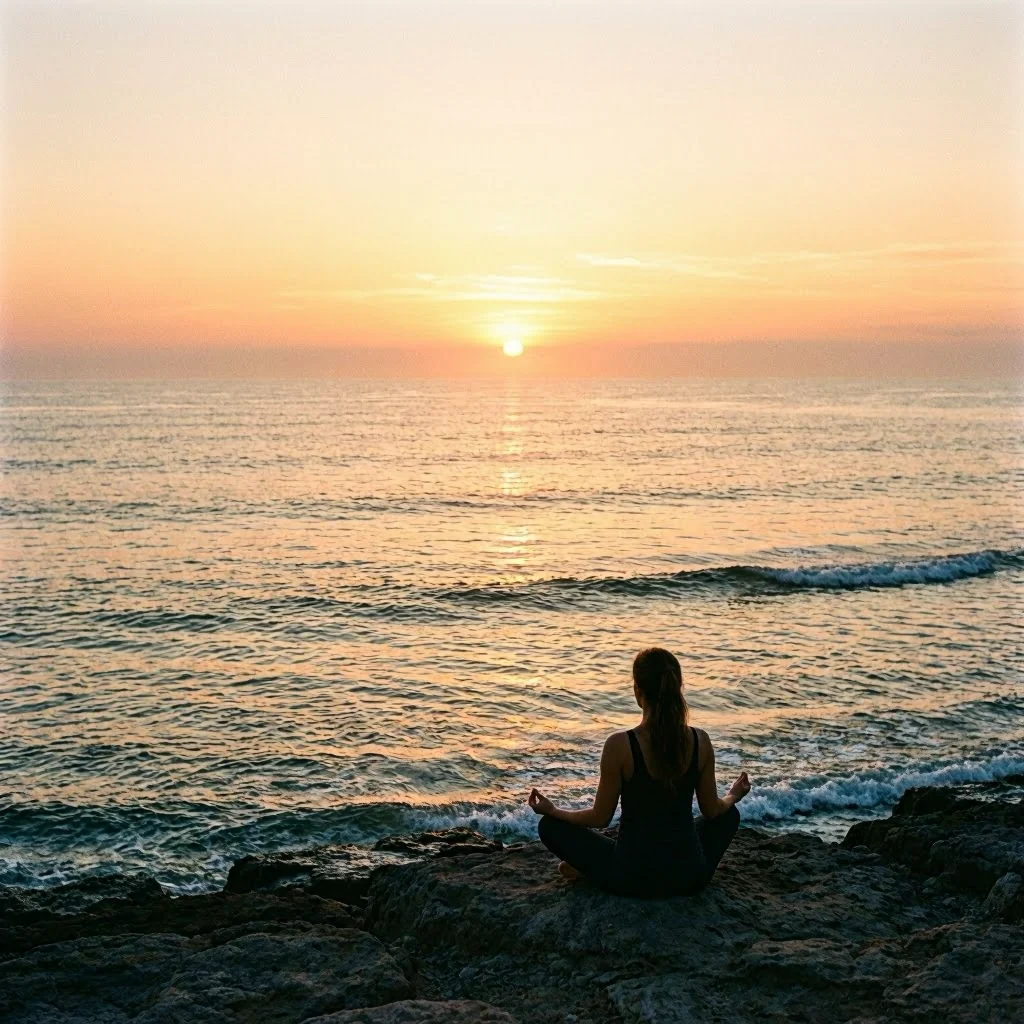
Sometimes I catch myself rushing through the day, barely noticing the moments slipping by. It wasn’t until I started paying attention—really paying attention—that I began to understand what mindfulness could offer me. It’s not about perfection or escaping life’s challenges but about gently meeting each moment as it is.
If you’re new here, you might find the Start Here page a helpful introduction to mindfulness and personal growth. I’m still learning, but here’s what helped me begin.
How I Learned to See Mindfulness as Simple Presence
Mindfulness, to me, means being present with whatever is happening without rushing to judge or fix it. I used to think I had to clear my mind or reach some calm state to “do it right.” What helped was noticing that mindfulness is more about kindness toward myself when my mind wanders or when life feels messy.
This shift made it easier to handle stress and difficult feelings with a bit more patience. It doesn’t erase problems, but it softens my reaction to them.
How I Started Small with Mindful Moments
I didn’t dive into long meditation sessions right away. Instead, I began with just two minutes a day—closing my eyes, focusing on my breath, and noticing the air moving in and out. When my mind wandered (which it often did), I gently brought my attention back without judgment.
This small step felt doable and slowly built a habit of pausing. You might try this too—just a couple of minutes to check in with your breath and set a simple intention for your day.
What I Noticed When I Slowed Down
Slowing down helped me see how much I was missing when I rushed. The present moment holds more than I realized—sounds, sensations, even small feelings that usually slip past unnoticed. Mindfulness helped me create space to respond thoughtfully instead of reacting on impulse, which improved how I relate to others and myself.
How I Use Reflection to Deepen Awareness
After a few minutes of mindful breathing, I sometimes jot down what I noticed—thoughts, feelings, or sensations. This simple reflection helps me track patterns and reminds me that it’s okay to have distractions or difficult emotions. It’s part of the process, not a failure.
How I Keep Mindfulness Practical and Real
I’m still figuring out what works best for me. Some days I’m more consistent; others, life pulls me away. But I’ve found that even brief mindful moments can bring a bit more calm and clarity. There’s no perfect way to do it, just a willingness to try again.
What I Wish I’d Known When I Started
Mindfulness isn’t about escaping stress or fixing everything overnight. It’s about meeting life as it comes, with a little more kindness and attention. If you’re curious, the Learning Library has more insights and practices that helped me along the way.
My Answers to Common Questions About Mindfulness
What exactly is mindfulness?
It’s paying attention to the present moment with openness and without judgment. I found it helpful to think of it as a gentle noticing rather than a goal to achieve.
How can I start practicing if I’m busy?
Start with just a minute or two focusing on your breath or senses. I learned that even short pauses can make a difference if you’re consistent.
Will mindfulness reduce my stress?
It helped me notice stress without getting overwhelmed, which made it easier to respond calmly. It’s not a cure, but it’s a useful tool.
Do I need any special equipment or training?
Nope. I practice mindfulness anywhere—waiting in line, sitting quietly, or even walking. It’s about the quality of attention, not the setting.
Here’s a Simple Practice You Might Try Today
Set a timer for two minutes. Find a quiet spot to sit comfortably. Close your eyes if you like, and focus on your breathing. Notice how it feels as the air moves in and out. When your mind drifts, gently bring it back to your breath. I found this small pause helped me reset during busy days.
If you want to explore more, the Meditation section offers guided practices that I’ve found useful, and the Emotional Healing pages connect well with mindfulness for handling difficult feelings.
Next: Read how I used mindfulness during moments of uncertainty in How Mindfulness Helped Me Face Uncertainty.
Try This Today
It also helps to separate purpose from achievement. A person can be useful, curious, kind, and engaged before reaching any major milestone. When purpose is tied only to accomplishments, it disappears whenever progress slows. When it is tied to how the day is lived, it remains available in much smaller moments.
FAQ
How do I begin if I feel overwhelmed?
Peace and purpose are easy to turn into grand ideas, but they are often built from very ordinary choices. Paying attention to what drains energy, what repeatedly matters, and what can be done today is more useful than waiting for a dramatic sense of certainty. Purpose can be something practiced in small decisions long before it feels like a final answer.
What if this does not work right away?
How often should I practice?
Short and steady is better than long and rare. A few minutes most days can become a quiet support you trust.
Purpose Became Simpler as I Got Older
At different times in my life, purpose meant escaping a difficult situation, building a career, learning something new, supporting a family, or starting a project. I used to think a meaningful life needed a large destination. I see it differently now.
These days, a good life feels surprisingly simple to me. Waking without fear matters. Having some control over how I spend my day matters. Being around people I care about matters. A walk, a useful conversation, a few pages of a book, or learning something I did not understand yesterday can be enough to make a day feel worthwhile.
You Do Not Need One Final Answer
We often ask, “What is my purpose?” as though there must be one correct sentence waiting to be discovered. My own life has changed too many times for me to believe that. The purpose that made sense in one country, one career, or one stage of life was not always the purpose I needed later.
I prefer a more practical question: what deserves my attention now? That question is small enough to answer. Maybe the answer is repairing a relationship, looking after your health, finishing a project, learning, helping somebody, or simply creating a calmer home.
Let Meaning Grow From What You Practice
A meaningful life is built from repeated days. If I say family matters but give all my attention to my phone, my practice contradicts my belief. If I say learning matters but never make time for it, the idea remains decorative.
Choose one thing you want your life to contain more of and give it a small piece of today. Purpose does not always arrive as revelation. Sometimes it is what becomes visible after we repeatedly spend our time on what we say matters.