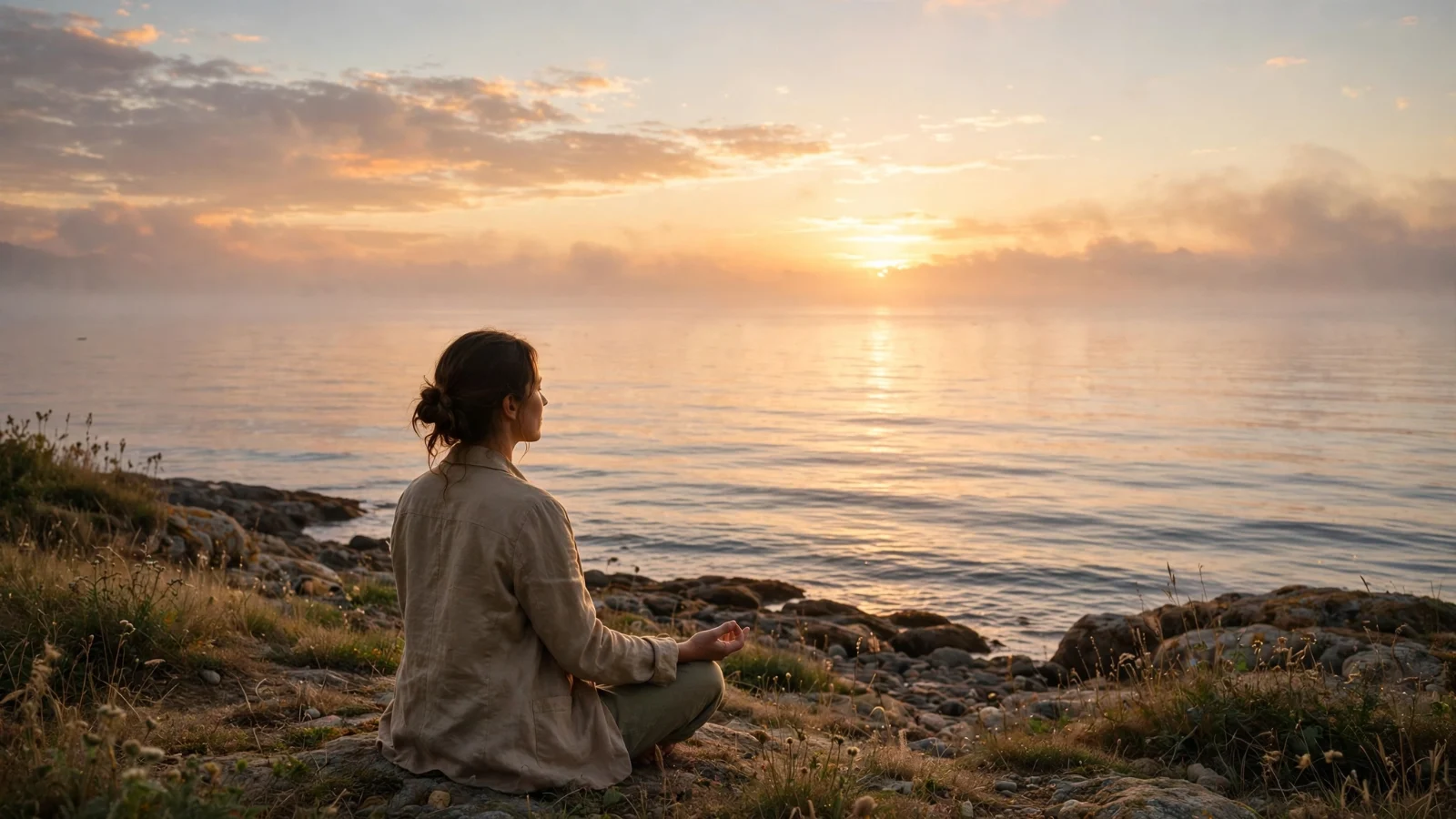
Mindfulness isn’t some mystical trick. It’s just a way to deal with stress and messy emotions without getting swept away. You’re paying attention to what’s happening right now — thoughts, feelings, the whole lot — without beating yourself up about it. That tiny pause is often the difference between reacting on autopilot and actually choosing how you respond.
Weaving Mindfulness Into Real Life
Think of mindfulness as watching your inner weather. Some days are stormy, some are clear. You don’t have to control it. You just notice. When you do that regularly, relationships get less reactive and your own head gets quieter. You’re not checking out of reality — you’re learning to show up for it with a steadier heart.
Small Shifts, Bigger Ripples
Peace usually starts small: with attention. A few minutes of breathing here, a moment of noticing there, and slowly you build more empathy. First for yourself, then for other people. If you’re just starting, don’t overthink it. Try a couple of slow breaths. Check in with how you’re feeling. See how you acted today. Tiny habits like that stack up. Change doesn’t have to be dramatic to be real.
What the Science Actually Says
Studies back this up: regular meditation can strengthen the parts of your brain tied to focus and emotional control. Your brain really can rewire itself with practice. It’s not magic, and it won’t fix everything. But as one tool in your kit, alongside sleep, movement, and good conversations, it helps take the edge off stress and sharpens your attention.
Try This: The Three-Point Mindful Pause
Next time you feel scattered or on edge, give this a shot. Takes about 60 seconds:
- Pause: Stop. Sit or stand comfortably. That’s it.
- Breathe: Take three slow breaths. Feel the air come in, feel it go out. No need to force it.
- Notice: Name three things around you. A sound, a color, a texture. Just notice them, no commentary.
That’s the whole thing. It’s like hitting a reset button so you can come back to the moment instead of spinning out in your head.
How I See It
I try to keep mindfulness simple and honest. No jargon, no promises it’ll solve your whole life. It’s a skill, and like any skill, it takes time and a bit of kindness toward yourself. This hub is just me sharing what’s helped me feel steadier, more resilient, and a little more at peace. Take what works, leave what doesn’t.
Explore Further
- Start Here – A down to earth guide for getting started.
- Meditation – Practical techniques, tips, and guided practices you can actually use.
Try This Today
Seriously, take one minute right now and do the Three-Point Mindful Pause. Notice if anything shifts, even slightly. Did your shoulders drop? Did your mind slow down half a step? These little moments add up. They’re how change actually happens.
FAQ
What is mindfulness?
It’s just paying attention to right now, with some kindness mixed in. You notice your thoughts and feelings without deciding they’re good or bad. That’s it.
How often should I meditate?
A few minutes daily beats an hour once a month. Consistency matters way more than length.
Can meditation reduce stress?
Yeah, it can. It helps you calm your nervous system and respond to tough stuff instead of just reacting. It’s not a cure all, but it’s a solid support.
Why This Matters
You probably don’t need another complex system in your life. What helps is something small and reliable you can come back to when things get loud. That’s what this practice is for. A kind, practical place for your mind to land.
When I’ve been in uncertain seasons, the first move was never big or flashy. It was quiet. I’d stop fighting the moment for a bit. Breathe. See what’s still workable. Then do one thing that points me in a better direction.
This isn’t about pretending things are fine. It’s about giving yourself a calmer ground to stand on while you deal with what’s real. From there, choices get clearer. Hard conversations get softer. Even rough days feel less like a battle with yourself.
A More Grounded Way to Practice
Don’t turn this into another thing to be perfect at. You’re not trying to win “most zen.” You’re just trying to be a little more honest, a little more patient, and a little more here for your own life.
You can do this while your coffee brews, before you hit send on that email, after a tough talk, or on a walk. Pause. Notice your breath. Unclench your jaw. Loosen your hands. Then ask: what does this moment actually need from me?
Sometimes it’s rest. Sometimes it’s courage. Maybe it’s an apology, a boundary, making that call, or just getting to bed earlier. The goal isn’t to escape daily life. It’s to meet it with your eyes open.
One Small Step Forward
Before you click away, pick one tiny step. Make it so doable you can’t talk yourself out of it. Drink some water. Step outside for 30 seconds. Write three sentences in a journal. Send the text. Close the laptop. Sit quietly for two minutes.
Small steps don’t look impressive on paper. But they build trust with yourself. Every time you keep a tiny promise, you’re teaching yourself that you know how to begin again.