Meditation
Sleep Meditation: Help the Body Feel Safe Enough to Rest
Sleep meditation is not about forcing yourself to sleep. It is about giving the body and mind a softer signal at the end of the day.
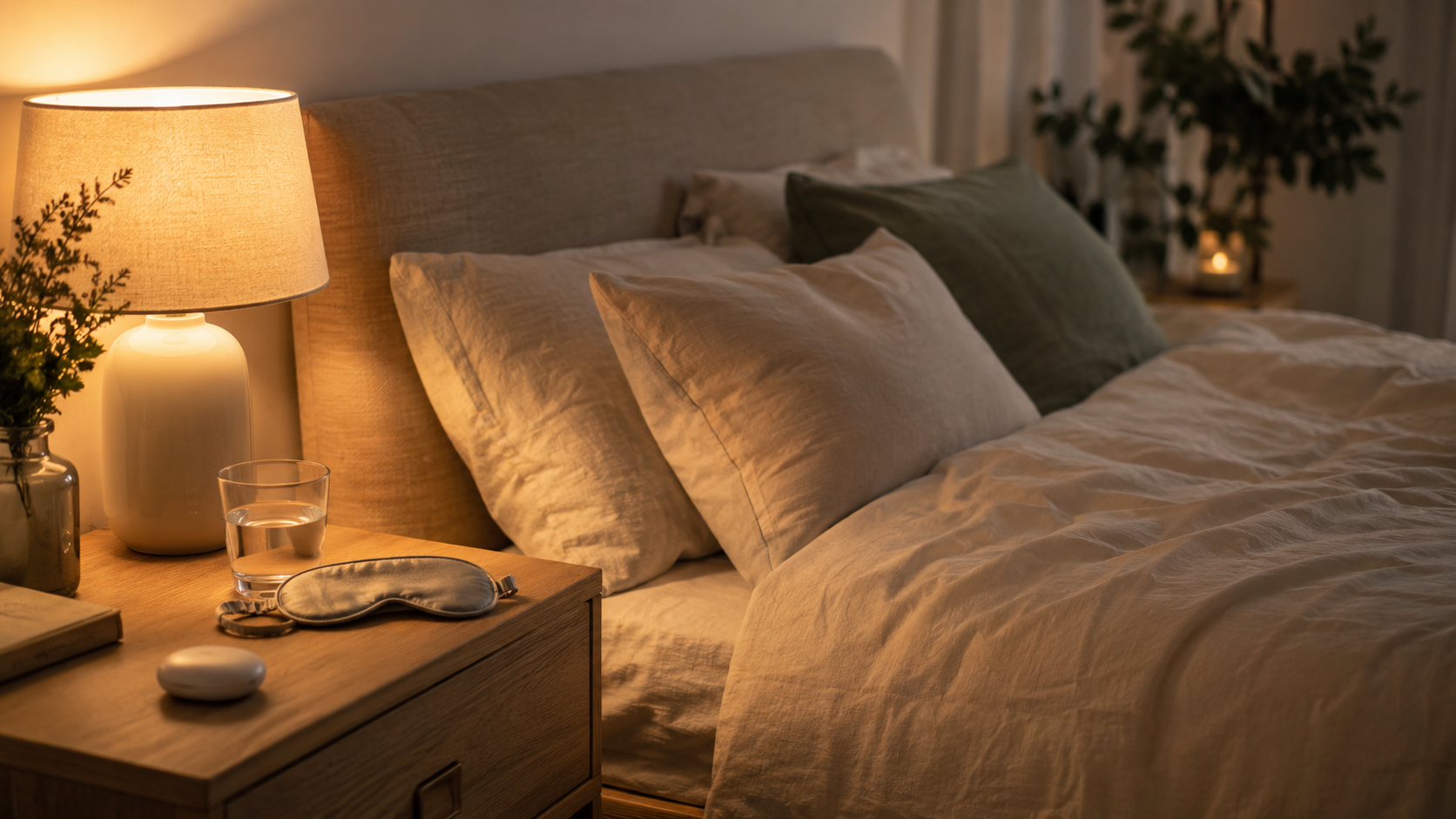
The Practice
- Dim the lights and put the phone away if possible.
- Lie down or sit comfortably.
- Take three slow breaths and let the exhale become longer.
- Relax the forehead, jaw, shoulders, hands, belly, and legs.
- Imagine a calm evening in Hawaii: warm air, soft waves, quiet sky.
- Silently repeat: “For now, I can rest.”
- If thoughts return, gently come back to the breath.
The practice works best when it becomes familiar. Use the same simple steps for several nights instead of changing techniques constantly.
Personal Experience
[STEFAN_STORY_PLACEHOLDER]
Common Mistakes
- Demanding immediate sleep: Rest is already useful, even before sleep arrives.
- Using the phone during the practice: Bright screens can wake the mind back up.
- Changing methods every night: Repetition helps the body recognize the routine.
Your 7-Day Practice
For seven nights, use this same sleep meditation. Keep notes simple: one sentence in the morning about how the night felt.
FAQ
Can sleep meditation cure insomnia?
No. It can support relaxation, but persistent insomnia should be discussed with a qualified professional.
What if I fall asleep before finishing?
That is fine. Sleep is allowed to come naturally.
Should I use music?
Soft music may help some people. Keep it gentle and avoid anything that keeps the mind too engaged.
Health note: This page offers relaxation and self-development guidance only. It does not replace medical care, mental health care, or professional sleep treatment.