We all see the world through our own unique lens. Our experiences, culture, and personal history shape how we understand others. These differences can enrich our lives when we approach them with curiosity, openness, and kindness instead of fear.
My Personal Journey with Cultural Diversity
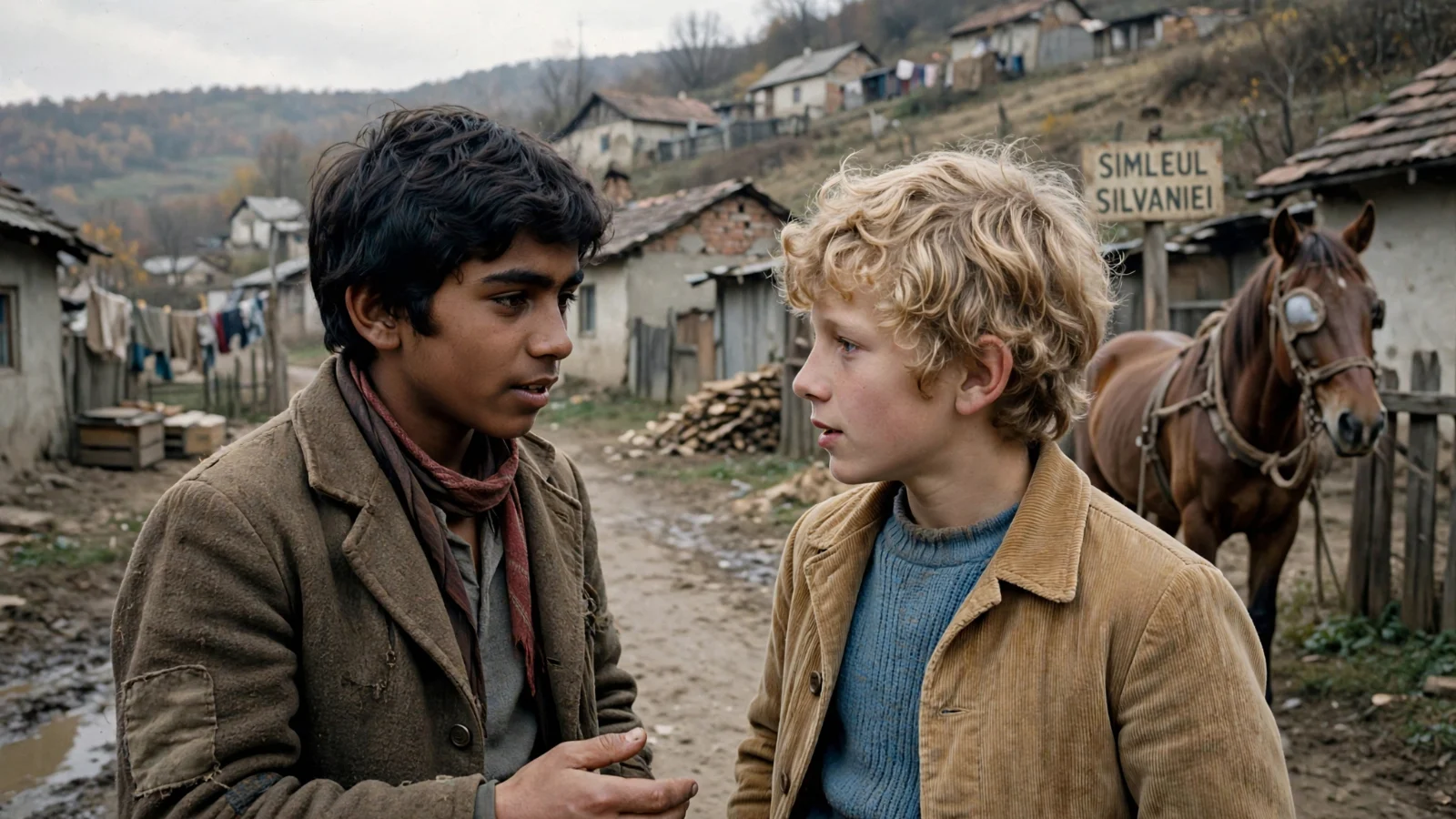
My first meaningful lesson about diversity began when I was young. One of my classmates was Feri, a Romani boy whom people in our town commonly called a “gypsy kid.” At that time, prejudice against Romani people was widespread. Many people kept their distance without trying to understand who they were.
My mother was different. She was a schoolteacher and did not share those prejudices. She taught me, mostly through her example, that a person should not be judged by ethnicity, family background, or the opinions of others. Because of her influence, I was not afraid to become friends with Feri or to be curious about his culture.
Feri began teaching me his language. At first, I learned simple words and expressions, but I soon became fascinated by it. Whenever I met Romani people, I would start a conversation and try to practice what I had learned. Most were surprised and pleased that someone outside their community wanted to speak in their language.
Those conversations helped me become more fluent. I also discovered that there was not just one uniform way of speaking. Different communities used different dialects, expressions, and pronunciations. Every conversation taught me something new—not only about language but also about people whose lives were often misunderstood by wider society.
Years later, after I moved to Hungary, this childhood interest led to an unexpected opportunity. I received a research position connected with the Hungarian Academy of Sciences. My work took me through parts of Eastern Europe, where I visited Romani communities and collected folklore, traditional songs, and folk tales.
I listened to people tell stories passed down through generations. I recorded songs and traditions preserved through memory rather than books. I then translated much of this material into Hungarian so it could be studied, understood, and preserved for a wider audience.
I do not share this story to boast. I see it as an example of what can happen when we are not afraid of people who seem different from us. A childhood friendship gave me a language. The language opened the door to a culture. That understanding became meaningful work and helped preserve voices and traditions that might otherwise have remained unheard.
I often think about how differently my life might have unfolded if my mother had taught me to fear or avoid Romani people. Instead, she taught me to see the individual before the label. That simple lesson stayed with me and became one of the most valuable gifts she gave me.
What Feri Taught Me
Feri taught me much more than vocabulary. He showed me that language can create trust between people from very different backgrounds. Even a few words spoken in another person’s language can say: I see you, I respect you, and I am willing to meet you halfway.
Once people realized I was genuinely interested in listening, many shared stories, jokes, songs, family memories, and parts of their culture that outsiders rarely saw. That experience taught me that diversity is not an abstract idea. It becomes real through personal contact.
It is easy to stay suspicious of a group when we only know the stereotypes attached to it. It becomes much harder to hold onto those stereotypes after we sit with someone, hear about their family, laugh together, and discover how much ordinary human life we share.
Practical Ways to Navigate Differences
Differences—whether cultural, political, religious, or personal—do not have to divide us. They can become opportunities to learn and grow. Here are some simple approaches I have found helpful:
- Practice Active Listening: Focus on understanding the other person instead of preparing your response.
- Be Curious Without Being Intrusive: Ask respectful questions and allow people to decide what they wish to share.
- Learn a Few Words: When appropriate, learning even a simple greeting in another person’s language can create warmth and trust.
- Question Generalizations: Do not assume one person represents an entire culture or community.
- Seek Common Ground: Look for shared values, concerns, hopes, or experiences.
- Separate Ideas from Identity: Disagree with an opinion without attacking the dignity of the person expressing it.
- Embrace Empathy: Try to understand how another person’s history and circumstances may have shaped their view.
- Agree to Disagree: Respectful connection is still possible when complete agreement is not.
- Use Respectful Language: Words can either strengthen old prejudices or help create a more welcoming conversation.
Reflection Exercise: Exploring Your Perspective
Think about a recent time you encountered someone with a different background or viewpoint. Ask yourself:
- What assumptions did I bring into the conversation? Were those assumptions based on personal experience or what I had heard from others?
- Did I listen to understand, or was I mainly waiting to respond?
- What could I learn from this person’s experience?
- What common ground could we find or create?
- How might the other person’s background have shaped their view?
Write down your thoughts without judging yourself. Most of us carry assumptions we did not consciously choose. Becoming aware of them is the first step toward seeing people more clearly.
Strength Through Diversity in Our Communities
Whether at school, work, or in social groups, diverse perspectives bring knowledge, creativity, and resilience. People who have lived different lives notice different problems and imagine different solutions.
Diversity also helps us discover parts of the world we might never encounter on our own. A friendship can introduce us to another language. A conversation can challenge a prejudice. A song, story, or tradition can reveal a history that was never included in our schoolbooks.
Embracing diversity does not mean pretending cultural differences never create misunderstandings. They sometimes do. It means approaching those misunderstandings with patience instead of immediately turning them into reasons for rejection.
Moving Forward with Mindful Connection
Our differences invite us to grow. Choosing curiosity over judgment helps create spaces where people feel respected and connected. We do not have to become experts in every culture. We simply need the humility to admit that our way of seeing the world is not the only one.
Sometimes the most important step is starting a conversation with someone we might otherwise have avoided.
To support this journey, explore mindfulness and meditation basics. Mindfulness can help us notice our automatic reactions before they become words or actions. That pause gives us a chance to choose curiosity, empathy, and respect.
FAQ
Why is embracing diversity important?
It helps us understand others more accurately, question stereotypes, and build stronger, more creative communities. It can also open doors to friendships, knowledge, and experiences we might never discover by staying only among people similar to us.
How can I connect respectfully with another culture?
Begin by listening. Ask thoughtful questions, avoid assumptions, and remember every individual has a unique experience. Learning about another culture should come from genuine interest, not treating someone as a curiosity.
Can learning another person’s language make a difference?
Yes. Even a few words can show respect and create a more personal connection. Language helped me form friendships, understand Romani communities more deeply, and participate in preserving their folklore and traditions.
What if I notice prejudice in myself?
Don’t deny it or become defensive. Ask where the belief came from and whether it is supported by your own experience. Then look for chances to meet, listen to, and learn from people you may have misunderstood.
What if I disagree strongly with someone?
You can disagree while still respecting the person’s dignity. Listen carefully, speak honestly, and avoid reducing someone’s identity to one belief or opinion.
Try This Today
Start one respectful conversation with someone whose background or experience differs from yours. You don’t need to ask anything complicated. Listen carefully, look for something you share, and stay open to learning one new thing. A small conversation may seem unimportant, but in my life, a conversation with a classmate became the start of a lifelong interest, friendships, a new language, and unexpected work.
Why Embracing Diversity Matters
When we open ourselves to different cultures and perspectives, we enrich our own understanding of the world. Diversity invites us to question our assumptions and expand our empathy. It’s not about erasing differences but about appreciating them as part of the human experience.
Building Bridges Through Curiosity
Curiosity is a gentle way to approach diversity. Asking questions, listening deeply, and showing genuine interest can create meaningful connections. These bridges help us move beyond stereotypes and fear.
Try This Today: A Simple Practice to Connect Mindfully
Next time you meet someone from a different background, try asking about a tradition or story that’s important to them. Listen without planning a response or judgment. Notice what you learn and how it feels to share that space.
This small act of mindful curiosity can open doors to deeper understanding and connection.
Common Mistakes When Approaching Diversity
- Assuming you already understand: Every person’s experience is unique. Avoid generalizations based on group identity.
- Approaching with fear or defensiveness: These feelings can block genuine connection. Try to notice them and gently set them aside.
- Forgetting to listen: Listening is more than hearing words. It’s about being present and open to what’s shared.
Frequently Asked Questions
How can I stay open to diversity if I feel uncomfortable?
Feeling discomfort is natural when encountering something unfamiliar. Try to acknowledge your feelings without judgment and remind yourself that curiosity can be a helpful guide. Taking small steps and focusing on listening can ease the process.
What if I make mistakes when learning about other cultures?
Mistakes are part of learning. What matters is your intention to be respectful and open. If you realize you’ve made a misstep, a sincere apology and willingness to learn can go a long way.
How does embracing diversity relate to mindful living?
Mindful living encourages us to be present and aware in each moment. Embracing diversity fits naturally with this because it invites us to notice differences without judgment and to connect with others authentically.
Continue Your Journey
If you’re interested in exploring how mindful connection can support your daily life, consider learning more about meditation for real life. It’s a practical way to cultivate presence and openness.
Also, you might find value in reading about manifestation without magical thinking, which offers grounded approaches to creating meaningful change.
And for nurturing gratitude in everyday moments, check out gratitude practice for real life.
If you’re ready to take a gentle step toward mindful connection, start here to explore simple, practical ways to bring these ideas into your life.