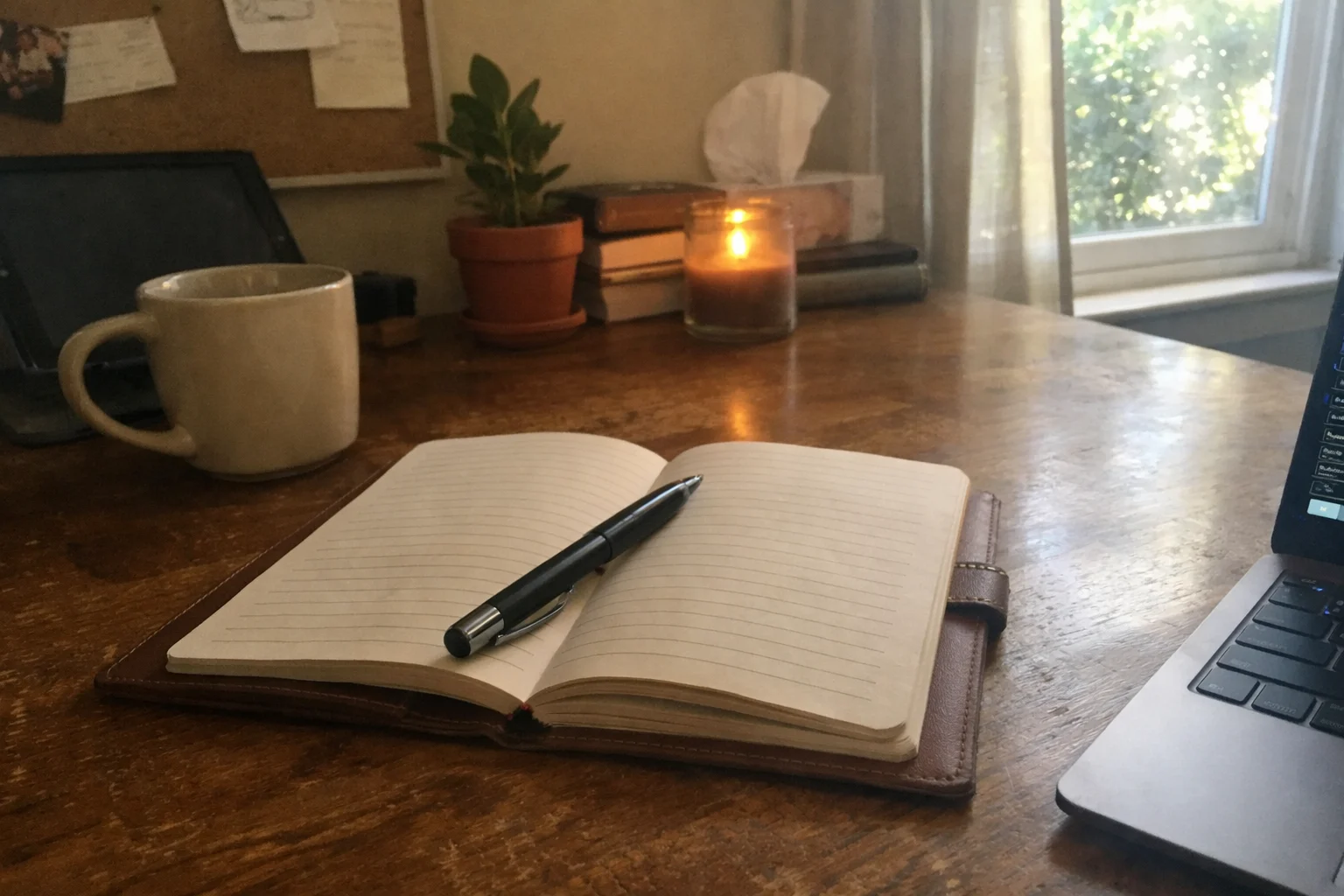
For a long time, I avoided journaling. I thought my memory was enough. Like many, I found the idea of writing down my thoughts tedious. Beautiful notebooks sat unused on my shelf. Then I tried a simple, no-pressure way to journal. That’s when I saw how it could help me find mental clarity and emotional balance.
Why Journaling Matters: More Than Just Writing
Journaling isn’t about perfect sentences or replaying the past. It’s a mindful way to sort out thoughts, understand feelings, and bring order to your inner world. Studies show that even a few minutes of daily writing can lower stress and improve problem-solving. The secret is to be consistent and kind to yourself—not to aim for perfection.
Simple Techniques to Get Started
- Brain Dump: Set a timer for 5–10 minutes and write whatever comes to mind without judging or editing. This helps clear mental clutter and creates calm.
- Gratitude Lists: Write down three small things you appreciate each day, even when things feel hard. This builds a positive outlook.
- Reflective Questions: Use prompts like “What did I learn today?” or “What’s on my mind right now?” to gently explore your thoughts.
Practical Exercise: Your Evening Reflection
Before bed, spend 3–5 minutes writing about:
- One thing you’re grateful for today.
- One feeling or thought you want to notice.
- One small intention for tomorrow.
This simple habit can help you sleep better and grow in self-awareness over time.
My Approach: Keeping Journaling Simple and Sustainable
At first, I dreaded writing. Now, I keep it short and flexible. I jot down bullet points, usually before sleep, without worrying about grammar or style. The goal is to be present, not perfect. I pair journaling with a daily habit, like brushing my teeth. This makes it feel natural, not forced.
Handling Missed Days with Kindness
It’s normal to skip days. Journaling is a helpful tool, not a test. When I miss a day, I remind myself that coming back is an act of kindness. Treating yourself like a friend can make journaling more rewarding and gentle.
Using Your Journal Insights Mindfully
Your journal can become a map of your inner life. By looking back now and then, you can spot patterns, see progress, and understand challenges better. You don’t need to read every word—just notice recurring themes or moments of growth. This can guide small changes in how you handle stress or decisions.
Journaling as a Foundation for Mindful Practice
Journaling supports other mindfulness habits by helping you clear your mind and process emotions. Writing regularly shows up for yourself and builds self-trust. Over time, this steady presence can help you face life’s ups and downs with more calm and balance.
Internal Resources to Support Your Practice
Explore our Start Here section to begin your mindful journey. You can also visit Meditation for practices that pair well with journaling.
FAQ
How often should I journal?
Even a few minutes daily can help. Find a rhythm that feels easy and sustainable for you.
What if I don’t know what to write?
Try simple prompts like “What am I feeling?” or “What am I grateful for?” to get started.
Do I need special tools?
No. A simple notebook or digital app works fine. The key is to keep it comfortable and accessible.
Try This Today
Set a timer for 5 minutes right now. Write down whatever comes to mind without stopping or judging. See how it feels to clear your thoughts this way. You can build from there, one small step at a time.
Why This Matters
A More Grounded Way to Practice
One Small Step Forward
Writing Became a Way to Catch My Own Patterns
I did not begin writing because I wanted a perfect journal full of profound observations. I found it useful because some reactions move too quickly in my head. On paper, they slow down.
This became especially important when I started looking more carefully at anger. It is easy to remember an argument as a simple story in which the other person caused everything. Writing forces more uncomfortable questions. What was said? What did I assume? When did I become tense? What did I do next? Was I trying to solve the problem, or was I trying to win?
You Do Not Need to Write Every Day
I do not think journaling needs another streak, app, or rule. I use writing when something is circling in my mind, when I am confused about a decision, or when I keep repeating the same reaction. A page can be useful even if nobody ever reads it again.
One simple format is enough: What happened? What did I feel? What story did I tell myself about it? What would I like to do differently? Those questions separate the event from my interpretation of it.
Write for Clarity, Not Performance
Do not worry about style. Nobody is grading the sentences. Write the version you would be embarrassed to publish if that is the honest version. You can always delete it later.
The value is in seeing your own thinking outside your head. Sometimes the problem becomes smaller. Sometimes I discover that I am angry about something different from what I first thought. And sometimes the page tells me that the next useful action is simply to apologize, make a decision, or stop replaying the same conversation.