Sometimes I notice my mind racing or my body holding tension, and I want a way to pause without needing anything fancy. Guided visualization has been one of those gentle tools that helped me slow down and find a quiet space inside. It’s not about forcing calm but inviting it in, step by step.
If you’re curious, here’s what helped me when I started exploring this kind of mindful journey.
How I Begin My Mindful Visualization Practice
I usually start by settling into a comfortable seated position. Closing my eyes feels natural, but if it doesn’t for you, softening your gaze works too. I take a few deep breaths, inhaling gently through my nose and exhaling slowly through my mouth. With each breath, I try to notice any tension and imagine it softening, even if just a little.
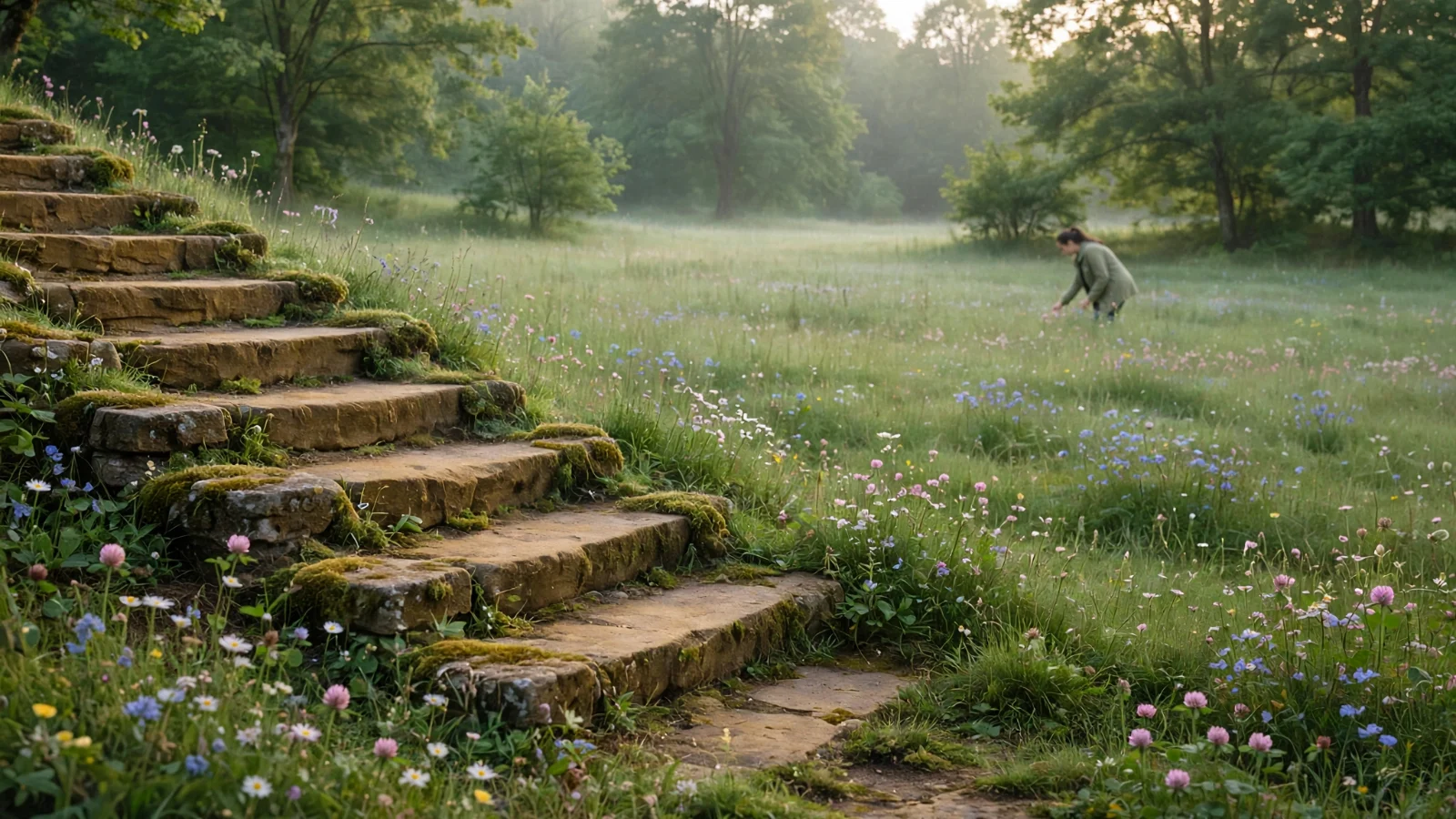
Then, I picture a warm, golden staircase unfolding before me. It sounds a bit fanciful, but imagining each step as a moment to relax deeper helps me focus. I feel the warmth beneath my feet and let that feeling ground me. Around me, I imagine colors—like a tapestry—that represent different parts of my life. They’re vibrant but calm, not overwhelming.
What I Notice When I Engage My Senses
Bringing in my senses makes the visualization feel more real. I try to notice textures, sounds, and even scents. For example, I imagine the softness of moss underfoot or the scent of fresh coffee drifting through the air. Sometimes I hear a gentle melody, which I let resonate with whatever intention I have for the day. This sensory detail helps me stay present instead of my mind wandering off.
You might find it helpful to adjust these details to what feels right for you. I’ve learned that the images don’t have to be perfect or fixed. They can change depending on my mood or what I need.
Why I Keep Coming Back to Visualization
From my experience, visualization isn’t about expecting immediate results or some kind of magic. It’s more about creating a clear space inside where I can breathe and let go of stress. This clearer space helps me face daily challenges with a bit more ease and less reactivity.
When I first tried this, I didn’t always feel calm right away. Sometimes my mind was too busy or distracted. But over time, with gentle practice, I noticed a subtle shift. That small pause helped me reset and approach the day with more clarity.
How I Practice Visualization in Small Steps
One thing that worked for me was starting with just five minutes. I’d focus on my breath, the warmth beneath my feet, and the gentle melody I imagined. Even in those brief moments, I could feel a little more grounded. If it felt right, I’d extend the time or add more details.
You might try this too—just a few minutes to begin. There’s no need to force anything or judge how well it’s going. I’m still learning how to be patient with myself in this process.
Questions I Had When I Started
How long should I practice this visualization?
I found starting with five to ten minutes daily was manageable. Over time, I adjusted the length based on what felt good.
Can I change the images in the visualization?
Absolutely. Making the images personal and meaningful helped me connect better. The goal is to create a calming mental space that suits you.
Do I need any special skills?
No special skills are needed. Just a quiet space and a willingness to focus your mind gently.
If you want to explore more, the Start Here guide and the Learning Library offer other meditation practices that might deepen your journey.
Next: Read how I used visualization to ease stress during a challenging week.
Try This Today
FAQ
How do I begin if I feel overwhelmed?
What if this does not work right away?
How often should I practice?
Short and steady is better than long and rare. A few minutes most days can become a quiet support you trust.
Visualization Worked Best When It Changed What I Did
Years ago, when money was tight, I learned to sew pants and jackets and sell them at a flea market. I sometimes visualized arriving with bags of clothing and returning with the bags empty and money in my pocket.
I cannot prove that the picture in my mind caused anything outside me. What I can say is that it affected how I approached the work. A clear picture of the result made me more willing to prepare, make more items, show up, speak to customers, and keep trying. The visualization was useful when it led to action.
Picture the Process, Not Only the Reward
It is tempting to imagine only the ending: the successful conversation, the finished project, the money, the trip, the calm feeling. I now think it is just as important to picture the steps that lead there. If I want to finish something difficult, I can imagine myself sitting down, opening the file, working through the awkward first minutes, and continuing even when I do not feel inspired.
This makes visualization less like wishing and more like rehearsal.
Keep Reality in the Room
I still enjoy visualization, but I try not to use it as a substitute for evidence or action. If a situation requires a phone call, paperwork, practice, or an uncomfortable conversation, no mental picture can do that work for me.
A useful question is: after I visualize the outcome, what is the next thing my hands and feet actually need to do? That question keeps the practice grounded.