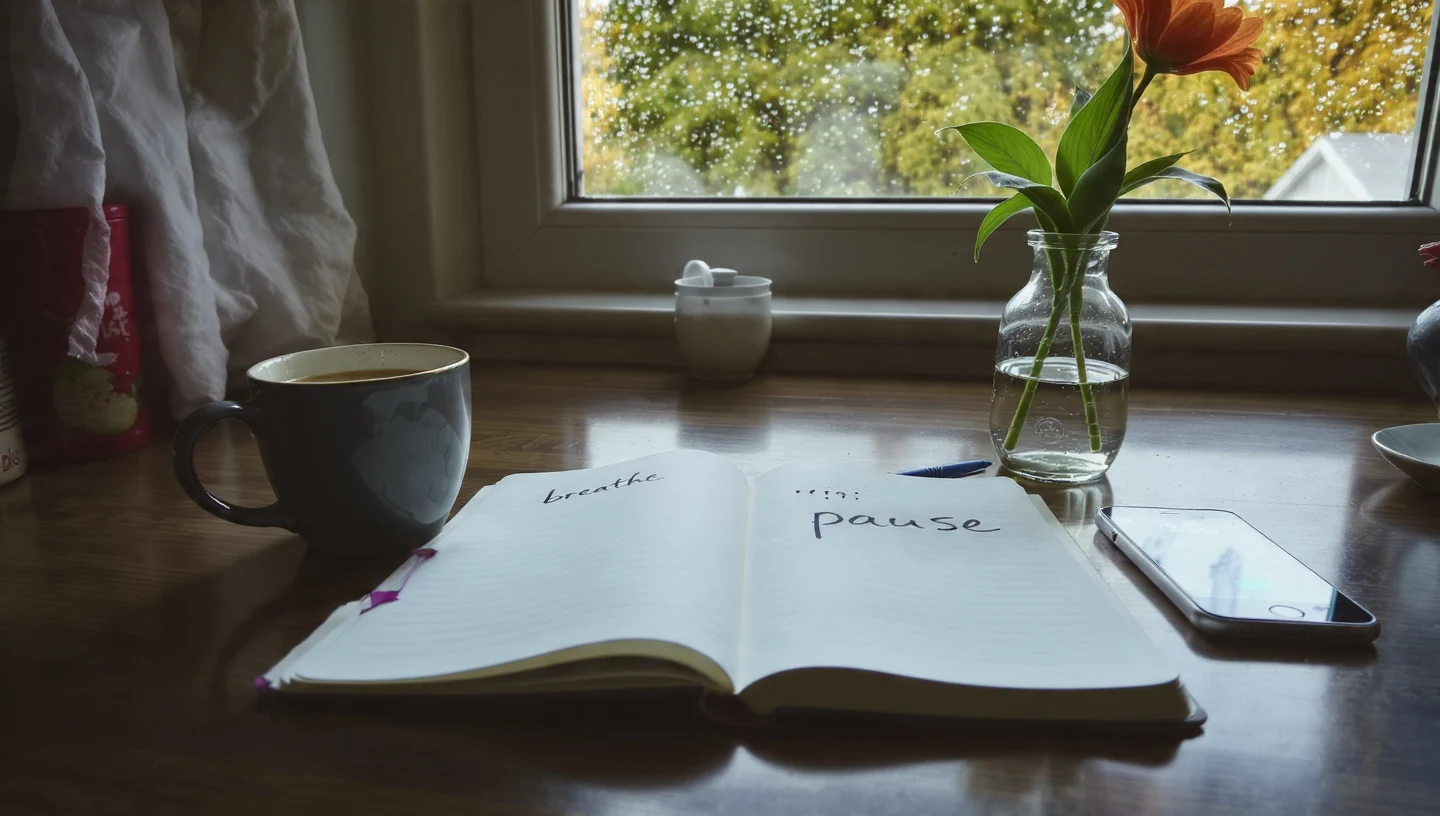
Some days, I catch myself rushing through tasks, feeling like time is slipping away faster than I can keep up. I realized that this sense of being rushed often comes from how I react inside, not just from the schedule outside. Noticing my inner dialogue—those quick judgments and worries—became a helpful first step toward making my days feel less frantic.
How I Started Noticing My Thoughts Without Getting Pulled In
At first, I found it hard not to get caught up in negative thoughts like "This day is ruined" or "I’ll never finish." What helped me was simply pausing to watch these thoughts as if they were clouds passing by, not facts or commands. This shift didn’t happen overnight, and I still have to remind myself, but it made a difference in how I experienced the day.
How I Use Breathing to Find Calm in Busy Moments
When life throws challenges my way—traffic jams, tense conversations, or unexpected delays—I try to take a moment to breathe deeply. I noticed that focusing on my breath creates a little space between what’s happening and how I respond. This space helps me feel calmer and more in control, even if the situation itself hasn’t changed.
How I Learned to Observe My Reactions Instead of Being Swept Away
It’s tempting to react immediately to things like criticism or stress, but I found it useful to watch my feelings and thoughts as they arise without rushing to judge them. For example, when I receive unexpected feedback, I try to notice my initial reaction and remind myself it’s temporary. This awareness helps me choose a steadier response rather than getting overwhelmed.
How I Created ‘Inner Space’ to Feel Less Overwhelmed
I call it "Inner Space"—a calm mental place where I’m not tangled in a flood of thoughts. One way I cultivate this is by paying attention to simple sensory details, like the rhythm of my steps or the sounds around me. This practice grounds me in the present and brings a quiet clarity, even when the day feels hectic.
How I Learned to Accept Moments as They Are
Life doesn’t always go as planned, and I used to get frustrated by unexpected hiccups. Now, I try to remind myself that every moment is temporary. If I get caught in the rain without an umbrella, I might choose to notice the cool droplets instead of resisting. This openness helps me feel less stuck and more peaceful.
How I Found Joy in Small, Everyday Moments
Joy isn’t only in big events. I’ve learned to appreciate simple things—a warm cup of coffee, a friendly smile, or the colors of a flower. Taking time to really savor these moments helps me feel grateful and adds a little brightness to my day.
How I Reflect to Keep Positivity Flowing
At the end of the day, I spend a few minutes thinking about moments of kindness, calm, or gratitude. This reflection helps me notice the positive threads woven through the day and supports a mindset that feels more abundant and peaceful.
What Helped Me: The 3-Minute Mindful Pause
When I feel overwhelmed or caught in negative thoughts, I try a simple exercise that takes just a few minutes:
- Find a comfortable seat and close your eyes if you like.
- Take three slow, deep breaths, paying attention to the air moving in and out.
- Shift your focus to the sounds, smells, or sensations around you without labeling or judging.
- Notice any thoughts or feelings gently, then bring your attention back to your breath.
This short pause helps me regain calm and presence, making it easier to face the rest of the day.
Some Questions I Had When Starting This Practice
How can I notice my inner dialogue without getting caught up in it?
I try to watch my thoughts like clouds passing by—acknowledging them without judgment and letting them go.
What if I find it hard to focus on my breath?
That’s normal. I gently bring my attention back each time my mind wanders, practicing kindness toward myself.
How often should I do the 3-minute mindful pause?
Whenever I feel stressed or distracted, even a few times a day can help build calm and presence.
What I Invite You to Try Today
If it feels right, take a moment now to try the 3-minute mindful pause. Sit comfortably, breathe deeply, and notice your surroundings without judgment. See if it shifts your mood or clarity even a little.
For more gentle guidance, you might explore the Start Here page, which offers simple mindfulness steps to add to your daily routine.
Creating a mindful day, I’ve found, isn’t about avoiding difficulties but about how I respond to them.
Common Mistakes I Made When Beginning Mindfulness
- Expecting quick results. Mindfulness is a skill that grows slowly with gentle, steady practice.
- Judging my thoughts harshly. I remind myself that thoughts are just thoughts—not facts or commands.
- Trying to eliminate all distractions. Instead, I notice distractions and gently bring my attention back.
More Questions I Asked Myself
How long should I practice mindfulness each day?
Even a few minutes daily helped me build a habit that feels sustainable.
What if I get frustrated during practice?
Frustration is part of the process. I try to notice it without judgment and return my focus gently.
Can mindfulness help with stress?
I found that mindfulness lets me notice stress without being overwhelmed, which over time supports calmer responses.
Where I Went Next
If you want to deepen your practice, you might find Meditation for Real Life and Gratitude Practice for Real Life helpful. These guides offer practical ways to bring mindfulness and appreciation into everyday moments.
For ongoing inspiration, the Happy Life guides share gentle approaches to nurturing well-being.
Ready to begin or deepen your mindfulness journey? You might start with Start Here for simple steps and support tailored to real life.
Next: Read how I used this during a stressful travel day in Mindfulness on the Go.
Try This Today
It can also help to decide what does not need to happen today. A rushed life is sometimes produced by treating every possible task as equally urgent. Choosing one or two things to leave undone on purpose can create more calm than trying to perform the entire list at higher speed.
FAQ
How do I begin if I feel overwhelmed?
A day can feel rushed even when nothing unusually dramatic is happening. The pressure often comes from carrying the next task into the current one. One practical experiment is to give transitions a few seconds: finish the email before opening another tab, pause after a phone call, or notice the walk between two places. Small separations can make the day feel less like one continuous emergency.
What if this does not work right away?
How often should I practice?
Short and steady is better than long and rare. A few minutes most days can become a quiet support you trust.