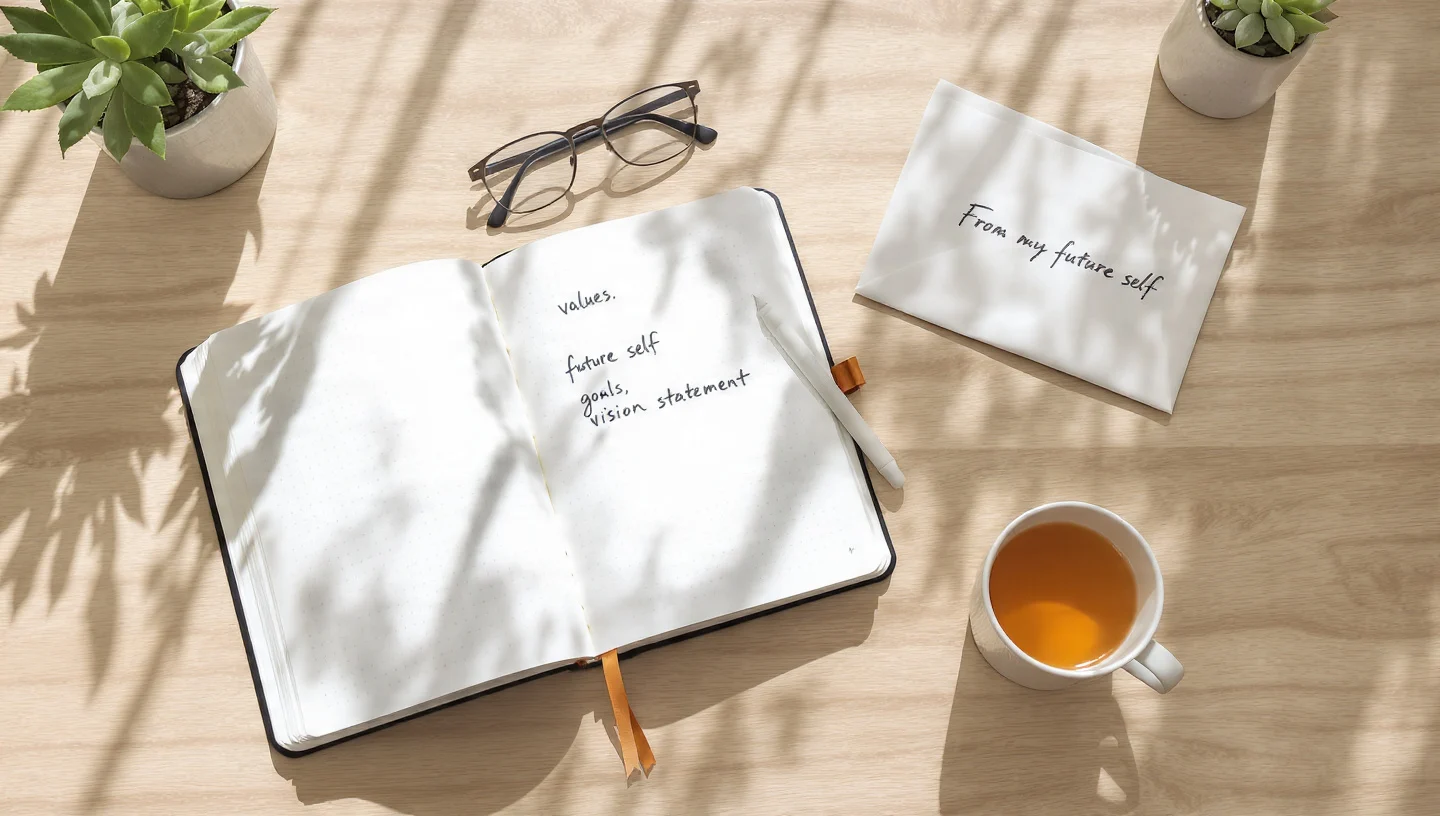
Sometimes I find myself overwhelmed by the idea of planning a meaningful life. The word "vision" can feel heavy, like a demand for perfect clarity I don’t have. Over time, I realized that crafting a personal vision doesn’t have to be rigid or intimidating. It’s more about gently tuning into what matters most to me right now and letting that guide my next steps.
If you’re curious, here’s what helped me approach this process with less pressure and more kindness.
How I Learned to Start by Reflecting Honestly on My Present
Before imagining the future, I found it useful to pause and look at where I am now. I ask myself questions like: What moments recently brought me genuine happiness? When did I feel fully absorbed in what I was doing? What values feel important enough to shape my choices?
Writing down these answers helped me notice patterns I might have missed otherwise. For example, I realized that freedom and exploration kept showing up as themes, even if I hadn’t fully acknowledged them. You might try spending 10 minutes jotting down your own reflections and see what surfaces.
What I Found Helpful About Visualizing My Future Self with Compassion
Imagining where I want to be in 5 or 10 years felt less daunting when I softened my expectations. Instead of fixed goals, I pictured possibilities—scenes of daily life, relationships, and activities that felt meaningful. I once wrote a letter from my future self to my present self, offering encouragement and gentle reminders. That exercise helped me feel less stuck and more open to unexpected paths.
How Breaking My Vision into Small Goals Made It More Manageable
Turning a broad vision into concrete but flexible goals was a step I had to learn. I started with short-term goals like deepening a relationship or trying a mindfulness practice. Long-term goals became invitations rather than deadlines—like exploring new places or pursuing creative projects.
Boxing taught me discipline and resilience, and I noticed that goals often do more than just mark progress; they shape character and patience. You might find it helpful to think of goals as stepping stones rather than final destinations.
How I Put My Vision Into Words That Feel Real and Flexible
Summarizing my vision in a sentence or two helped me keep it alive without feeling boxed in. Mine changed over time—from following family traditions to embracing a life rich with travel and growth. An example I use is: “I thrive in environments that inspire curiosity and prioritize meaningful experiences over routine.”
Keeping this statement flexible allowed me to adjust as life unfolded, which felt more honest and less stressful.
Why I Revisit My Vision and Goals Regularly
Life rarely follows a straight path, and I found it important to revisit my vision every 6 to 12 months. I ask myself: Do these goals still feel right? What new desires or insights have come up? I once left teaching to explore new opportunities and eventually found peace in a tropical environment. Being open to change helped my vision evolve naturally.
What I Gained from Mindful Vision Journaling
I tried setting aside 10 minutes daily for a week to journal about what brings me joy and where I feel called to grow. Noticing shifts in my feelings over time helped me stay connected to my intentions without pressure. This simple practice nurtured clarity and grounded my vision in everyday life.
What I Remember When I Think About Crafting a Personal Vision
Creating a personal vision isn’t about guarantees or perfect outcomes. It’s an ongoing, mindful process of exploring values, setting intentions, and staying open to life’s surprises. I celebrate small wins and try to stay curious, knowing my journey is uniquely mine.
If you want to explore this further, our Start Here page offers resources to build a foundation in mindfulness and personal growth.
FAQ: What I Often Wondered About Personal Vision
- Why is a personal vision important? It helped me clarify what matters most and guide my choices with intention.
- How often should I revisit my vision? Every 6 to 12 months felt like a good rhythm to reflect and adjust as life changes.
- What if my goals change? That’s normal. Flexibility keeps your vision aligned with your current self.
- Can I have more than one vision? Yes. Different life areas might call for their own visions, as long as they feel authentic and manageable.
Try This Today: A Letter from Your Future Self
Take 10 minutes now to write a letter from your future self to your present self. Offer encouragement and imagine what you hope to experience. Keep it somewhere you can revisit when you need inspiration.
Why a Personal Vision Matters to Me
For me, a personal vision is like carrying a compass that points toward what feels meaningful. It doesn’t have to be perfect or set in stone. Instead, it offers gentle guidance when life feels busy or confusing.
Try This Today: A Simple Vision Exercise
Find a quiet moment and ask yourself: What brings me joy? What values do I want to live by? Write down your answers without judgment. Then imagine your life a year from now. What small changes would make you feel more aligned with those values? It might be as simple as spending more time in nature or connecting with a friend.
Common Mistakes I’ve Seen When Crafting a Vision
- Being too rigid: A vision isn’t a contract. Life changes, and so can your vision.
- Ignoring your current reality: Grounding your vision in where you are now makes it more honest and useful.
- Overcomplicating the process: Sometimes simple reflections and intentions are the most powerful.
Want to Learn More?
If you’re interested in weaving mindfulness into your daily life, check out Meditation for Real Life. For a grounded approach to setting intentions without magical thinking, see Manifestation Without Magical Thinking. And for a broader collection of practical advice, explore our Happy Life guides.
Ready to begin your journey? Visit our Start Here page to find thoughtful resources that meet you where you are.
Next: Read how I used this during my 8-Day Journey to Transcend the Ego.
FAQ
How do I begin if I feel overwhelmed?
A useful personal vision does not have to predict the future. It can describe the kind of life worth practicing now: what deserves more time, what deserves less, which relationships matter, and what kind of person you want to be when circumstances are inconvenient. A direction can guide decisions even when the final destination is still unclear.
What if this does not work right away?
How often should I practice?
Short and steady is better than long and rare. A few minutes most days can become a quiet support you trust.