What does it mean to be a 'Typical American' in the late 19th century? This Thanksgiving sermon combines history, statistics, and moral reflection to explore America’s identity, its blessings, and the challenges of immigration and unity.
Explore how Abraham Lincoln’s early struggles with poverty, failed businesses, and legal battles shaped a man whose honesty and fairness became legendary in both law and politics.
Follow Egerton Ryerson’s journey from humble Methodist preacher to pioneering educator and historian, as he navigates religious controversies, Indigenous missions, political upheaval, and the founding of Ontario’s public school system.
Dan Harris’s on-air panic attack wasn’t just a career crisis—it was the start of a practical journey into meditation. This book cuts through the usual fluff, showing how mindfulness can make your noisy brain about 10% happier. It’s honest, skeptical, and refreshingly down-to-earth—no spiritual mumbo jumbo, just real talk about stress and focus.
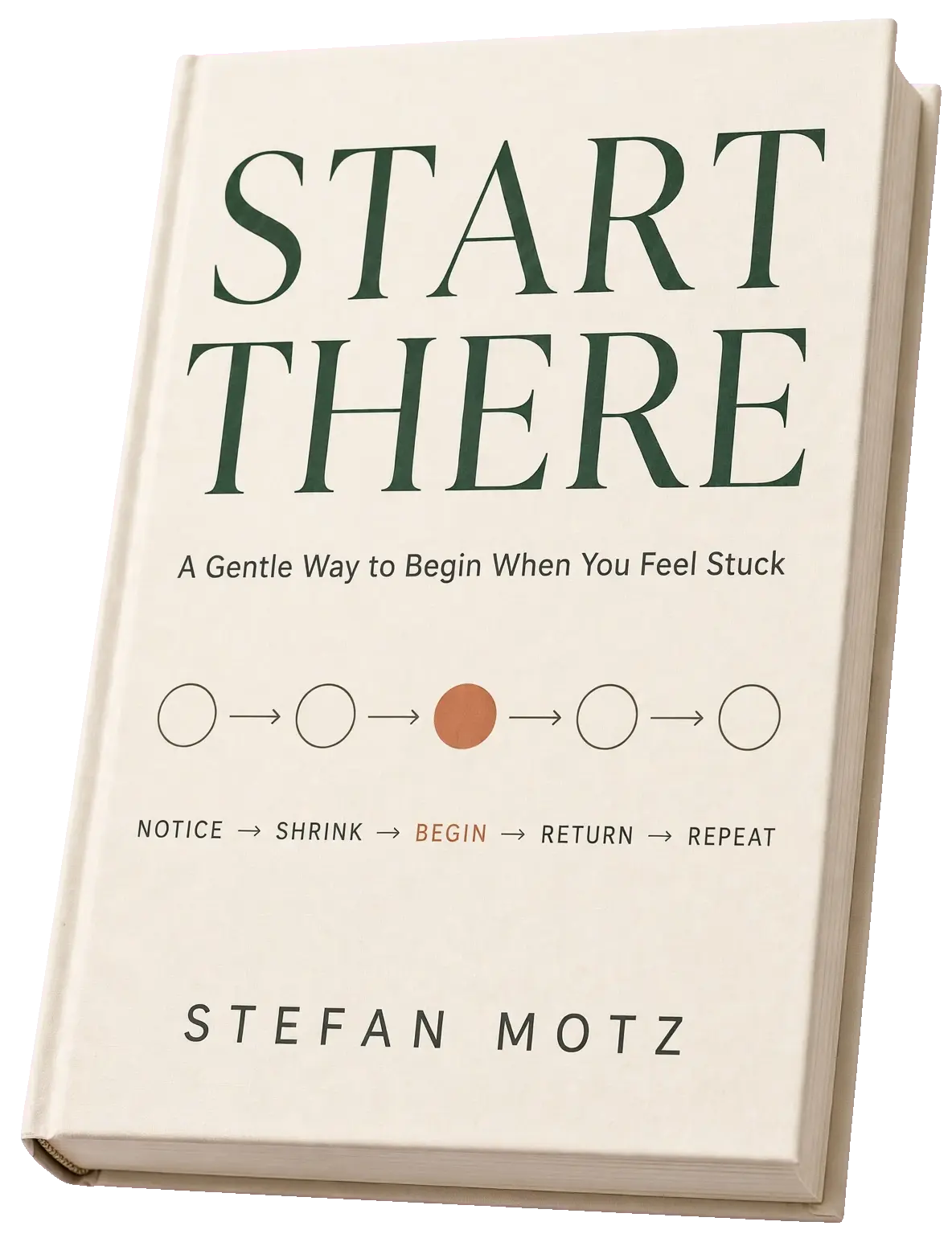
A practical self-development book for the days when motivation and perfect conditions do not show up. Its revised five-move method helps readers notice resistance, shrink the next useful action, begin, return without punishment, and repeat what proves useful—while recognizing when a problem needs more than a small step.
Brianna Wiest’s "101 Essays That Will Change the Way You Think" cuts through the usual self-help fluff with honest, no-nonsense reflections on purpose, negativity, and mental habits. It’s less about quick fixes and more about steady, often uncomfortable growth. Ready to rethink how you handle your own brain’s noise?
Jordan Peterson’s "12 Rules for Life" cuts through the noise of modern chaos with straightforward, sometimes uncomfortable advice. It challenges you to take responsibility, embrace order, and build meaning brick by brick. Ready to stop blaming the world and start standing a little taller?
Think you know what the Americas looked like before Columbus showed up? Spoiler: it wasn’t a pristine, empty wilderness waiting for civilization. It was a buzzing, engineered, crowded place with cities bigger than anything in Europe. "1491" flips the script on the whole pre-Columbian story and makes you squint at history in a new light.
Laura Vanderkam's "168 Hours" strips away the usual excuses about being 'too busy' and forces you to face your real weekly time budget—a fixed 168 hours. Why do we so often feel strapped for time when the hours are always the same? This book shows how careful tracking and ruthless prioritization can reveal hidden pockets of time in your week.
In Orwell’s 1984, the Party doesn’t just watch you—it controls what you believe, remember, and even think. Winston Smith’s quiet rebellion reveals how totalitarianism can rewrite reality itself. How far would you go to keep your mind your own?
In 1Q84, Tokyo in 1984 is just familiar enough to feel real—until you notice the second moon hanging in the sky. A fitness instructor moonlights as an assassin, and a math teacher rewrites a mysterious novel, both drawn into a parallel world where reality bends and cults pull the strings. It’s Murakami’s sprawling, strange meditation on loneliness, power, and the stories that shape us.
Yuval Noah Harari cuts through the noise of modern life to reveal the tough questions we face today. From AI upending jobs to politics tearing societies apart, this book offers clear-eyed insight without easy answers. How do we find stability and meaning when old certainties crumble?
Nanotechnology promises a tiny revolution in how we take medicine and eat our food. But does shrinking stuff down to microscopic bits actually deliver the magic, or is it mostly hype? If you’ve ever wondered what nanoscience really means for your pills, your doctor, or your dinner plate, buckle up—it’s a mixed bag of brilliant potential and messy reality.
In '2666,' four academics’ obsession with a mysterious author pulls them into the violent underbelly of a border city where unsolved murders cast a long shadow. This sprawling novel refuses neat answers, weaving fragmented lives and histories into a haunting meditation on evil and the limits of art. It’s a challenging read that stays with you long after the last page.
Programming advice is a dime a dozen, but few collections pack 97 sharp, no-nonsense tips from real experts into one slim volume. This isn’t a manifesto or a how-to manual; it’s more like a grab-bag of wisdom nuggets that remind you why some basics never go out of style. If you think you know it all or just want a quick sanity check, this book throws in perspectives you didn’t know you needed.
"A Behavioral Theory of the Firm" reveals why companies aren't just profit-chasing machines but complex groups with clashing interests and constant negotiations. Instead of ruthless optimization, firms settle for 'good enough' amid internal politics and messy compromises. This book turns the tidy economic model on its head with a dose of real-world organizational chaos.