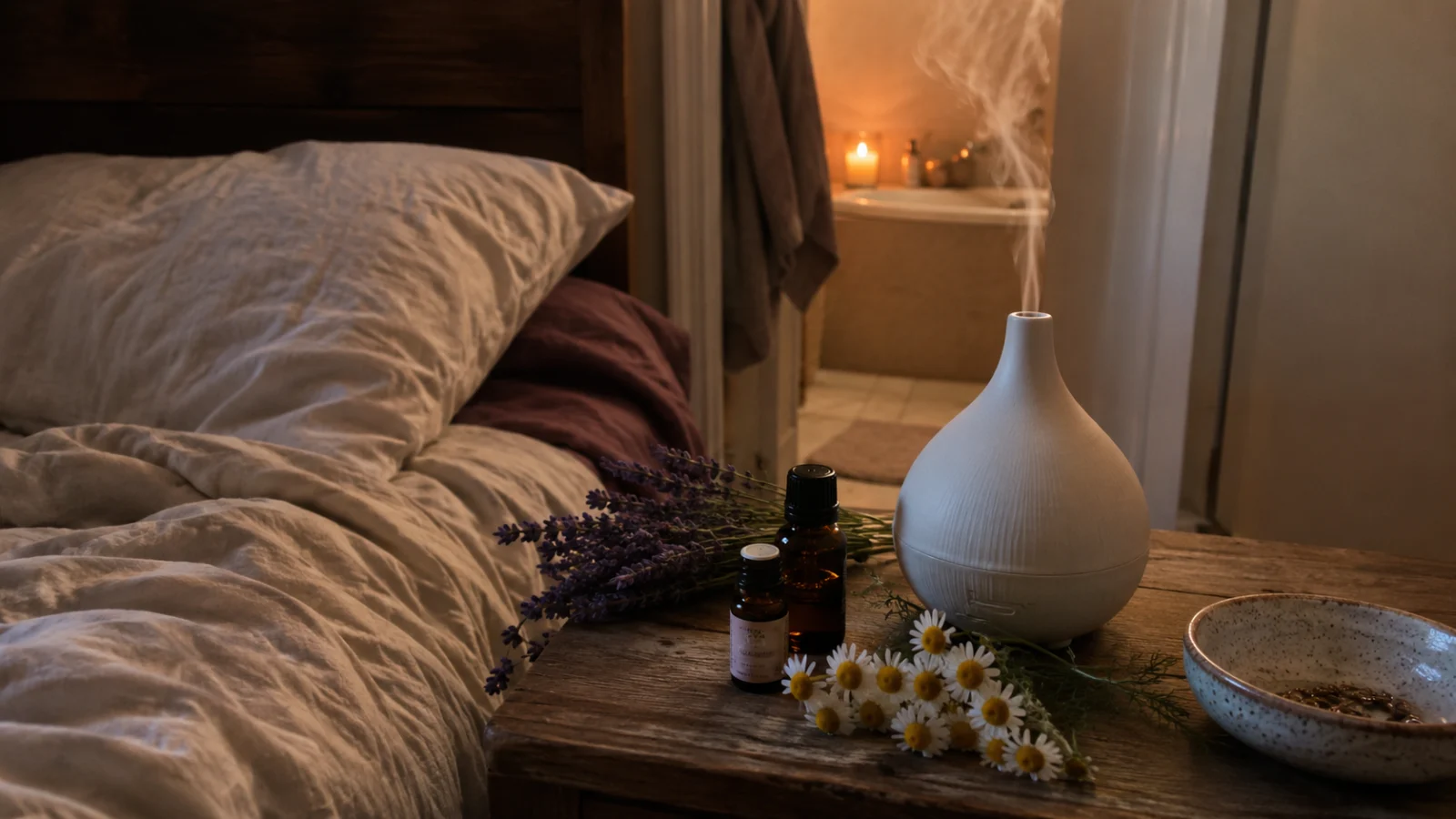
Sometimes I notice my mind and body just won’t settle down, no matter what I try. It’s frustrating, but over time I’ve learned that calming myself doesn’t require anything complicated—just small, steady steps that create a little breathing room inside. These moments don’t erase everything, but they help me feel more present and a bit more peaceful.
How I Use Mindful Breathing to Find a Quiet Center
Breathing is always with me, even when my thoughts race. I try to slow it down by inhaling gently through my nose, pausing briefly, then exhaling smoothly through my mouth. Starting with just five minutes feels manageable, and I’ve noticed that setting a timer helps me stay with it without worrying about the clock. You might try this too—if it feels right, it can be a simple anchor during a busy day.
What I’ve Learned About Meditation Without Pressure
Meditation used to feel intimidating because I thought I had to empty my mind completely. Now I approach it with kindness, allowing thoughts to come and go without judgment. Sitting quietly, focusing on a mantra or just observing my thoughts, helps me build a gentle awareness over time. I don’t always get stillness, but I’m learning that’s okay.
How Progressive Muscle Relaxation Helped Me Release Tension
I discovered that tensing and then relaxing muscle groups from my toes to my head can ease physical tightness I didn’t even realize I was holding. Doing this before bed has become a helpful way to prepare for rest. You might find it useful to try this slowly, noticing how your body responds.
Why I Take Nature Walks to Reset My Mind
Even short walks outside, without my phone, help me reconnect with the present moment. I pay attention to the colors, sounds, and scents around me. Nature’s rhythms have a way of softening my mental noise, and I appreciate these small escapes as chances to recharge.
Journaling as a Way to Untangle My Thoughts
Writing down what’s on my mind or what I’m grateful for—even just for five or ten minutes—has helped me sort through anxious feelings. Keeping a journal nearby makes it easier to turn this into a gentle daily habit. You might try jotting down whatever comes up without worrying about style or grammar.
How Gentle Movement Supports My Calm
Practicing gentle yoga or stretching for a short time eases physical tension and helps me feel more grounded. I usually follow beginner-friendly guides to keep it simple and safe. If you’re curious, this could be a gentle way to connect with your body.
Creating Tech-Free Moments to Clear Mental Clutter
I’ve noticed that setting aside times or places without screens—like during meals or before bed—reduces mental noise and helps me be more present with the people around me. It’s not always easy, but even small tech-free zones feel refreshing.
Using Aromatherapy as a Subtle Support
Adding a few drops of lavender or chamomile oil to a diffuser or pillowcase can gently enhance relaxation. I don’t rely on this alone, but it’s a nice addition to my calming routine when I want something extra.
How a Simple Gratitude Practice Shifts My Focus
Each evening, I write down three things I’m grateful for. This small habit helps me end the day with a more balanced mindset. You might find it helpful to notice even the little things that bring you ease.
What I Do to Prioritize Restful Sleep
Keeping a consistent sleep schedule and winding down with dim lights and gentle sounds helps me prepare for rest. Avoiding screens at least an hour before bed isn’t always easy, but it makes a difference in how I sleep.
A Quick Practice I Use: The 3-Minute Reset
When I feel overwhelmed, I sit comfortably, close my eyes, and take three slow, deep breaths. I focus on the air moving in and out and try to imagine releasing any tension on the exhale. Opening my eyes slowly, I find it easier to return to the moment. This reset is something you can do anytime you need a pause.
How I Bring Calm Into My Daily Life
I start with one or two practices that feel manageable and try to be consistent rather than perfect. These tools support my natural ability to find presence and ease. If you want to explore more, the Start Here page offers gentle guidance, and the Learning Library has resources on meditation and mindfulness.
What I’ve Noticed About Cultivating Calm
Life often pulls me in many directions, and calm doesn’t mean escaping reality. Instead, it’s about finding small moments of ease that help me respond with more thoughtfulness. These moments aren’t always easy to come by, but they’re worth the effort.
A Simple Mindful Breathing Exercise You Might Try Today
Find a comfortable seat and set a timer for three minutes. Close your eyes if that feels good. Breathe in slowly through your nose to a count of four, pause for two, then exhale gently through your mouth to a count of six. Repeat and notice how your body feels before and after. This small practice can be a gentle anchor whenever you need a break.
Common Challenges I’ve Faced When Seeking Calm
- Expecting Instant Results: Calm takes time to develop. It’s normal for the mind to wander or tension to linger at first.
- Forcing the Experience: Trying too hard to empty my mind caused frustration. Allowing thoughts to come and go without judgment helped me relax more.
- Neglecting Consistency: Practicing only occasionally didn’t build lasting calm. Small, regular moments made a bigger difference.
Questions I Often Ask Myself About Calm
How long should I meditate to feel calm? Even a few minutes daily can help. I started with five minutes and increased when it felt right.
Can I practice these techniques if I’m very busy? Yes. Mindful breathing or journaling can fit into short breaks or daily routines, making them accessible.
What if I don’t feel calm right away? That’s normal. Calm is a skill I’m still building, and patience with myself is key.
How I See Calm as a Companion, Not a Destination
Calm is something I invite into daily moments rather than something I reach and hold forever. If you want to weave these practices into a fuller routine, exploring a daily spiritual practice might offer gentle support. For practical ways to bring mindfulness into everyday life, check out Meditation for Real Life. If you’re looking for broader inspiration on living well, the Happy Life guides might be helpful.
Ready to Take a Small Step?
Sometimes the first step toward calm is as simple as pausing to breathe right now. When you’re ready, visit our Start Here page for more ideas and support on your journey.
Try This Today
Once the body settles even slightly, identify the next real problem rather than every possible problem. Is there a call to make, a decision to postpone, an apology to offer, or simply a need for sleep? Reducing the situation to one next action keeps tension from multiplying into a long list of imaginary emergencies.
FAQ
How do I begin if I feel overwhelmed?
When both the mind and body feel agitated, reasoning alone may not be enough. It can help to change the physical state first: stand up, walk, loosen the shoulders, slow the exhale, drink some water, or step away from the screen. These are not cures for every problem. They are ways to create enough space for a calmer next decision.
What if this does not work right away?
How often should I practice?
Short and steady is better than long and rare. A few minutes most days can become a quiet support you trust.