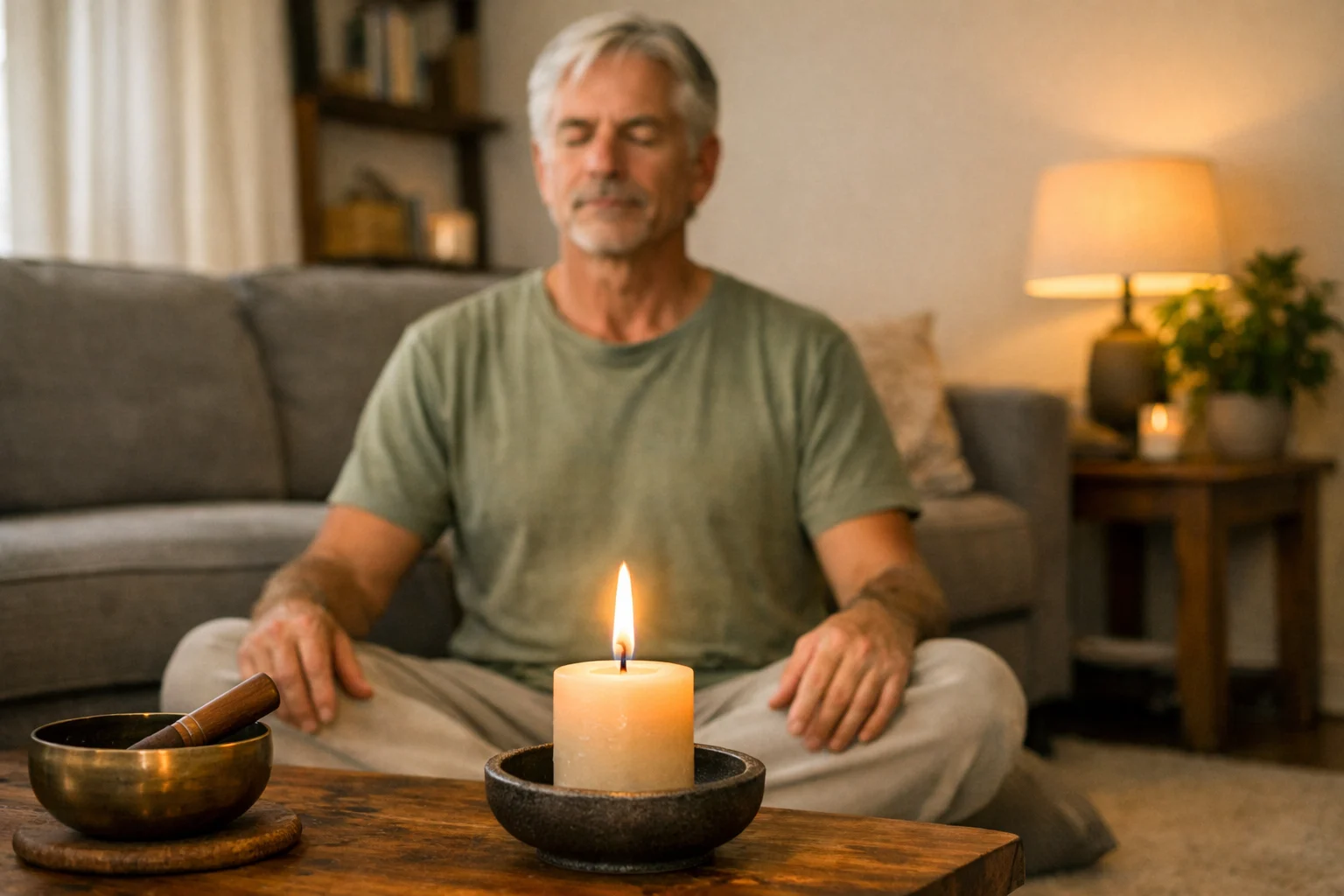
Understanding Mental Clarity in a Busy World
Life moves fast for all of us, and keeping a clear, steady mind has become one of the most important skills we can lean on. Whether we’re dealing with work challenges, trying to show up fully in our relationships, or pouring ourselves into creative projects, having mental clarity really helps us make better choices and stay balanced.
Over the past forty‑plus years, I’ve slowly shaped and refined my own meditation practice — drawing inspiration from different traditions and blending them into something that feels natural and grounded. These simple approaches have helped me stay centered and calm, especially when life gets complicated here in Hawaii. They’re not about perfection; they’re about finding small moments of steadiness in the middle of everything.
Core Meditation Techniques to Enhance Focus and Calm
Incorporating mindful meditation into your daily routine can gently train your mind to reduce distractions and sharpen awareness. Below are five accessible meditation practices that I’ve found invaluable for fostering mental clarity.
1. Mindfulness Meditation
This practice invites you to observe your thoughts and sensations without judgment, anchoring you in the present moment.
- How to practice: Sit comfortably in a quiet space. Close your eyes and focus on your natural breath. When thoughts arise, acknowledge them gently and return your focus to your breath.
- Benefit: Enhances self-awareness and reduces mental clutter.
- Tip: Begin with 5–10 minutes daily, gradually extending as you feel comfortable.
2. Concentration Meditation
This method strengthens your ability to maintain attention by focusing on a single point.
- How to practice: Choose an object like a candle flame or a soothing sound. Sit comfortably and keep your gaze or attention fixed on it. When your mind wanders, gently bring it back.
- Benefit: Builds sustained focus and reduces susceptibility to distractions.
- Tip: Use guided audio if helpful and practice consistently for short intervals.
3. Visualization Meditation
By mentally creating calming scenes, this meditation supports relaxation and creative insight.
- How to practice: Close your eyes and imagine a peaceful place, such as a beach or forest. Engage your senses—notice colors, sounds, and scents.
- Benefit: Promotes relaxation and opens space for problem-solving.
- Tip: Use visualization before tasks requiring clear thinking.
4. Body Scan Meditation
This technique helps identify areas of tension and fosters a relaxed mind-body connection.
- How to practice: Lie down or sit comfortably. Slowly bring attention from your feet upward, noticing sensations and releasing tension.
- Benefit: Increases bodily awareness and supports mental calmness.
- Tip: Consider using guided recordings to maintain focus.
5. Breath Awareness Meditation
Focusing on the rhythm of your breath calms the mind and cultivates steady concentration.
- How to practice: Sit upright with eyes closed. Observe your natural breathing. Counting breaths (inhale 1, exhale 2, up to 10) can help maintain attention.
- Benefit: Enhances calmness and clarity, especially during stressful moments.
- Tip: Practice daily for 5–15 minutes, ideally at consistent times.
Practical Exercise: Five-Minute Breath Awareness
Settle into a comfortable seated position. Close your eyes and take a few deep breaths to relax. Then, focus your attention on the natural flow of your breath without trying to control it. If your mind drifts, gently bring your focus back to the breath. Count silently with each inhalation and exhalation up to ten, then repeat. Use this simple exercise whenever you feel overwhelmed or scattered to regain focus.
Reflections from My Journey
Throughout my years practicing these methods, I’ve come to appreciate that mental clarity is not about forcing the mind into silence but inviting a gentle awareness that steadies and refreshes. The consistency of practice, rather than intensity, creates lasting benefits. These techniques have supported me in maintaining balance and presence, especially in the peaceful surroundings of Hawaii.
For those interested in deeper exploration, you might find the Meditation section helpful, or begin your journey with foundational guidance in Start Here.
Embracing a Clearer Mind
Integrating these mindful meditation practices into everyday life can nurture a clearer, calmer mind. With patience and gentle persistence, you can cultivate a steadiness that supports thoughtful decisions, emotional balance, and a greater sense of well-being.
Why Mental Clarity Matters
When our minds feel cluttered, even simple decisions can become overwhelming. Mental clarity isn’t about emptying the mind completely; it’s about creating space to see things more clearly and respond with intention. This clarity can improve how we handle stress, communicate with others, and stay connected to what really matters.
Try This Today: A Simple Mindful Meditation
Find a quiet spot and sit comfortably. Close your eyes and take three slow, deep breaths. Then, bring your attention to the sensation of your breath entering and leaving your body. If your mind wanders, gently notice where it went and bring your focus back to your breath. Try this for 5 minutes and see how you feel afterward.
Common Mistakes When Starting Meditation
- Expecting immediate results: Meditation is a practice, not a quick fix. Be patient with yourself.
- Judging your thoughts: It’s natural for the mind to wander. Instead of criticizing yourself, gently guide your attention back.
- Trying to meditate in noisy or uncomfortable places: While meditation can happen anywhere, starting in a calm environment helps build the habit.
Frequently Asked Questions
How long should I meditate each day to see benefits?
Starting with just 5–10 minutes daily can make a difference. As you feel more comfortable, you can gradually increase the time.
What if I can’t stop my thoughts during meditation?
It’s completely normal for thoughts to arise. The goal isn’t to stop them but to notice them without getting caught up and gently return your focus.
Can meditation help with anxiety and stress?
Many people find that regular meditation helps them feel calmer and more grounded. For more guidance on this, you might explore finding inner peace when life feels uncertain.
Explore More
If you’re interested in weaving meditation into your daily life in practical ways, check out Meditation for Real Life. For broader inspiration on living well, our Happy Life guides offer simple, thoughtful ideas to nurture your well-being.
Ready to begin or deepen your practice? Start here for gentle steps and support tailored to where you are right now.
FAQ
How long should I practice this each day?
What if my mind keeps wandering?
That is normal. The practice is to notice when you have drifted and return with patience.
Do I need special experience to begin?
No. A sincere pause, a few conscious breaths, and a willingness to begin are enough.