When a Home Feels Loud: A Lesson I Didn’t Expect to Learn
I spent a day helping my daughter and son-in-law move, but their loud frustrations made me reflect on how small reactions shape the emotional climate at home.
July 27, 20266 min readStories & Case Studies
Last Saturday, I found myself in a situation I hadn’t anticipated. I was helping my daughter and her husband settle into their new apartment, expecting a day filled with shared effort and lighthearted moments. Instead, I noticed how quickly small frustrations turned into loud arguments, and how that changed the whole atmosphere. It left me wondering about the emotional climate we create in our homes and what it teaches those around us.
How I Noticed the Difference Between Problem and Reaction
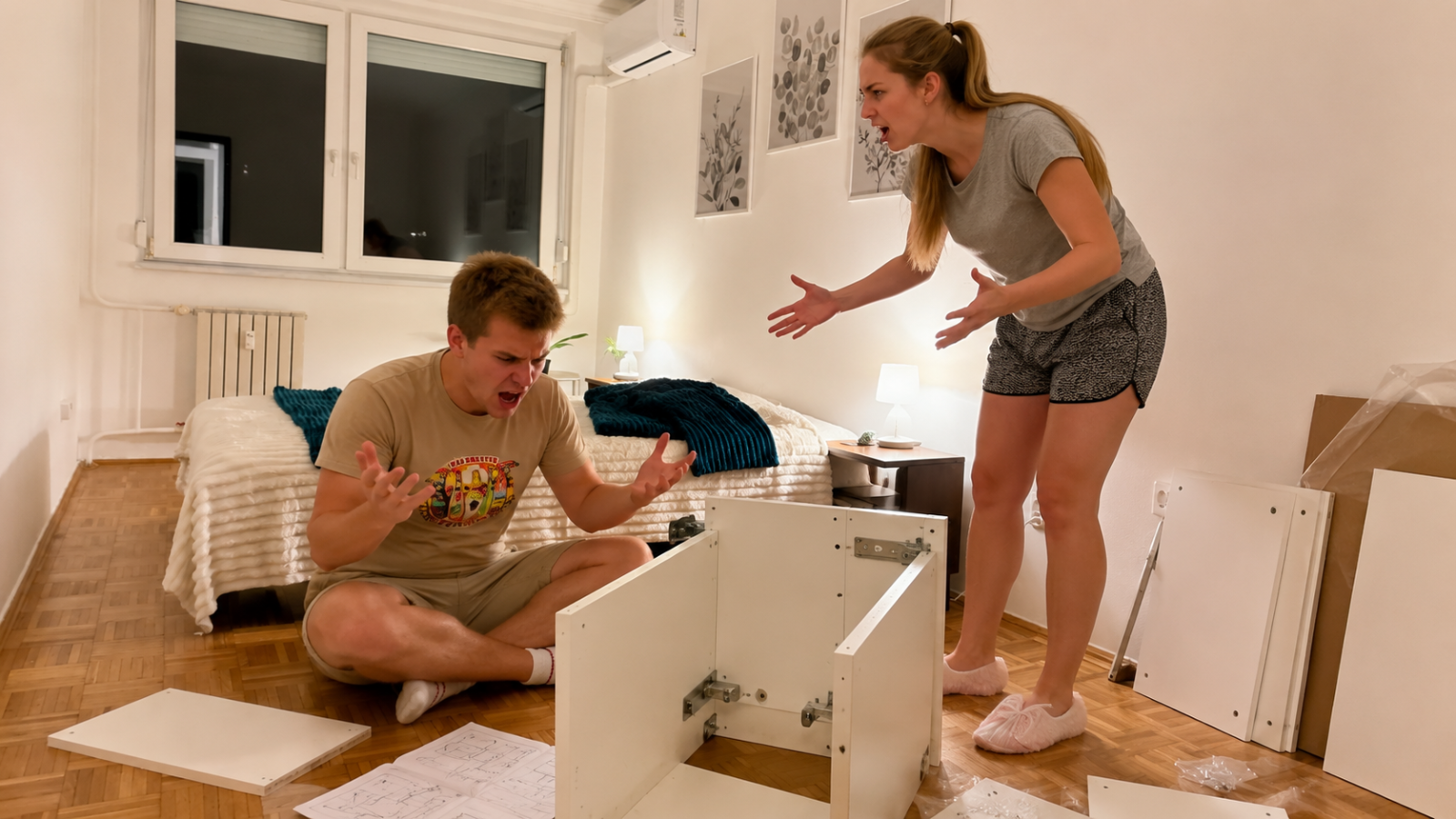
At one point, my son-in-law was assembling IKEA furniture and realized he had made a mistake that meant starting over. Anyone who’s done this knows it can be frustrating. What surprised me was how his frustration escalated into yelling—not just at the furniture, but at my daughter too. The furniture could be fixed, but the tension in the room felt harder to repair. That moment stayed with me, especially because I’d seen similar outbursts before, not just here but in everyday life around them.
What I Learned About Patterns We Don’t Always See
When I spoke with my son-in-law later, he explained that this kind of loud reaction had been normal for him since childhood. He said he calms down quickly, so to him, it’s just a moment. But I realized the person who hears the yelling might carry the emotional weight much longer. My daughter said she was used to it, which made me sadder. Getting used to something doesn’t always mean it’s healthy—it can just mean we stop reacting as strongly. I’m still learning how much these patterns shape the emotional climate we live in.
Why Intelligence Doesn’t Always Mean Emotional Control
My son-in-law is very intelligent, which made me think about how intelligence and emotional habits don’t always go hand in hand. We can be brilliant in many areas and still react automatically in ways we don’t like. Many emotional habits come from early experiences we barely questioned at the time. Changing them takes awareness and practice—something I’m still working on myself.
How I See the Impact of Loud Reactions on Relationships
One thing I’ve noticed is that when someone yells and then calms down quickly, they might think the issue is over. But others in the room often feel the tension linger. It changes how people relate to each other—making them cautious, careful with words, or even emotionally drained. Over time, a home can feel like a place where everyone is bracing for the next outburst, even if it’s brief. That’s a pattern I find worth reflecting on.
What I Wonder About Children Growing Up in This Atmosphere
The day after, I kept thinking about what a child might learn from this. Kids don’t just learn from what we say—they absorb how we handle frustration and disappointment. If yelling and disrespect become the norm, a child might come to believe that’s what love sounds like. That’s not about perfect parents, but about recognizing patterns and being willing to try something different. I find that idea both hopeful and challenging.
How I Keep Reminding Myself That I’m Still Learning
I shared with my son-in-law that I’m far from perfect too. I lose patience and react emotionally more often than I’d like. What helps me is reading, reflecting, and trying to notice my own patterns. None of this makes me perfect, but it helps me see that my automatic reactions don’t have to be my default. I’m still figuring out how to ask myself if this is how I want to continue living.
What I Understand About Changing Family Patterns
We don’t choose the emotional environment we grow up in, but we can decide what to practice as adults. Saying “I’ve always been like this” can explain a behavior but doesn’t have to justify it. I’m learning that small changes—pausing before speaking, lowering my voice, or apologizing when I’ve hurt someone—can slowly shift the emotional climate. It’s not easy, and it’s not instant, but it feels worth trying.
Free 7-Day Email Practice
Would a gentle seven-day reset help right now?
Continue reading, or begin the free 7-Day Hawaii Reset and receive one practical exercise each day.
One practical email each day for seven days
No hype, pressure, or miracle claims
Unsubscribe anytime
Small Steps I’ve Found Helpful to Create a Calmer Home
Pause before reacting: I’ve noticed that taking a few slow breaths before responding helps me avoid escalating tension.
Describe problems without blame: Saying what’s wrong without attacking the other person feels less threatening and keeps conversations calmer.
Lower the volume: When voices start rising, I try speaking more quietly. It’s surprising how that can change the mood.
Repair the damage: I’ve learned that apologizing sincerely can help heal the moment, even if the frustration was real.
Create signals: Agreeing on a word or gesture to pause heated conversations has helped me and others avoid unnecessary conflict.
If it feels right, you might try some of these steps too. I’m still working on them myself, and sometimes I fail, but each small effort seems to help.
When I Thought About Getting Help
Sometimes, patterns feel too big to change alone. I’ve come to see that talking to a therapist or counselor isn’t a sign of failure but a way to understand triggers and learn new responses. I’m still considering this for myself at times, and I think it’s a brave step to take.
What I’m Still Reflecting On
This experience reminded me how much the emotional climate at home shapes our relationships and even what children learn about love and respect. I don’t have all the answers, and I’m still learning how to respond better when things get loud. But I do believe that noticing these patterns and being willing to try small changes can make a difference over time.
People Also Ask
How can I reduce yelling at home? I found that pausing before reacting and lowering my voice helped me avoid escalating conflicts.
Is it normal to get used to loud arguments? I’ve learned that getting used to something doesn’t always mean it’s healthy—it can just mean we stop reacting strongly.
Can children be affected by loud emotional climates? From what I’ve seen, children absorb how adults handle frustration, which shapes their future relationships.
Next Steps I’m Trying
If you want to explore this further, you might find my Learning Library helpful for practical ways to develop emotional awareness and calm. Also, the Start Here page offers a gentle introduction to mindfulness practices that have helped me. For more on managing emotional reactions, see my posts on emotional healing and building confidence.
Try This Today
Set aside five quiet minutes. Sit comfortably, let your shoulders drop, and ask yourself one simple question: what would help me feel a little more steady today?
Do not look for a perfect answer. Write down the first honest answer that comes. Then choose one small action you can actually do before the day is over.
FAQ
How do I begin if I feel overwhelmed?
Begin smaller than you think you should. One breath, one sentence in a notebook, or one short walk can be enough to interrupt the spiral and return to the present moment.
What if this does not work right away?
That is normal. A simple practice is not a magic switch. It is a way to create a little space so you can respond with more patience and less pressure.
How often should I practice?
Short and steady is better than long and rare. A few minutes most days can become a quiet support you trust.
Practice as You Read
Start with one calm breath
Before you continue, pause for a moment. Relax your shoulders, breathe slowly, and let this article be something you practice, not only something you read.