Featured Article
How I Find a Good Book Summary Actually Useful
I’ve learned that not every book summary sticks. Here’s what helps me turn a quick read into something I can actually use in daily life.
Category
Step-by-step practices, routines, checklists, journaling prompts, reset exercises, and tools readers can try.
Showing 24 of 24 articles · about 5 min average read

Featured Article
I’ve learned that not every book summary sticks. Here’s what helps me turn a quick read into something I can actually use in daily life.
Keep Reading

Thirty small steps later, I don’t think life needs a grand reinvention. A good life is simpler: notice what you already have, give worry only the attention it deserves, and live honestly as the person you are now.

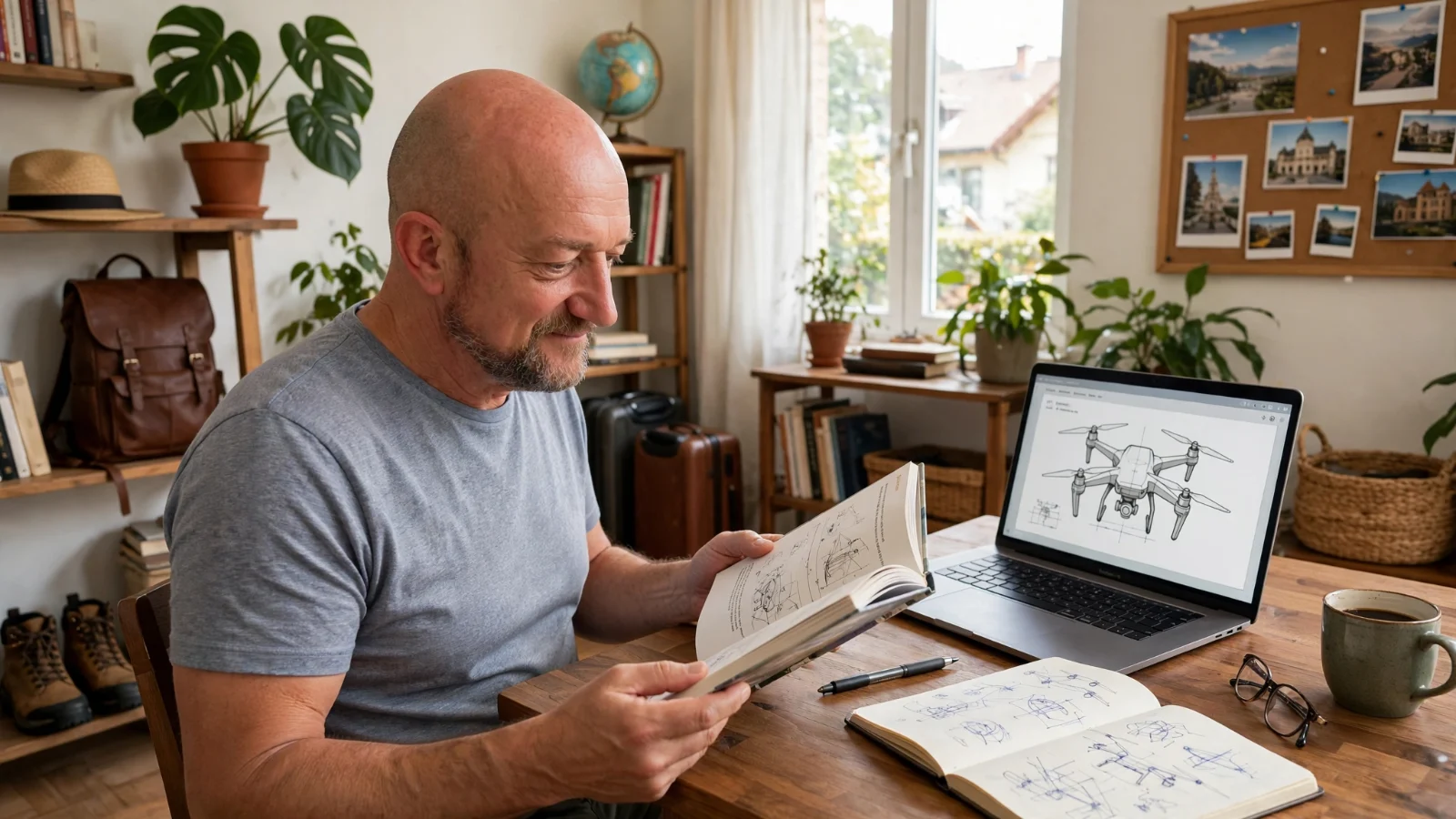
Retirement could have been the point where I stopped learning. Instead, it gave me time for quantum physics, new technology, books, Spanish, travel, exercise, and questions I once postponed. Curiosity widened the horizon.

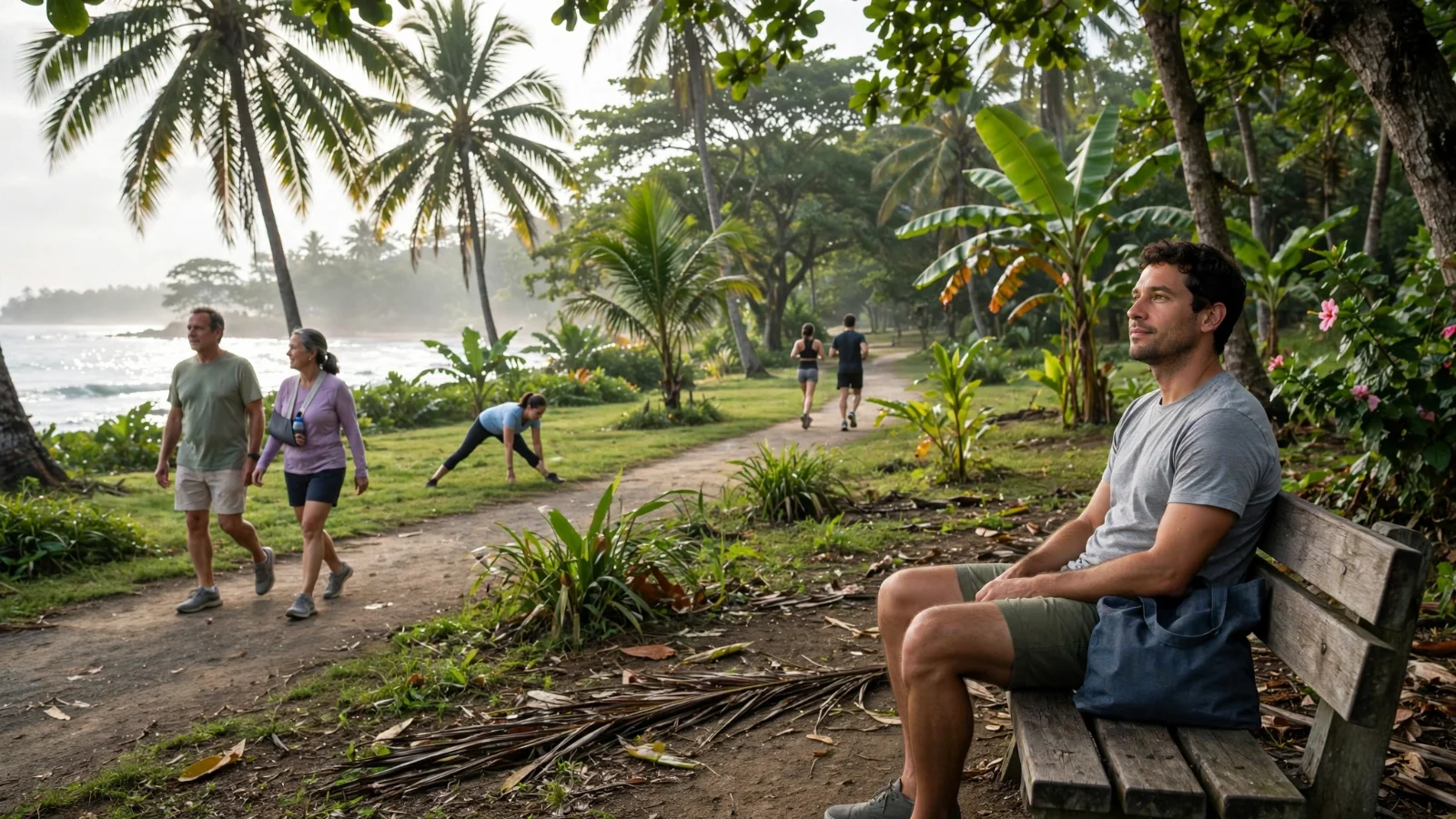
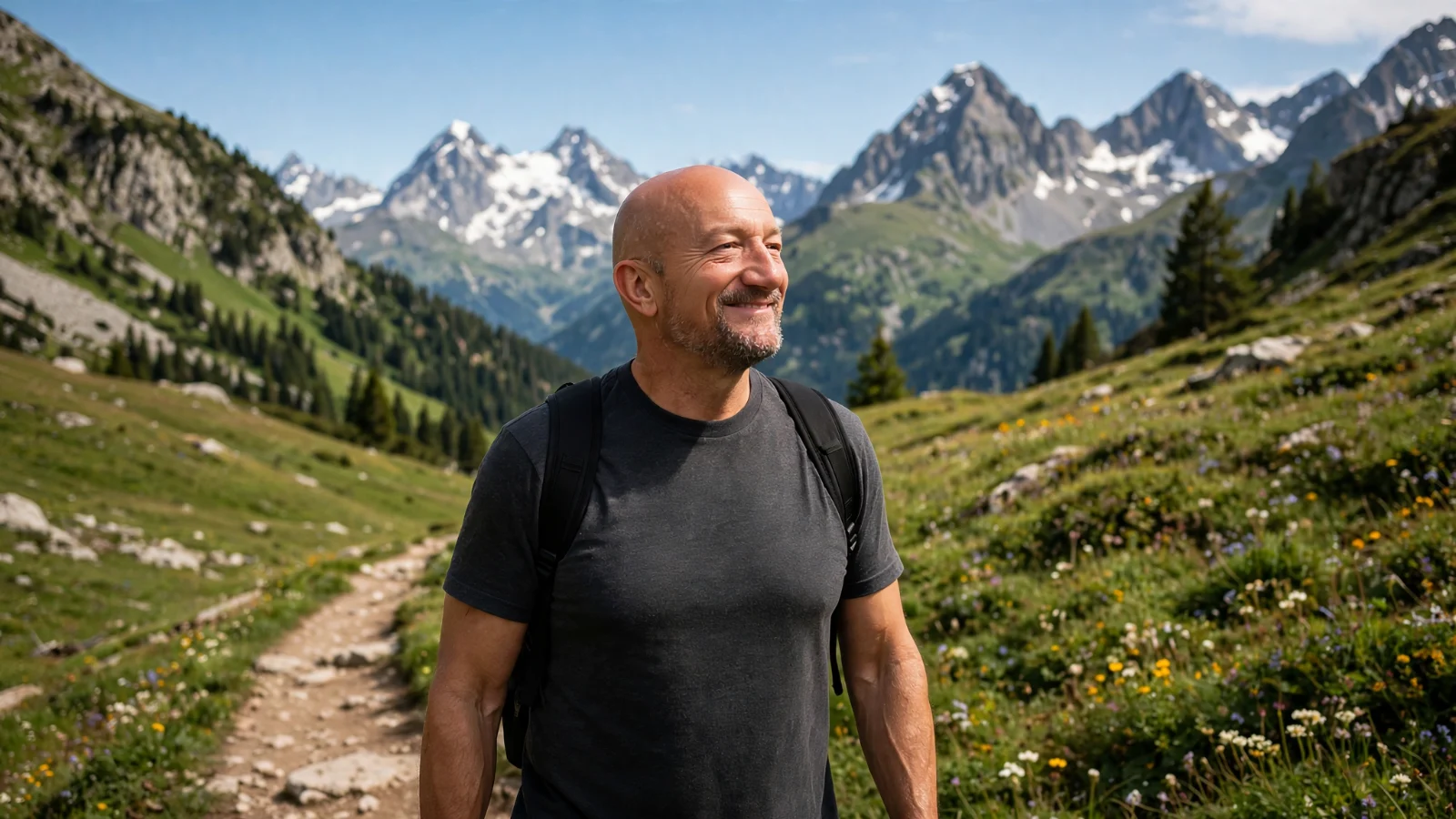
During walks in Kapiolani Park, I sometimes ask whether more money would really change my daily life. I would probably still exercise, swim in the ocean, work on websites, and spend time with the people I love. That helped me separate wanting more from already having enough.

My wife and I sometimes 'play tourist' in Waikiki, pretending familiar shops and streets are new again. We accomplish absolutely nothing—and that is exactly why it is fun.

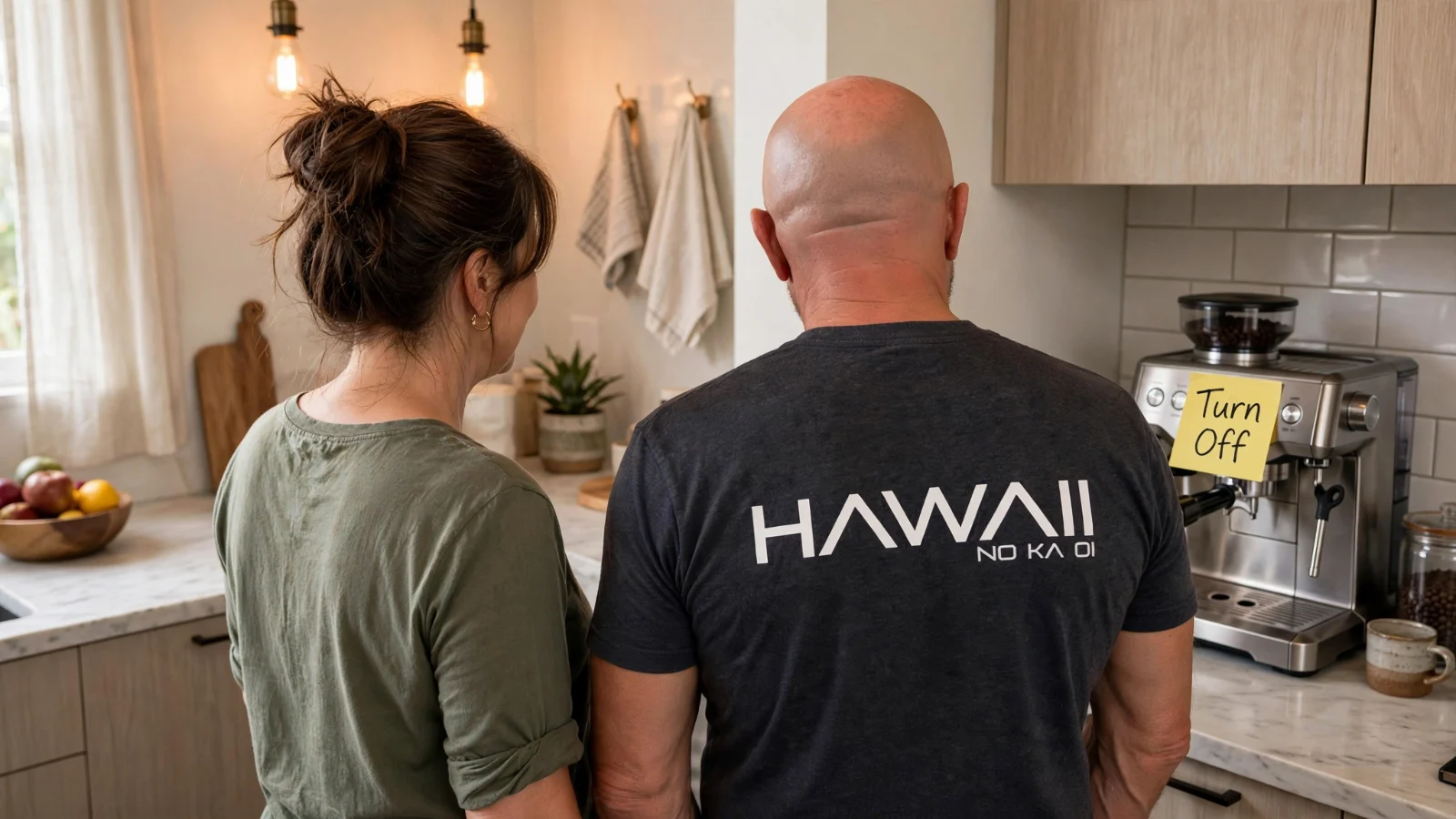
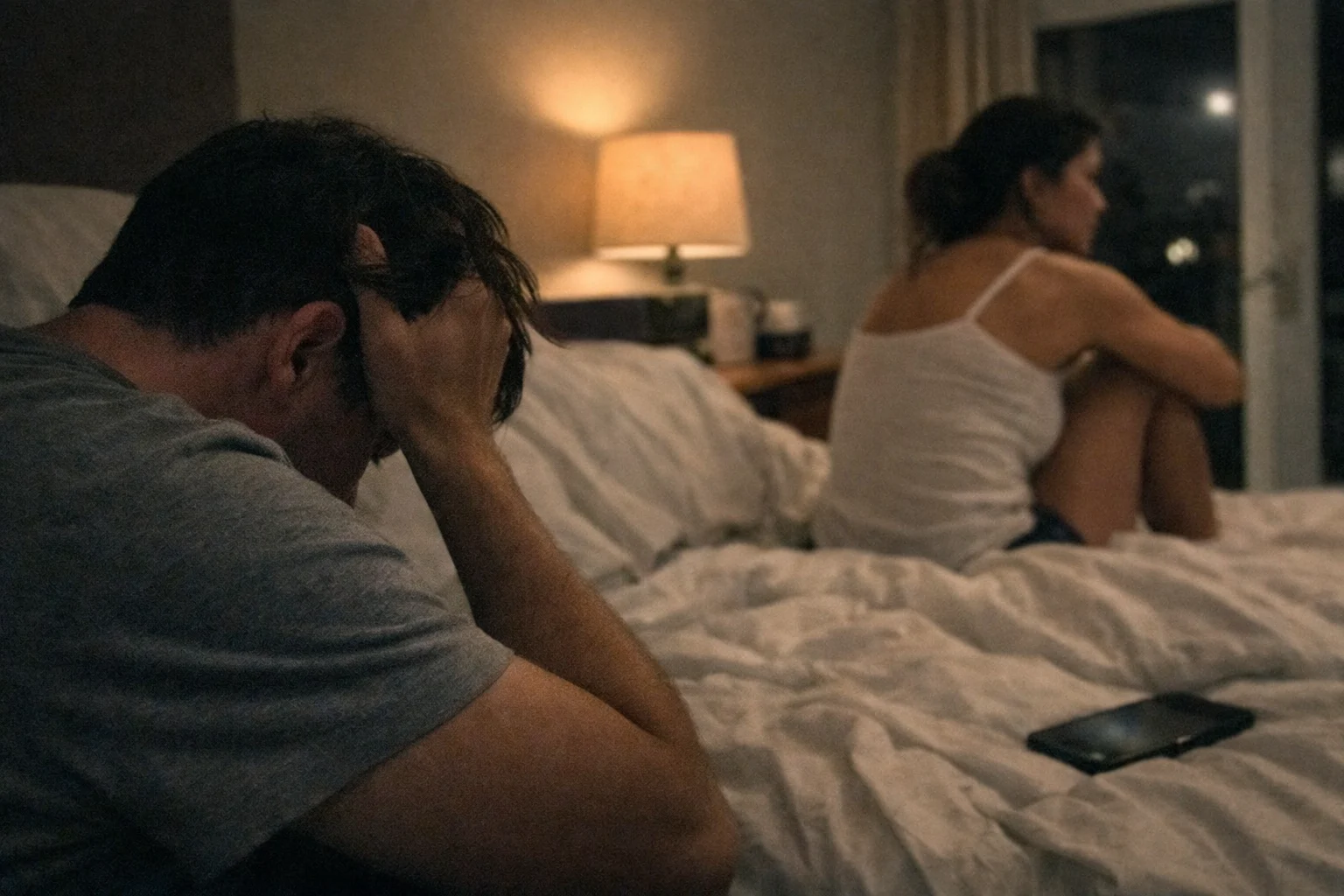
I used to turn a forgotten coffee machine into an argument by defending myself. The day I simply said, “You’re right. I forgot. I’m sorry,” the tension vanished. Sometimes five bad minutes do not need to become five bad days.

One night on my balcony, the moon over the Pacific made me realize how easily even a beautiful life can become ordinary through familiarity. The value was still there; my attention had simply stopped seeing it.

My first attempt at meditation came with wandering thoughts, constant itching, and the suspicion that everyone else probably sat like a statue. What changed was not instant calm—it was learning that being awkward at something new is simply the price of entry.

When a new airport heat-map project pushed me into unfamiliar technology, I struggled alone because I did not want colleagues to think I was less capable. One question to Kamlesh solved what pride had kept difficult for far too long.

Boxing once felt like my entire future. Then Hungary, Éva, teaching, meditation, America, airline work, and IT kept changing the shape of my life. I learned that adapting does not mean losing yourself—it can mean becoming a larger version of who you already were.

Scarcity taught me early not to wait for money before enjoying life. From mountain weekends with bread and bacon to budget day trips across America, I learned that the ideal version of an experience should not cancel the version available today.

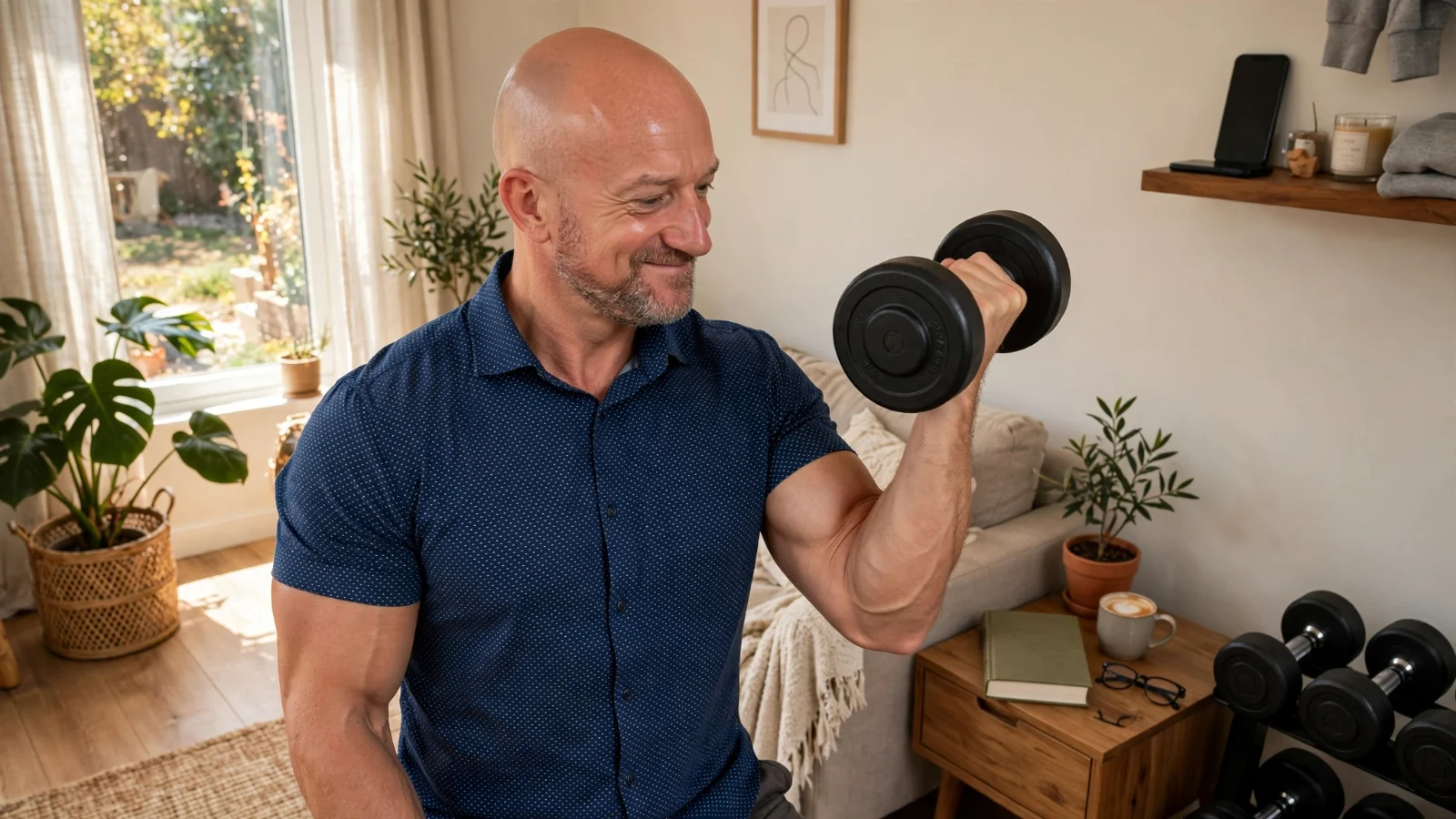
I exercise more when my dumbbells are impossible to ignore, read more when the book replaces my phone beside the bed, and follow routines better when reminders do the remembering for me. Sometimes the problem is not discipline—it is the setup.

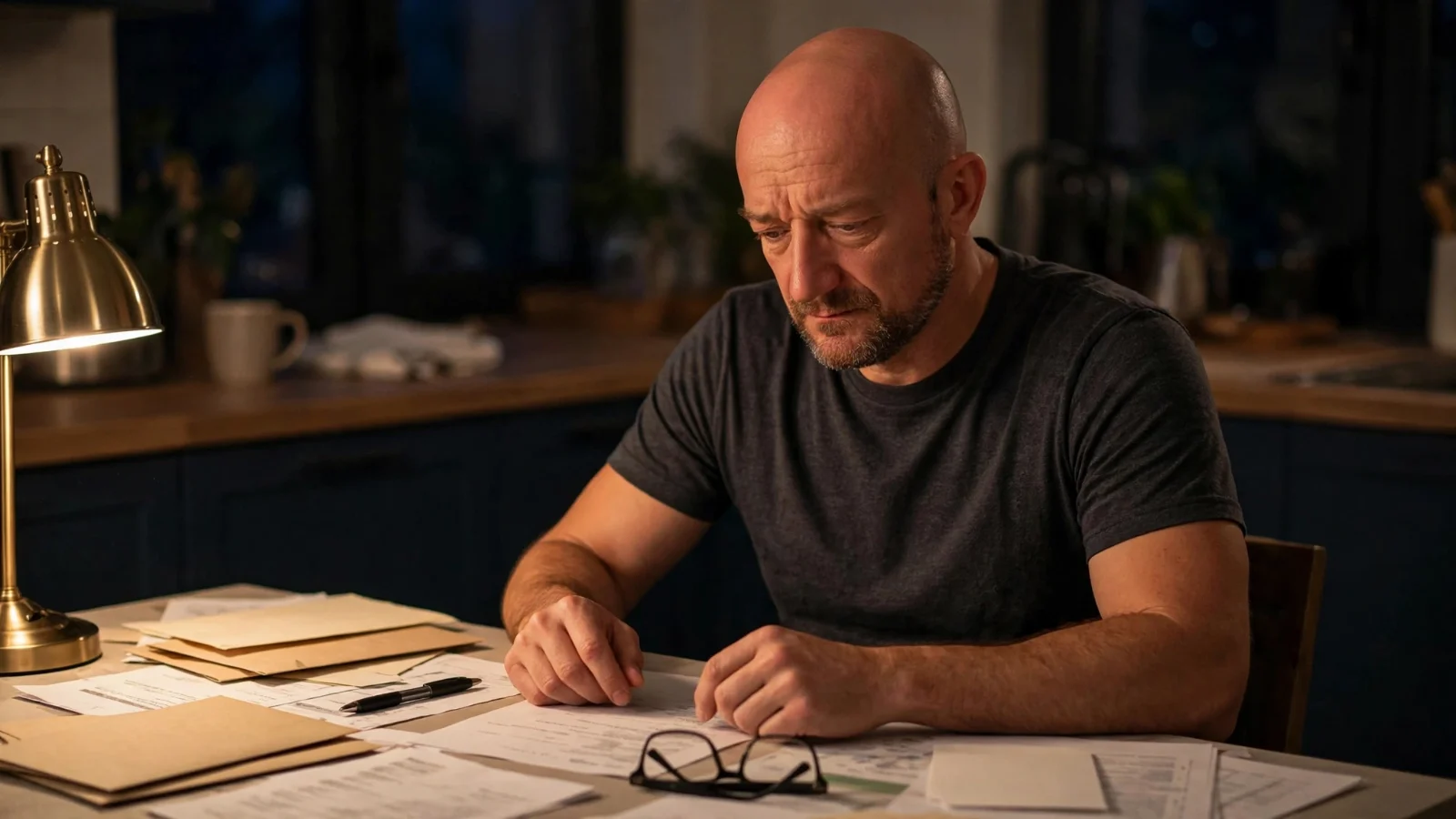
After a totaled car left me with a huge financial loss, a disputed IRS bill dragged on for about two years. I lost countless nights to worry before learning that even serious problems do not deserve every hour of our attention.

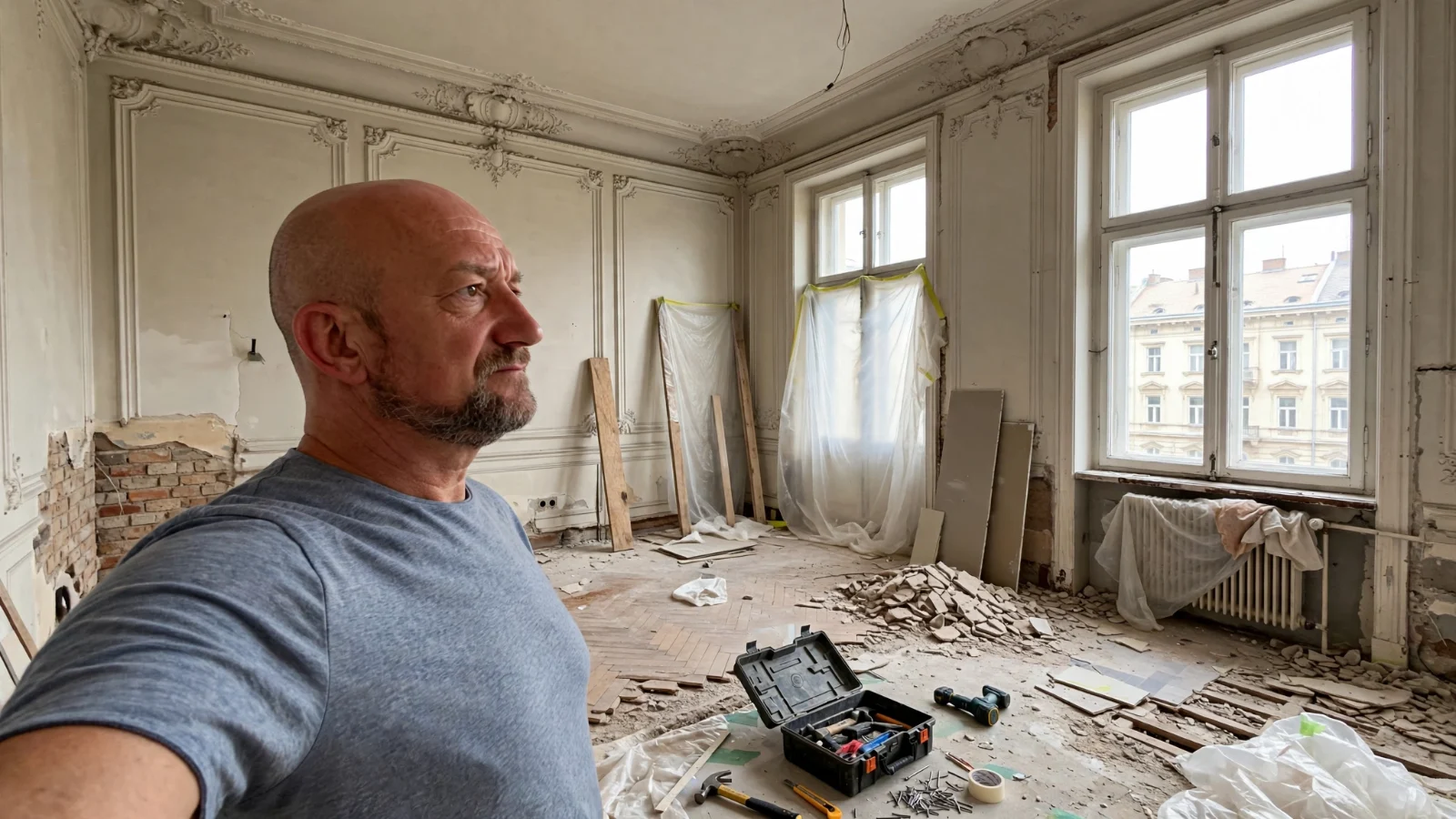
A Budapest renovation cost me more than $120,000 and left me with faulty systems, unfinished rooms, and extra repair bills. The harder lesson was learning to separate a bad decision from a permanent judgment about myself.

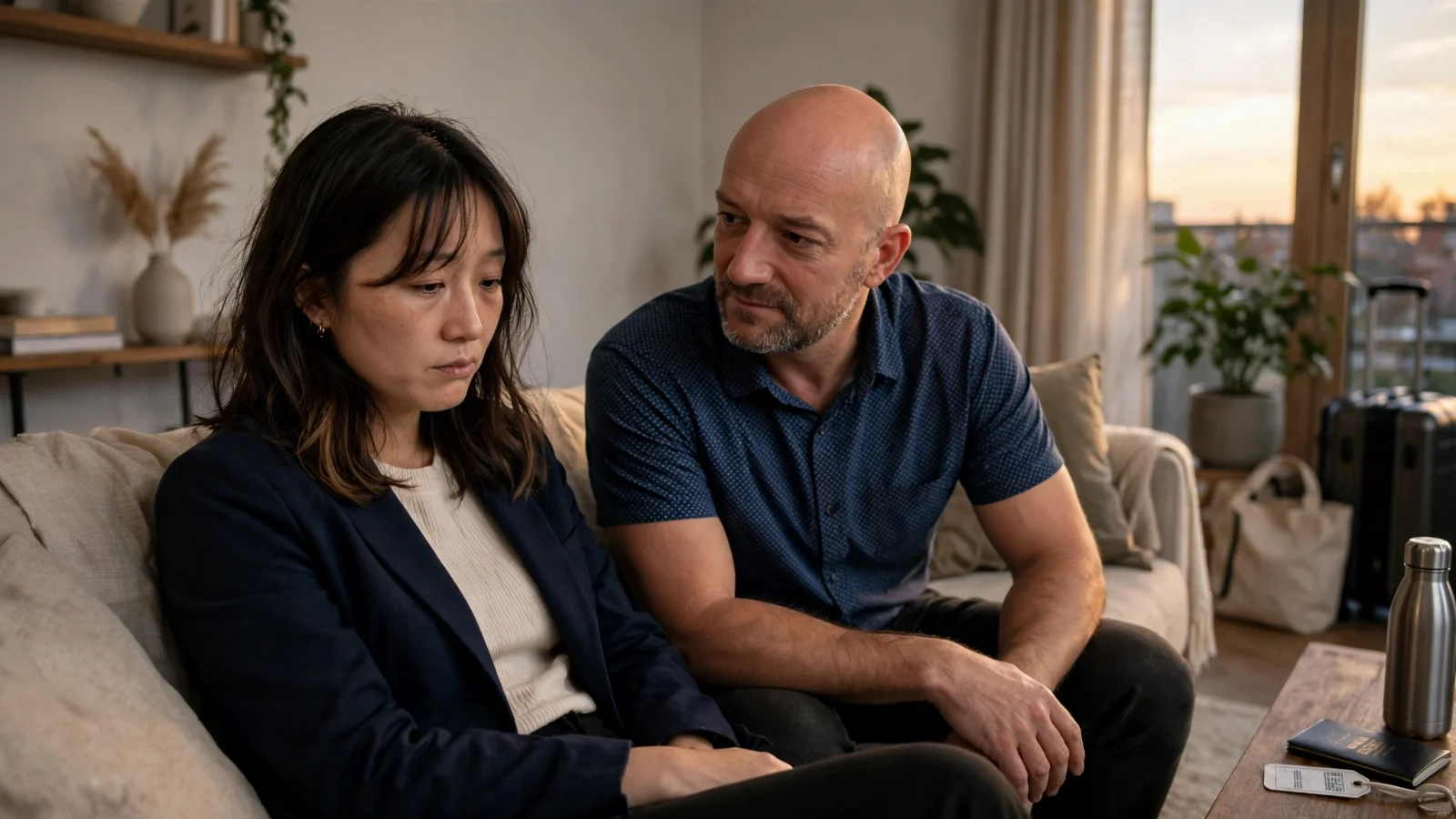
One evening my wife came home discouraged from a trip, and I immediately tried to solve everything. Then she said, “I don’t need you to solve it. I just need you to listen.” That sentence changed how I think about support.

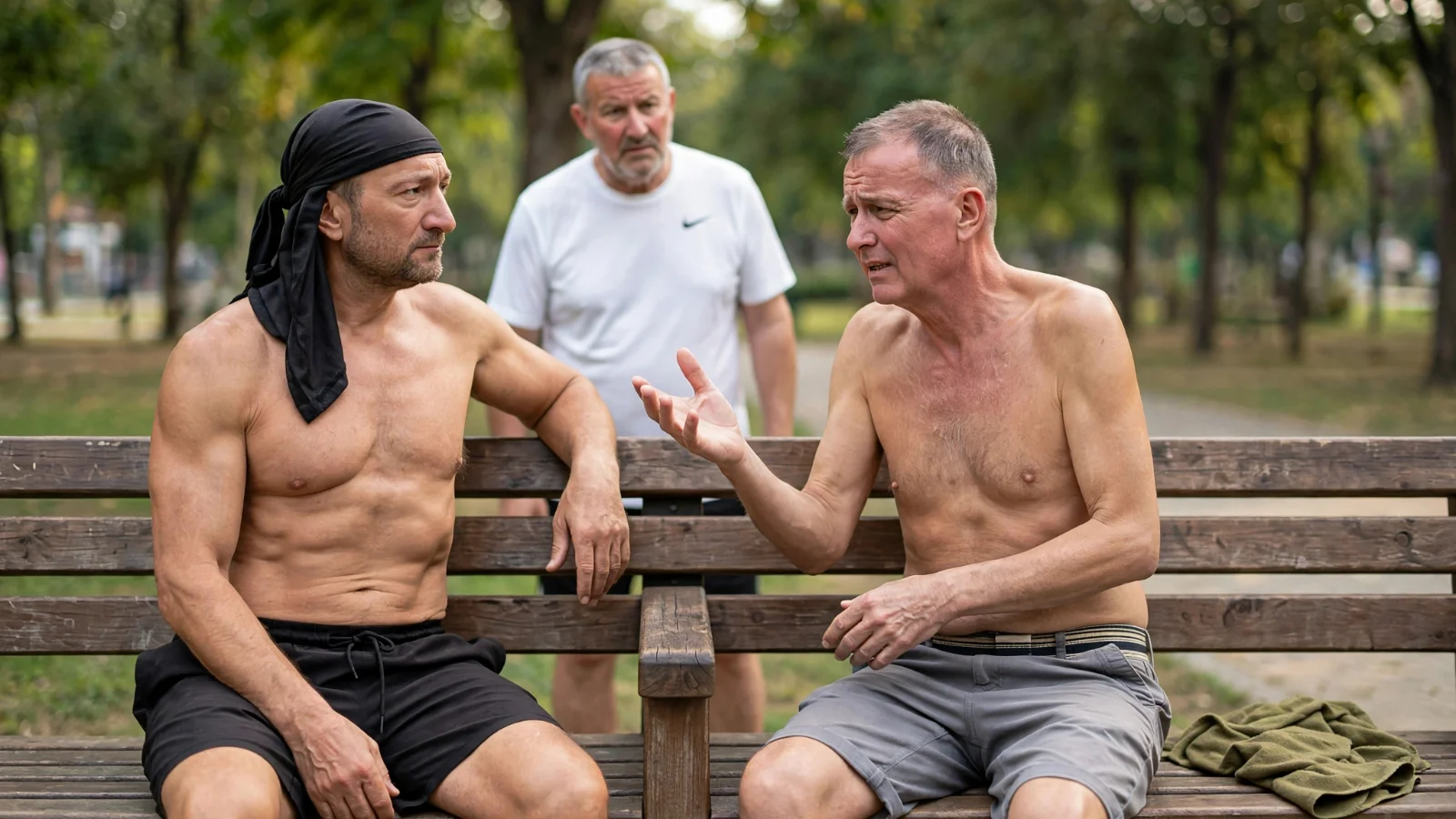
For years I tried to help a childhood friend escape a destructive relationship, only to watch him return to the same pattern again and again. I’m learning that caring about someone does not make their choices mine to control.

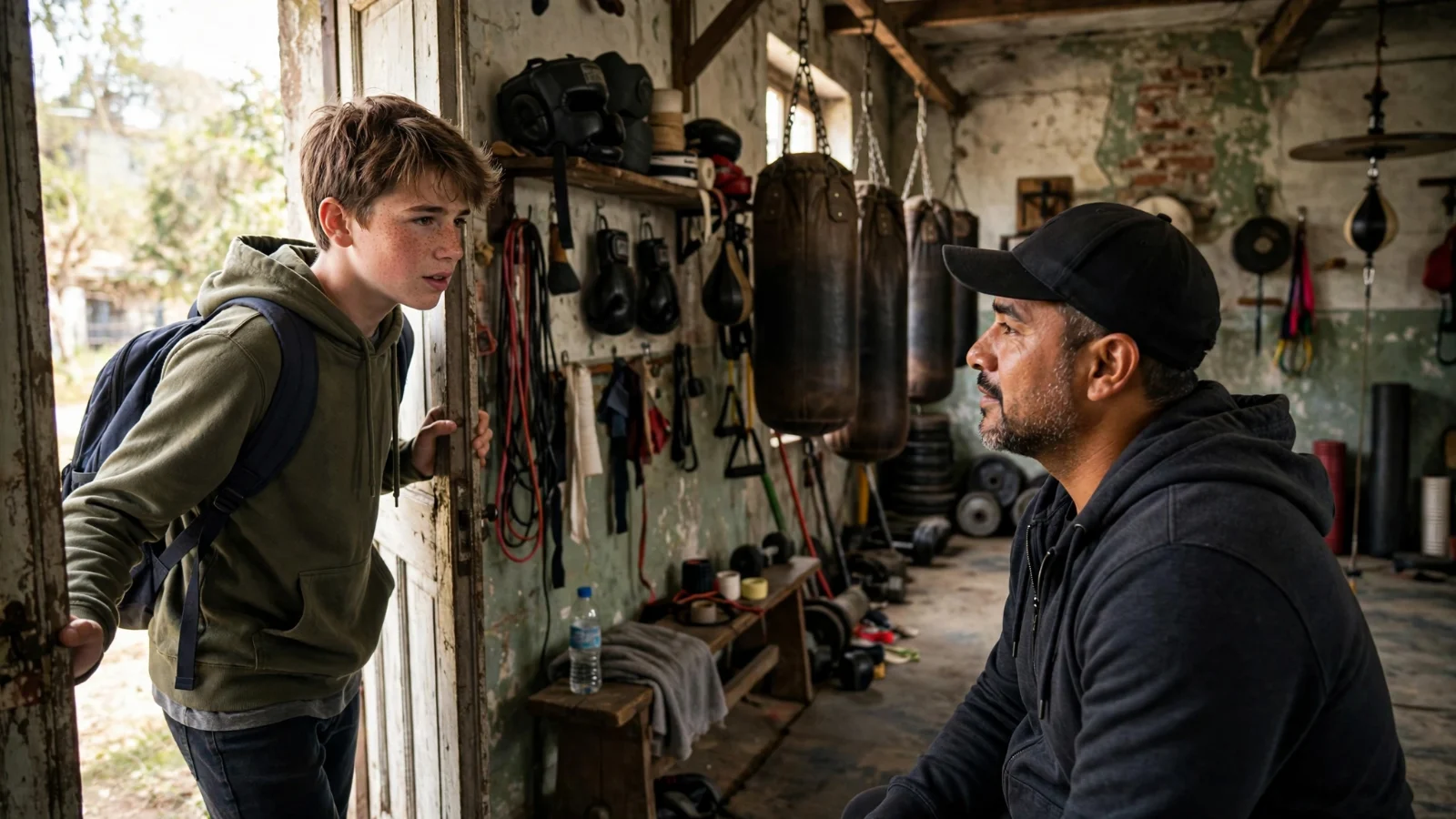
As a schoolboy, a broken tooth pushed me into a boxing gym. Learning to box changed far more than schoolyard fights—it gave me the confidence to form friendships, apply for opportunities, start a school boxing team, and eventually become a coach.

When friends visited me in Hawaiʻi, I was surprised to see them looking at their phones instead of the scenery—and later doing the same at dinner. It made me think about how easily screens can steal the moments we actually wanted to experience.

I went in for an oil change and nearly let a Mustang Mach-E test drive make a much bigger decision for me. The experience taught me to give excitement time to cool and to count the boring consequences before a major yes.

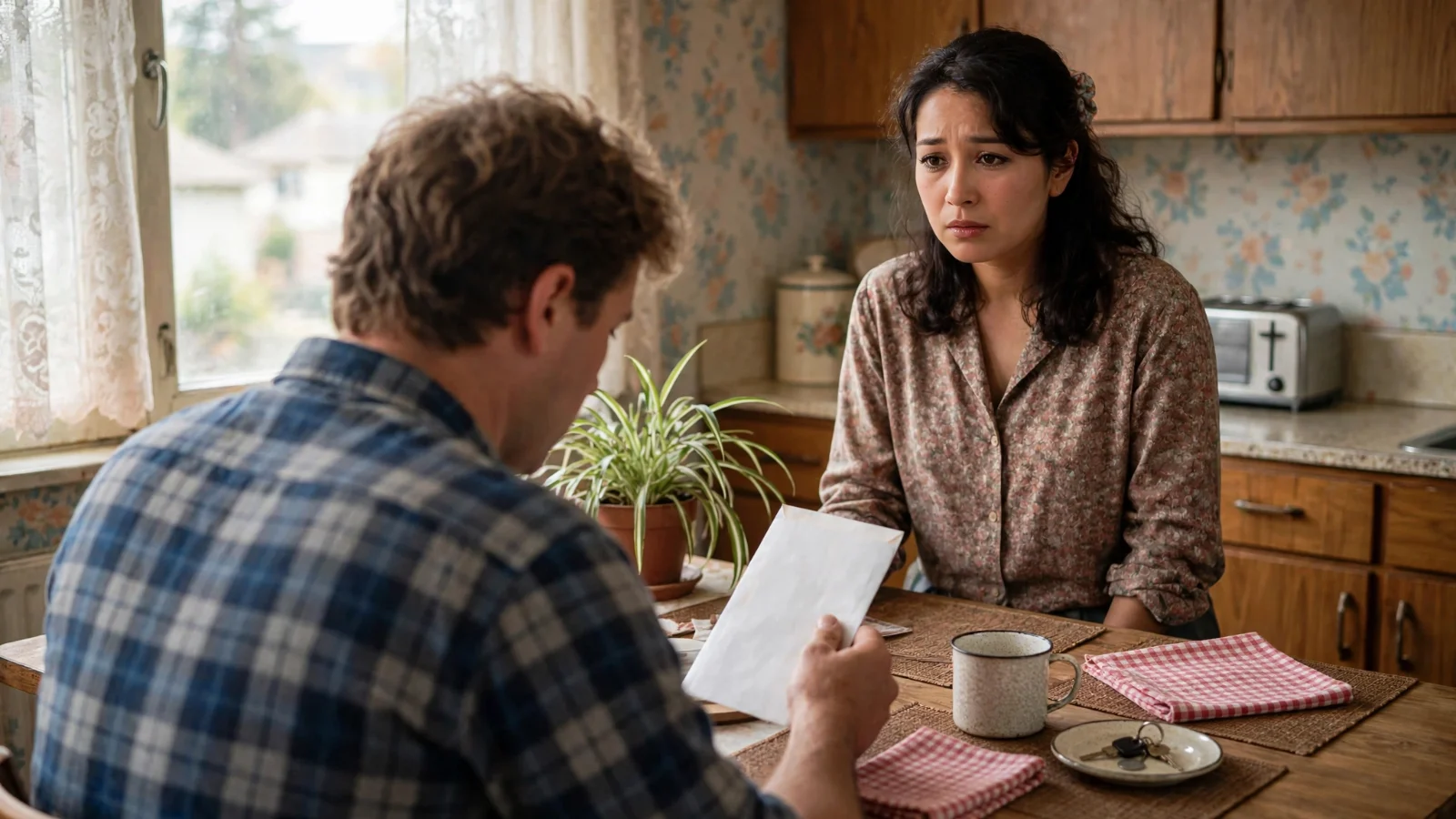
I once cosigned a loan for a childhood friend because I couldn’t bring myself to say no. The bank letters, financial fear, and arguments at home taught me that a reluctant yes can cost far more than one uncomfortable no.

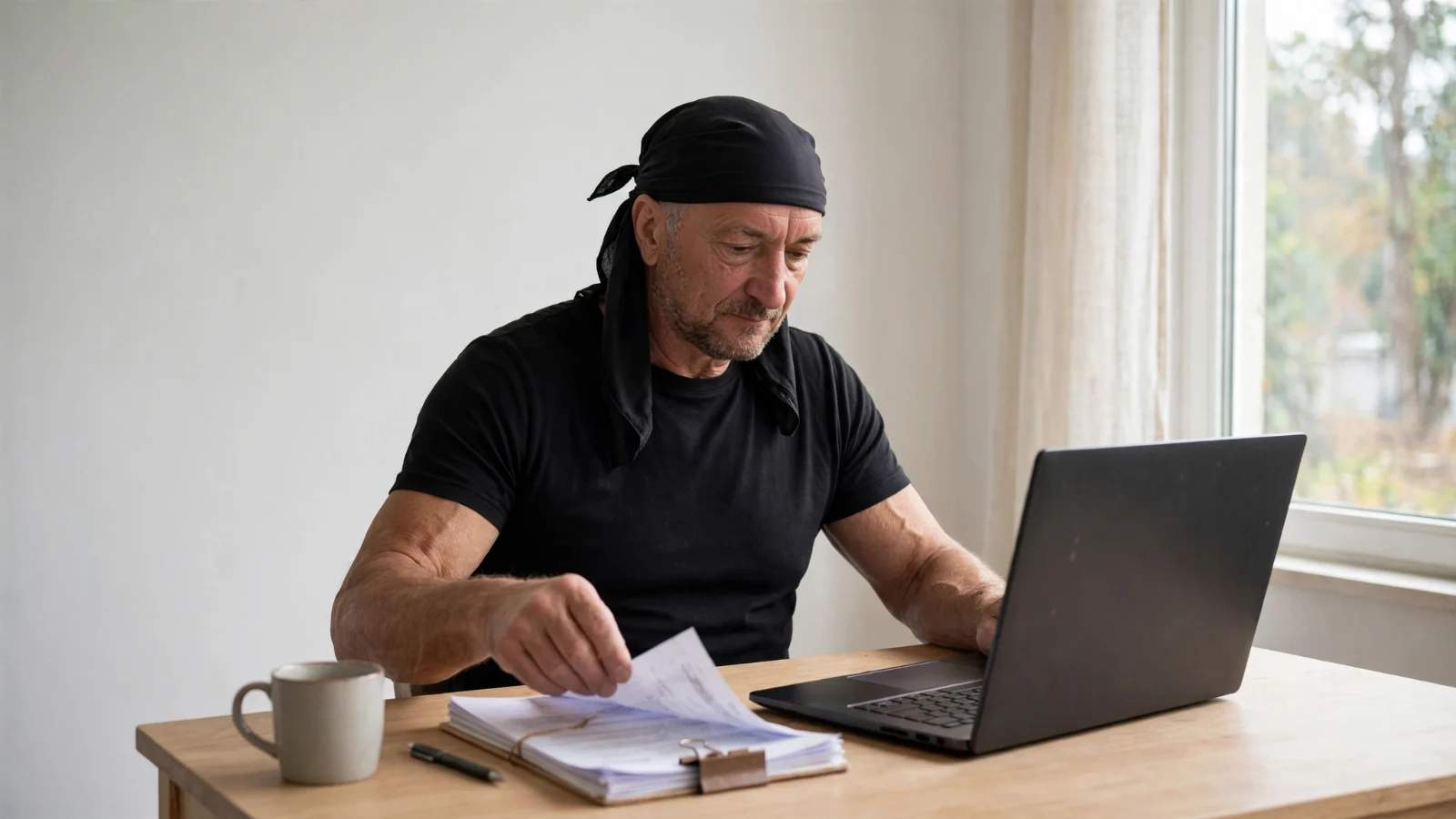
I used to keep postponing my taxes because I hated doing them, only to create a last-minute rush for myself. What helped was surprisingly small: stop thinking about finishing the whole job and make the first action almost too easy to avoid.

I learned that looking back can teach me something, but replaying the same finished moment can quietly turn reflection into punishment. My small step is to ask what I can still repair, what I can learn, and what I now have to stop putting on trial.

I began easing my harsh inner critic by noticing one negative sentence and gently rewriting it to something honest but kinder. It’s a small, practical step toward more self-kindness.

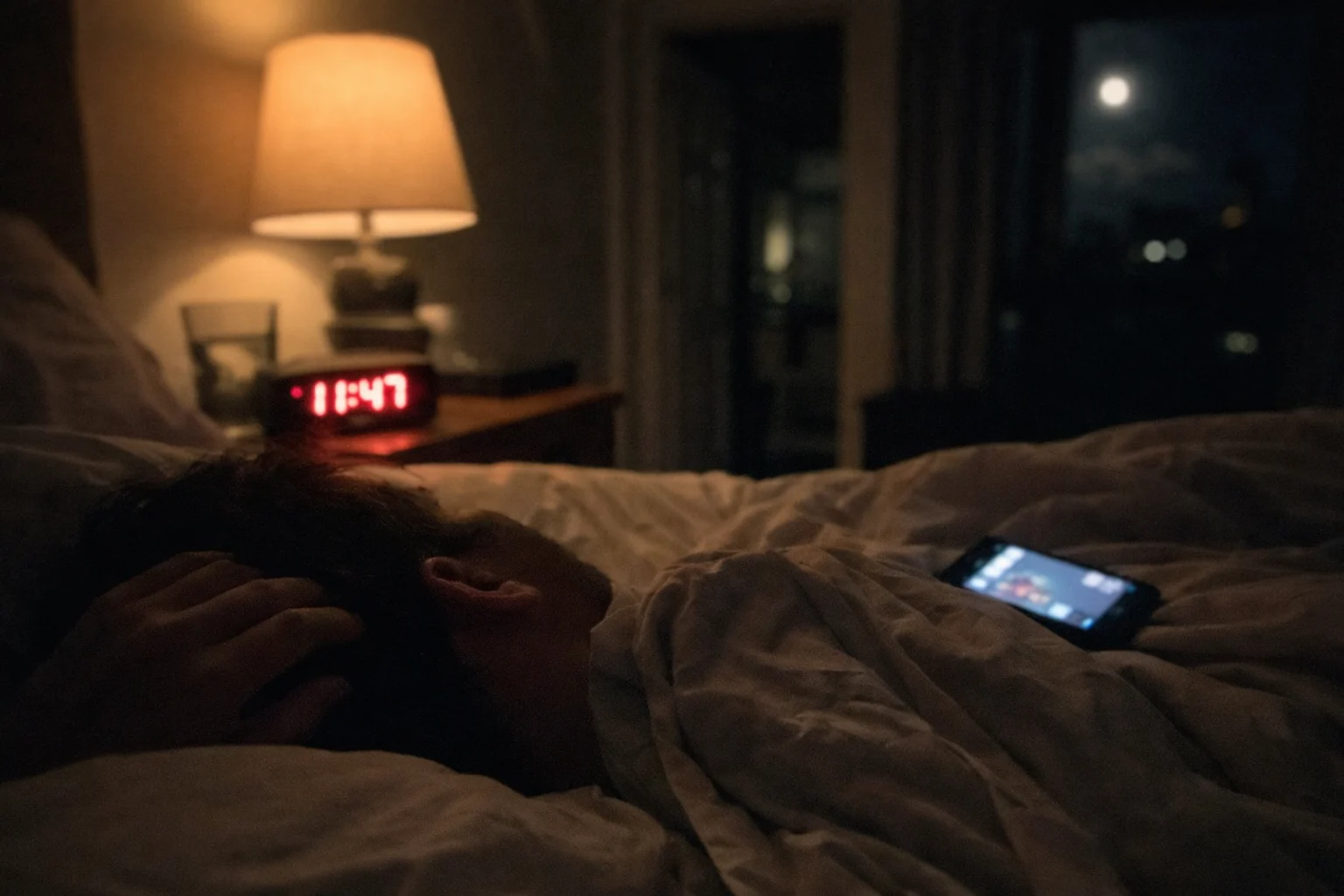
Racing thoughts kept me awake until I tried a simple brain dump before bed. No magic, just a practical way to ease my mind.
Good next steps
Articles are helpful, but daily practice changes what you notice, how you respond, and how grounded you feel.