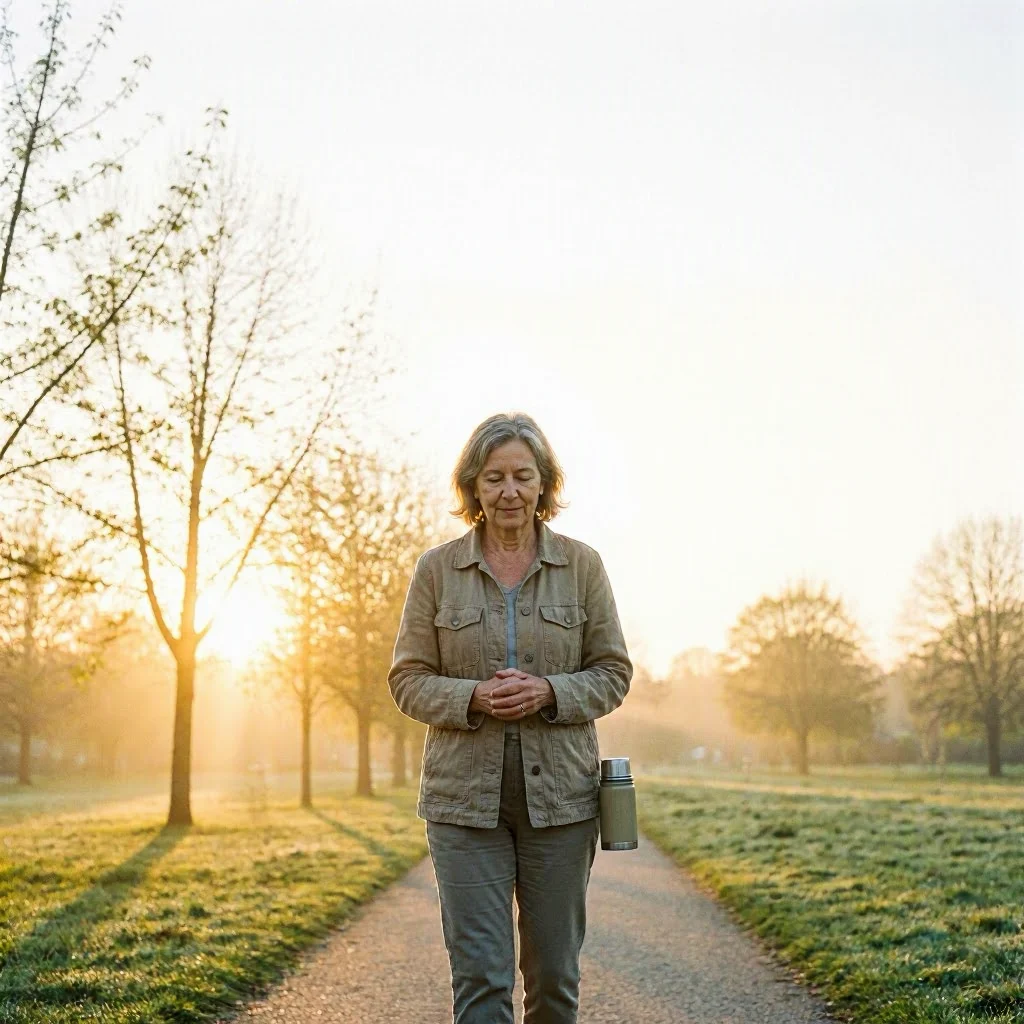
When I first started paying attention to gratitude, I wasn’t coming from a place of perfection or certainty. In fact, I was often stuck in a loop of complaints and restless thoughts. Living in Hungary, I couldn’t help but notice a national habit—complaining seemed almost like a sport, a default way to zero in on what’s missing rather than what’s already here. That attitude rubbed off on me more than I liked, and I had to admit this was a problem if I wanted any peace of mind. So, I became willing to look for a way out. I did some homework—reading, listening, and experimenting—trying to shift my perspective. It’s been a slow, imperfect journey, sometimes with a bitter chuckle at my own grumbling, but I’m sharing what I’ve learned along the way.
How I Began Noticing Gratitude in Everyday Moments
Some days, gratitude sneaks in quietly. I might be rushing through tasks when suddenly a small detail catches my attention—a warm cup of tea, a kind word from a friend, or a breath that feels grounding. These moments don’t erase life’s messiness, but they offer a gentle pause. I’ve realized gratitude isn’t about pretending everything is perfect; it’s more about giving space to the good that often goes unnoticed.
What I Learned About Gratitude and Well-Being
Over time, I saw that gratitude can help balance my emotions and clear mental clutter. Science backs this up, showing that focusing on what we appreciate can trigger brain chemicals like dopamine and serotonin, which support well-being. For me, gratitude hasn’t been a cure-all, but it’s helped me build a steadier mindset when challenges arise. It’s a practice that requires patience and kindness toward myself, especially when old habits of grumbling try to take over.
How I’ve Experienced Gratitude’s Benefits
- Calmer Mind: Noticing what I’m thankful for often quiets the inner critic and brings a bit of peace.
- Stronger Connections: Expressing appreciation to others has deepened relationships in ways I didn’t expect.
- Better Sleep: Reflecting on positive moments before bed helps me release worries and rest easier.
What Helped Me: The "Three Good Moments" Reflection
One practice that stuck with me is jotting down three good moments each evening. They don’t have to be grand—sometimes just a peaceful breath or a kind gesture. Writing them down with a little detail helps me savor those moments instead of letting them slip away. This habit has slowly trained my mind to notice life’s small joys more naturally, even on tough days.
How I Made Gratitude More Personal and Practical
To keep gratitude from feeling like a chore, I started being more specific. Instead of a vague "I’m grateful for my friend," I try to name what exactly touched me, like "I’m grateful my friend listened when I needed it." I also weave gratitude into everyday tasks, like appreciating the warmth of water while washing dishes. Sharing gratitude messages has helped me spread a little positivity without sounding like I’m preaching.
How Gratitude Fits Into My Mindfulness Practice
Gratitude feels like a natural companion to meditation and mindfulness. It invites a gentle awareness of life’s positive moments without expecting constant happiness or perfection. If you’re curious, you might explore more about meditation and gratitude in the Learning Library or begin with the Start Here guide to build a foundation.
A Gentle Note on Starting Gratitude
If you’re new to gratitude, it’s okay to begin small and let the practice grow naturally. There’s no need to force feelings or create pressure—just a simple noticing can open the door to more balance and clarity.
Reflection and Practical Steps You Might Try
Right now, what is one small thing you can acknowledge with gratitude? You might try pausing to notice it and gently appreciating its presence. If it feels right, you could keep a simple journal of three good moments each day. Over time, these little steps helped me find a steadier, kinder way to meet life’s ups and downs.
People Also Ask
- How do I start a gratitude practice? I found that beginning with small daily moments—like three good things before bed—made it manageable and real.
- Can gratitude help with stress? For me, focusing on what’s positive helps calm my mind and balance emotions, though it’s not a quick fix.
- What if I struggle to feel grateful? That’s normal. I remind myself it’s okay to start small and be patient with the process.
Try This Today
Set aside five quiet minutes. Sit comfortably, let your shoulders drop, and ask yourself one simple question: what would help me feel a little more steady today? Don’t look for a perfect answer. Write down the first honest answer that comes. Then choose one small action you can actually do before the day is over.
Next: Read how I used gratitude during moments of uncertainty in Mindfulness During Uncertainty.
FAQ
How do I begin if I feel overwhelmed?
Gratitude becomes more believable when it stays specific. Instead of forcing a feeling of appreciation for life in general, notice one thing that was genuinely good: a conversation, a quiet meal, a problem that did not happen, or a few minutes without pressure. Specific gratitude does not deny what is difficult. It simply prevents difficulty from becoming the only thing that receives attention.
What if this does not work right away?
How often should I practice?
Short and steady is better than long and rare. A few minutes most days can become a quiet support you trust.