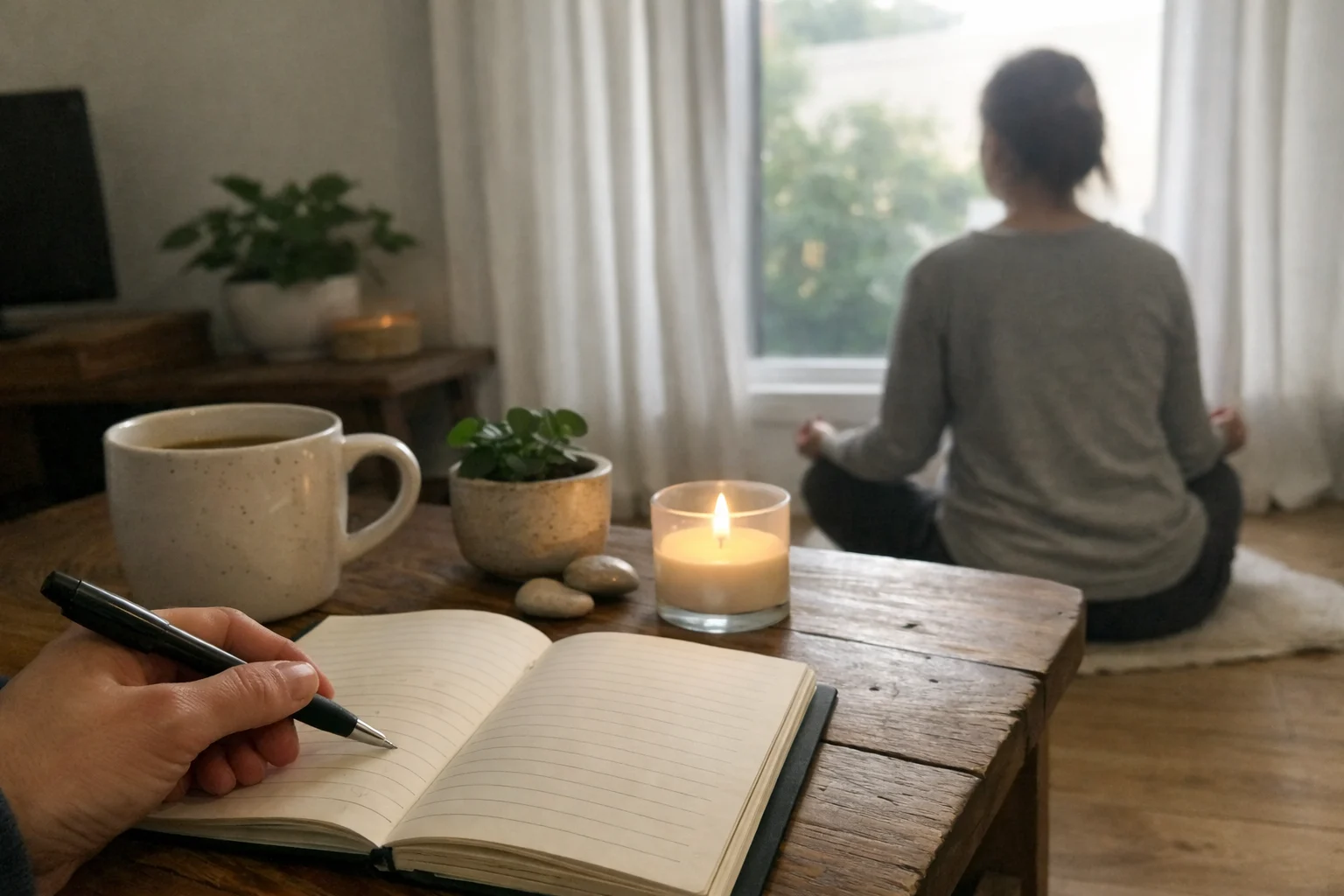
Sometimes I catch myself tangled in the busyness of life, wondering how to slow down without making mindfulness another complicated task. Over time, I found that mindful living became truly useful when I stopped expecting big breakthroughs and instead focused on small, steady steps that helped me notice what really matters. Here’s what helped me begin and keep going.
How I Learned to Notice What Truly Matters
Pausing to ask myself, "What matters most to me right now?" became a simple but powerful habit. I don’t always remember to do it, but when I do, it cuts through distractions and gently guides me toward connection, creativity, or just being present in nature. This question helped me shift from rushing through tasks to tuning into what feels meaningful, even if only for a moment.
Why Small, Consistent Steps Felt More Manageable
I used to think lasting change meant big, dramatic efforts. That felt overwhelming and often led to giving up. What really helped was choosing one small action each day—like reading a few pages, stretching for five minutes, or taking a mindful walk. These felt doable and less intimidating. Even when I missed days, coming back to these small habits helped me build confidence without pressure.
What I Noticed About Nurturing Relationships
Spending time with people who encourage me has been surprisingly grounding. Even brief, genuine conversations lift my mood and remind me I’m not alone. I try to express appreciation regularly—whether it’s a kind message or sharing a laugh. These simple gestures deepened trust and made me feel more connected, which supported my emotional well-being.
How Writing Down Goals Helped Me Stay Focused
Putting intentions on paper made ideas feel more real and doable. I learned to set goals that felt personal and realistic, like improving focus or practicing patience. Breaking them into small milestones and celebrating each one kept me motivated. Visualizing how reaching a goal would feel helped me stay committed, even when progress was slow.
What Practicing Gratitude Taught Me
Noticing three things I appreciate each day shifted my attention toward what’s working instead of what’s missing. It could be a kind word, a peaceful moment, or something that made me smile. Keeping a small notebook for these reflections helped me see how gratitude gradually changed my perspective and built emotional resilience.
How I Learned to Embrace Change as Growth
Change often feels uncomfortable, but I try to approach it with curiosity instead of resistance. Reminding myself, "I am learning and evolving," turns uncertainty into opportunity. When challenges come up, I pause and breathe before reacting. This small moment of awareness helps me respond more thoughtfully instead of impulsively.
Why Offering Myself Compassion Matters
I had to learn that self-kindness isn’t indulgence but essential for growth. When I catch myself being self-critical, I try to acknowledge my effort and gently refocus on learning. Speaking to myself as I would to a friend—with patience and encouragement—helps me stay resilient and motivated, even when progress feels slow.
How I Turn Reflection Into Action
One practice I found helpful is this: find a quiet space, take three slow breaths, and think of one area where I want more balance or mindfulness. Then I write down one small, achievable action to support that intention. Practicing this daily for a week helped me notice subtle shifts in mood and focus. You might try this too—it’s a gentle way to turn reflection into steady movement.
What Mindful Living Means to Me
Mindful living isn’t about getting everything right or changing overnight. It’s about tuning in gently to life and making choices that reflect what truly matters. This creates space to respond thoughtfully rather than react impulsively, which has brought me more calm, clarity, and connection over time.
A Simple Mindfulness Exercise I Use
Setting aside five minutes to sit quietly and focus on my breath has been surprisingly grounding. When my mind wanders, I try to bring my attention back without judgment. This small practice helps me anchor in the present moment and slowly build my mindfulness muscle.
Common Mistakes I’ve Made and What I Learned
- Expecting immediate results: Mindful living takes time. I’ve learned to be patient and gentle with myself.
- Trying to do too much at once: Focusing on one small change at a time feels more sustainable.
- Being self-critical: Kindness toward myself helps me stay consistent and motivated.
People Also Ask
- How can I fit mindfulness into a busy schedule? Even brief moments count. I’ve found mindful breathing during short breaks or bringing awareness to routine tasks like washing dishes can help.
- Is mindfulness the same as meditation? Meditation is one way to practice mindfulness, but mindfulness can also be part of everyday activities without formal sitting.
- How does gratitude relate to mindful living? Gratitude shifts focus toward positivity and supports emotional resilience, complementing mindfulness well.
How I Built My Mindful Practice
Creating a daily practice didn’t have to be complicated. Simple rituals like journaling, meditation, or mindful breathing helped ground my day. If you want practical tips on building your own routine, you might find the Start Here page helpful.
Finding Calm When Life Feels Uncertain
Life’s unpredictability can be overwhelming. When that happens, grounding myself in mindful awareness brings a bit of calm and clarity. For gentle strategies to navigate uncertainty, the Learning Library offers some useful ideas.
Where I Suggest Starting
Taking the first step toward mindful living felt both exciting and daunting for me. If you’re wondering where to begin, visiting the Start Here page might offer practical, approachable guidance to support your journey.
Try This Today: A Simple Mindful Moment
Before you start your day, take three deep breaths. With each breath, silently ask yourself, "What matters most to me right now?" Let your answer be simple and honest. This brief pause can anchor you in clarity and set a gentle intention for the day ahead.
Next: Read how I used these steps during a challenging season in Mindful Living During Stress.
FAQ
How do I begin if I feel overwhelmed?
Mindfulness became easier to understand when it was treated as attention rather than performance. There is no prize for having a perfectly quiet mind. The useful part is noticing that attention wandered and returning to what is happening. That same movement can happen during meditation, a conversation, a walk, or a difficult decision.
What if this does not work right away?
How often should I practice?
Short and steady is better than long and rare. A few minutes most days can become a quiet support you trust.