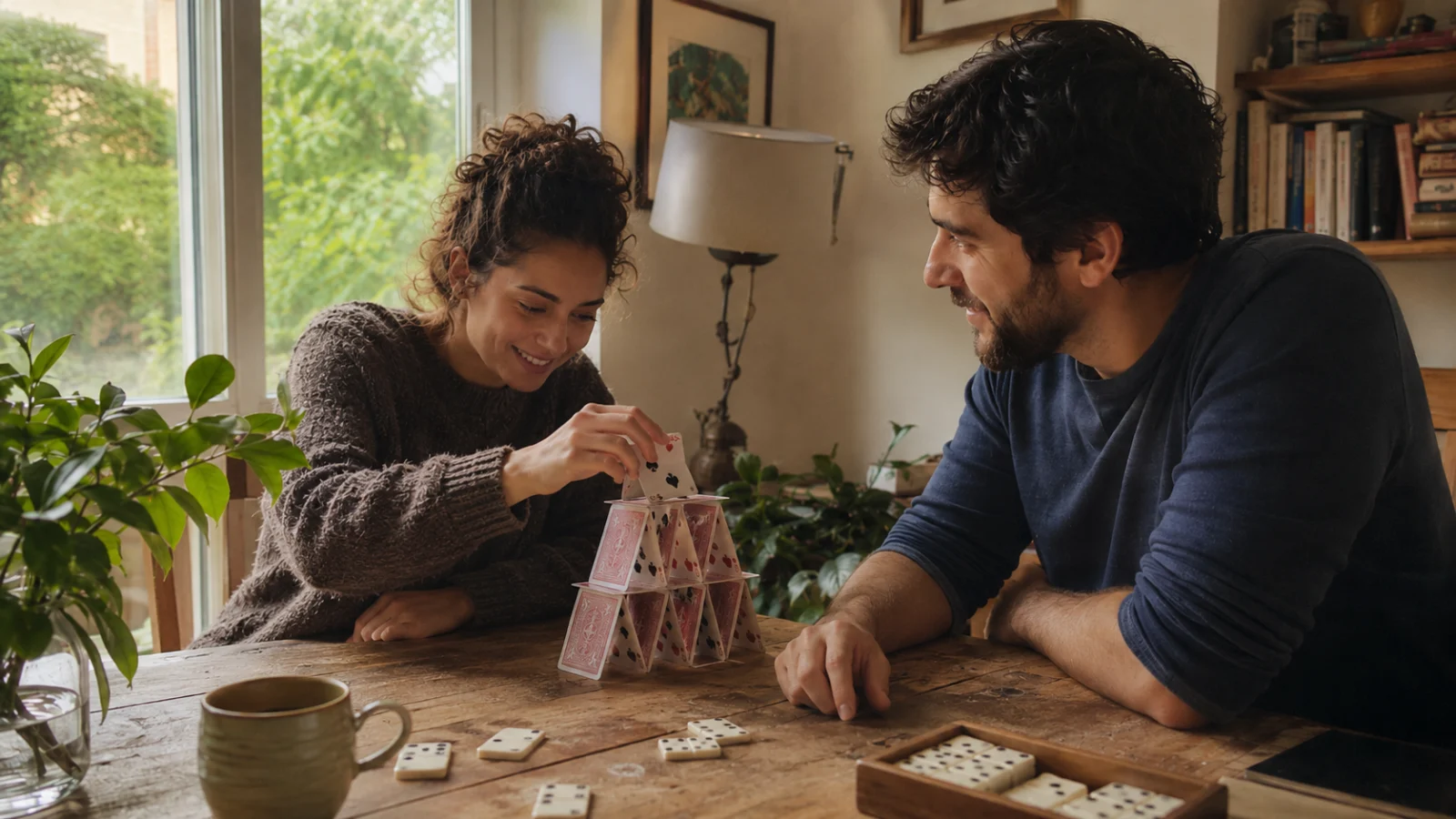
In our busy, often serious lives, it’s easy to forget the simple joy of play and creative expression. Yet these experiences are important for our well-being at any age. Play isn’t just for children—it’s a way to reconnect with ourselves, relieve stress, and nurture mindfulness. I’ve found that intentionally adding moments of play and creativity into daily life brings a grounded sense of joy and presence. It’s less about perfection and more about being fully engaged in the moment.
Understanding Play and Creativity
Play involves activities done purely for enjoyment, without pressure or specific goals. Whether it’s dancing, storytelling, or simply daydreaming, play invites curiosity and lightness. Creativity is about expressing yourself in unique ways—this might be through cooking, crafting, or problem-solving. It’s about letting your imagination guide you, which can lead to new insights and fresh perspectives.
The Mindful Benefits of Play and Creativity
Research shows that playful and creative activities can calm the mind and lift the spirit.
- Stress Reduction: Creative tasks can give your mind a break from worries and lower stress hormones.
- Enhanced Mood: Play can boost feelings of happiness and relaxation.
- Emotional Processing: Creative outlets like journaling or art help make sense of complex feelings in a safe way.
In my own experience, these activities complement meditation by creating a lighter, more open state of mind.
How Play Supports Growth and Connection
Play is more than fun—it’s a teacher. It encourages flexible thinking, resilience, and deepens social bonds through shared experiences. For example, playful problem-solving can inspire creative approaches to everyday challenges. Laughter shared during games strengthens connection and trust. As Brené Brown says, "Play is where courage is born." Embracing play invites us to take risks and be vulnerable in a supportive way.
Practical Reflection: A Moment of Playful Mindfulness
Try this simple exercise to invite playfulness into your day:
- Set a timer for five minutes.
- Choose a small creative activity—doodling, making a silly rhyme, or arranging objects in a new way.
- Focus on the sensations and your imagination without judgment or expectation.
- Notice how your mood or focus shifts during and after this time.
This practice can refresh your mind and help you be more present in everyday moments.
Integrating Play into Your Life
You don’t need special tools or much time. Here are some gentle ways to add playfulness:
- Doodle during breaks or meetings to boost focus.
- Take a spontaneous dance break while preparing a meal.
- Reconnect with childhood favorites like blowing bubbles or board games.
- Collaborate on a creative project with friends or family.
- Allow imperfections and enjoy the process without pressure.
One personal tradition I enjoy is creating handmade cards with simple drawings and inside jokes for my wife. These imperfect creations remind us of our shared joy and connection.
Conclusion: Play as a Path to Mindful Living
Play and creativity are essential companions to mindfulness. They offer ways to be present, build resilience, and deepen meaningful connections. They remind us to approach life with curiosity and heart. Today, give yourself permission to play—however that looks for you. Whether it’s singing in the shower, crafting a playful note, or simply watching the clouds, these moments enrich your mindful journey.
Explore more about meditation and mindful practices in our Start Here section to find simple daily steps you can try.
FAQ
Why is play important for adults?
Play helps reduce stress, sparks creativity, and fosters connection, which supports overall well-being.
Can creativity improve mindfulness?
Yes, creative activities encourage present-moment focus and help process emotions, enhancing mindfulness.
How can I add more play into a busy day?
Try short, simple activities like doodling or a quick dance break to refresh your mind and mood.
Try This Today
Set a timer for five minutes and pick a playful activity—doodle, tell a silly story, or rearrange items around you. Focus on enjoying the moment without judging the outcome. Notice how this small break affects your mood and focus.
Why This Matters
A More Grounded Way to Practice
One Small Step Forward
Why Play and Creativity Matter for Mindfulness
When life feels heavy or overwhelming, play and creativity offer a gentle way to reconnect with the present moment. They invite curiosity and kindness toward ourselves, which is at the heart of mindfulness. These activities aren’t about achieving or producing—they’re about being fully alive in the experience.
Try This Today: A Simple Playful Pause
Set aside five minutes today for a playful pause. Choose something light and enjoyable—perhaps doodling a pattern, making up a short story, or even just moving your body in a way that feels fun. Let go of any expectations. Notice how this small break shifts your energy and awareness.
Common Mistakes When Embracing Play
- Overthinking the outcome: Play isn’t about creating something perfect or useful. It’s about the process.
- Setting rigid rules: Too much structure can stifle the freedom that makes play refreshing.
- Waiting for the “right” time: Play can be woven into everyday moments, even brief ones.
Frequently Asked Questions
- Can adults really benefit from play and creativity?
- Absolutely. Play and creativity help adults reduce stress, improve mood, and foster mindfulness, just as they do for children.
- What if I don’t feel creative?
- Creativity isn’t about talent. It’s about exploring and expressing yourself in ways that feel natural and enjoyable to you.
- How does play relate to meditation?
- Play can complement meditation by opening the mind and heart, making it easier to be present without judgment. You might find meditation for real life helpful to explore this connection further.
Bringing It All Together
Adding moments of play and creativity into your routine is a simple yet powerful way to nurture mindfulness and well-being. If you’re curious about deepening your practice, exploring finding inner peace when life feels uncertain or practical visualization can offer supportive tools.
If you’re ready to start, visit our Getting Started page for gentle guidance on making mindfulness a natural part of your life.