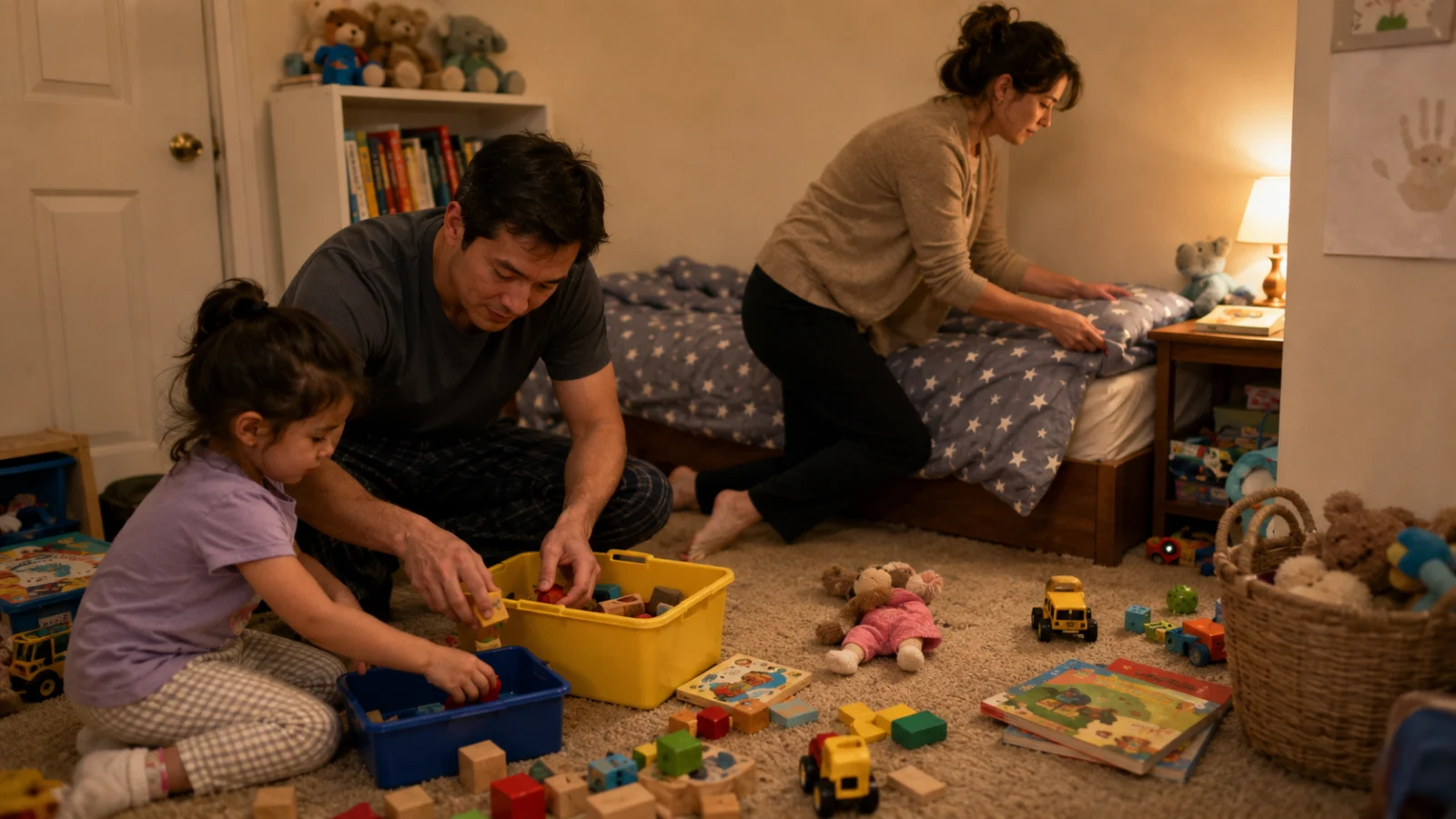
The Importance of Early Childhood Connection
The first six years of a child’s life form a foundational period rich with neural growth and emotional development. During this time, attentive and present caregiving helps nurture pathways that support empathy, problem-solving, and emotional balance.
From my personal experience, those early moments spent exploring nature and sharing stories with my daughter laid the groundwork for her lifelong curiosity and adaptability. Though life later took us in different directions, the connection we built during those years continues to resonate deeply.
What Does Mindful Parenting Mean?
Mindful parenting centers on being fully present with your child—embracing each moment with openness and compassion. It involves:
- Awareness: Noticing your child’s emotions and your responses without distraction.
- Non-judgment: Accepting experiences as they are, free from labeling.
- Responsiveness: Choosing calm, thoughtful reactions over impulsive ones.
This approach encourages emotional intelligence and models healthy self-regulation for children.
Practical Strategies to Foster Mindfulness Early On
Engage Their Senses: Take walks outdoors and invite your child to notice sounds, sights, and smells. Asking questions like, “What do you hear?” encourages curiosity and presence.
Mindful Play: Introduce simple exercises such as “breathing like a frog” to teach calmness or use “gratitude stones” to highlight daily joys.
Pause and Breathe: When challenges arise, pause together to take three deep breaths before responding. This models emotional regulation in real time.
Focused Listening: Put away devices and give your full attention. Acknowledge feelings with gentle phrases like, “I see you’re feeling upset. Let’s work through this together.”
Create Connection Rituals: Share daily highlights and challenges during meals or express gratitude before bedtime to cultivate security and reflection.
Reflection Exercise: The Pause and Breathe Practice
Next time you notice tension or frustration in a parenting moment, pause with your child and take three slow, mindful breaths together. Observe how this simple act can create space for calm and thoughtful interaction. Over time, this practice can build emotional resilience for both you and your child.
Stefan’s Perspective on Mindful Parenting
After decades practicing mindfulness and meditation, I’ve found that the greatest gift we can offer children is our presence. It’s not about perfection or having all the answers, but about showing up with patience, curiosity, and openness. These qualities nurture confidence and adaptability that support children throughout life’s changes.
Mindful parenting is a journey, one that honors both child and parent as learners and explorers.
Explore More
For guidance on cultivating mindfulness in your own life, visit our Meditation section. New to mindfulness? Start with our Start Here page for foundational practices.
Why Connection Matters in Early Childhood
Building a strong connection during the early years sets the stage for your child’s emotional and social growth. When children feel seen and heard, they develop trust and confidence. This foundation supports their ability to navigate challenges and form healthy relationships later in life.
How Curiosity Fuels Learning and Growth
Curiosity is a natural part of childhood. Encouraging your child’s questions and exploration helps them develop a love of learning. When you respond with openness and interest, you validate their experiences and promote creativity.
Try This Today: A Simple Curiosity Ritual
During a daily walk or playtime, pick one object or sound and explore it together. Ask your child what they notice and share your own observations. This small practice invites mindfulness and strengthens your bond.
Common Mistakes in Mindful Parenting
- Expecting Perfection: Mindful parenting is about presence, not flawless behavior. It’s okay to make mistakes and learn along the way.
- Multitasking During Interaction: Divided attention can make children feel unheard. Try to minimize distractions when spending time together.
- Forgetting Self-Compassion: Your own well-being affects your parenting. Practicing kindness toward yourself helps you stay patient and grounded.
Frequently Asked Questions
- How can I stay present when life feels busy?
- Start with small moments—like focused listening during a meal or a shared breath before bedtime. Over time, these add up to a more mindful connection.
- What if my child resists mindfulness activities?
- Follow their lead and keep activities playful and brief. Mindfulness is about curiosity, not forcing participation.
- Can mindful parenting help with tantrums?
- Yes. Pausing to breathe and acknowledge feelings models emotional regulation, which children gradually learn to apply themselves.
Further Resources to Support Your Journey
If you’re interested in deepening your practice, exploring meditation for real life can offer practical tools for staying grounded. Incorporating a gratitude practice for real life can also nurture positivity in your family dynamic.
Ready to Begin?
Mindful parenting is a journey of connection and discovery. If you’re curious about how to start or want guidance tailored to your family, visit our Start Here page. Together, we can explore simple, meaningful ways to bring presence and joy into your parenting.
FAQ
How long should I practice this each day?
What if my mind keeps wandering?
That is normal. The practice is to notice when you have drifted and return with patience.
Do I need special experience to begin?
No. A sincere pause, a few conscious breaths, and a willingness to begin are enough.