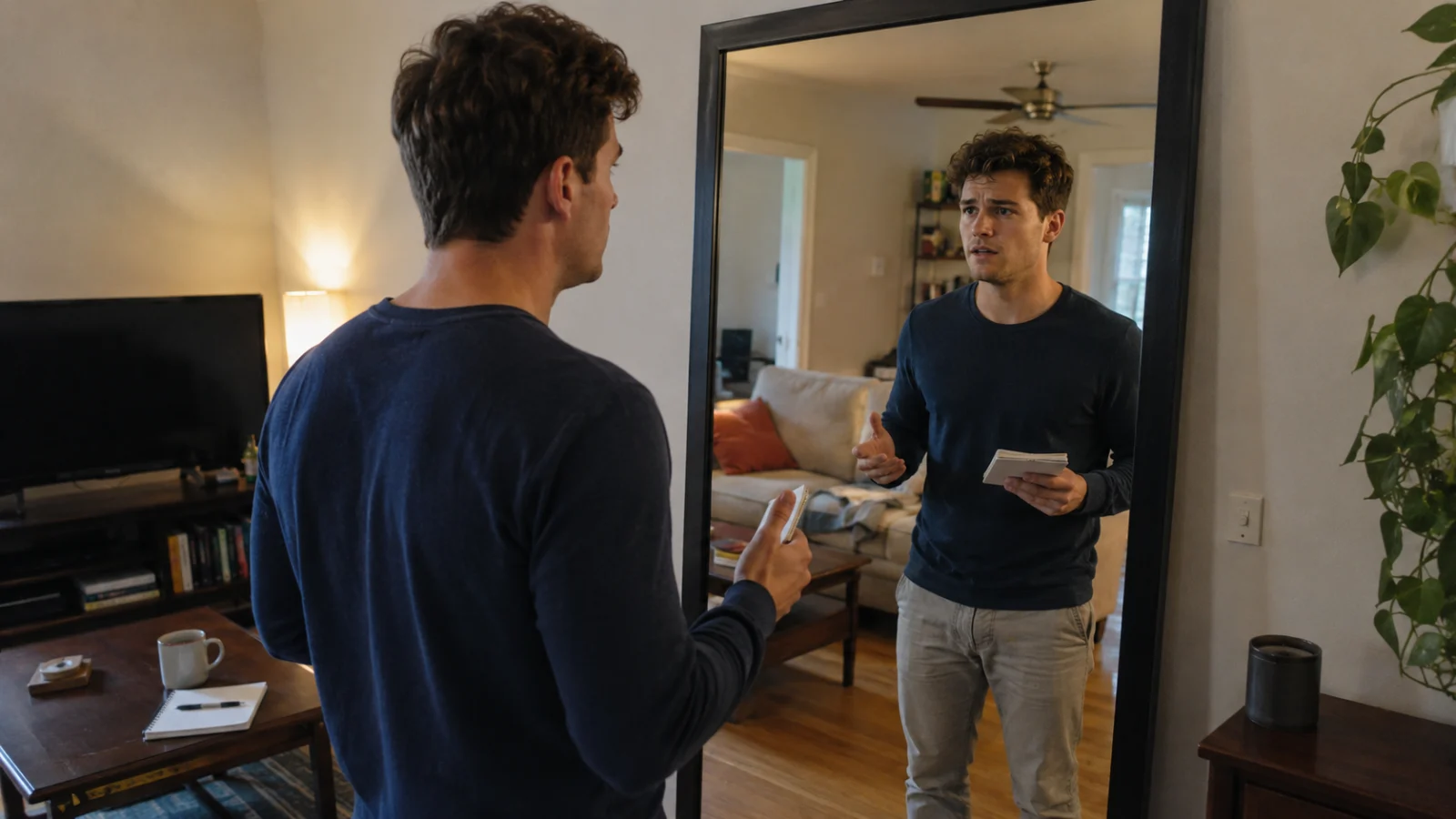
Confidence is often seen as something you either have or don’t. But I’ve learned it’s a skill you can develop. It starts with small, deliberate steps that help you expand your comfort zone bit by bit. My own experience began when I faced the challenge of public speaking. I realized nervousness is normal, but choosing to act anyway helped me change how I felt and what I could do.
The Power of Small Wins
Building confidence doesn’t mean making huge leaps. It’s about consistent small actions. For example, practicing a short speech in front of a mirror or starting a brief conversation. These small wins create positive momentum and help you feel more capable.
- Set Micro-Goals: Break big challenges into small, manageable tasks.
- Use Daily Affirmations: Simple phrases like “I am capable” can shift your mindset.
- Celebrate Progress: Notice and appreciate your efforts, no matter how small.
Visualization and Mindful Preparation
One technique that helped me is visualization, a key part of the Silva Method. Before a speaking event or any challenge, I close my eyes and imagine myself calm and confident. This mental rehearsal eases anxiety and prepares me.
Along with visualization, preparing well is important. Outlining your points, practicing out loud, and paying attention to your posture can make a big difference. I also learned to see nervous energy as a sign I care, not something to fear.
Practical Exercise: The Confidence Visualization
- Find a quiet spot and sit comfortably.
- Close your eyes and take a few deep breaths to relax.
- Picture an upcoming situation where you want to feel confident — a meeting, presentation, or social event.
- See yourself acting with calm and clarity.
- Imagine positive responses from others.
- Repeat a quiet affirmation like “I am prepared and capable.”
- Open your eyes and carry this calm focus with you.
Daily Habits for Steady Growth
Confidence grows with daily habits. I suggest keeping a gratitude journal to focus on the positive and asking trusted friends for gentle feedback. Taking small risks, like starting a conversation, helps stretch your comfort zone over time.
Using a journaling app to track your thoughts and progress can also support your growth.
Embracing Authenticity and Imperfection
Confidence isn’t about being perfect. It’s about being yourself and showing up fully. When mistakes happen, smiling and moving on connects you with others more than flawless performance does. Shifting your focus from “What do they think of me?” to “How can I contribute?” can turn anxiety into purpose.
My Ongoing Journey
Even now, I continue to explore these mindful approaches and share what I learn. Creating and sharing content has been a rewarding part of my confidence-building path, even though I had no social media experience before.
Remember, confidence builds one step at a time. Your small actions today help you feel steadier and more present tomorrow.
Try This Today
Pick one small action to build your confidence. It could be practicing a short speech, writing a positive affirmation, or starting a brief conversation. Notice how it feels and celebrate that step. Small moves add up over time.
FAQ
Can anyone build confidence?
Yes. Confidence is a skill that anyone can develop with practice and patience.
How long does it take to feel more confident?
It varies, but regular small steps and mindful practice can help you notice changes within weeks.
What if I feel nervous all the time?
Nervousness is normal. Try reframing it as energy that shows you care, and use visualization to prepare yourself.
Where can I learn more about these techniques?
You can start with the Start Here guide on this site for simple steps and resources.
Why This Matters
A More Grounded Way to Practice
One Small Step Forward
Why Confidence Matters in Everyday Life
Confidence isn’t just for big moments like presentations or interviews. It influences how we approach daily tasks, interact with others, and handle challenges. Building confidence gradually helps you feel more grounded and capable in real life.
How to Start Small and Keep Going
It’s easy to get overwhelmed by the idea of “being confident.” Instead, focus on tiny steps. For example, greeting a colleague warmly, trying a new hobby, or simply making eye contact. These small actions add up and build a foundation.
Try This Today: A Simple Confidence Boost
Take five minutes to do the confidence visualization exercise described earlier. Find a quiet spot, breathe deeply, and picture yourself handling a situation with calm and clarity. This practice can be a gentle reminder of your inner strength.
Common Mistakes When Building Confidence
- Waiting for the “right” moment: Confidence grows through action, not waiting.
- Comparing yourself to others: Everyone’s journey is unique; focus on your progress.
- Expecting perfection: Mistakes are part of learning and connecting authentically.
Frequently Asked Questions
Can confidence really be learned?
Yes, confidence is a skill that develops with practice and patience. Small, consistent steps help it grow naturally.
What if I feel nervous all the time?
Nervousness is normal and shows you care. Learning to acknowledge it without letting it stop you is key. Visualization and preparation can help ease those feelings.
How do I stay confident when things don’t go as planned?
Remember that setbacks are part of the process. Embracing imperfection and focusing on what you can learn helps maintain steady growth.
Next Steps on Your Journey
If you’d like to explore more practical ways to cultivate calm and confidence, check out Meditation for Real Life. For moments when life feels uncertain, Finding Inner Peace When Life Feels Uncertain offers gentle guidance. And if you’re curious about setting intentions without pressure, Manifestation Without Magical Thinking might resonate with you.
Ready to take the next step? Start here to find simple, grounded practices that fit your life.