Human-reviewed summary and review
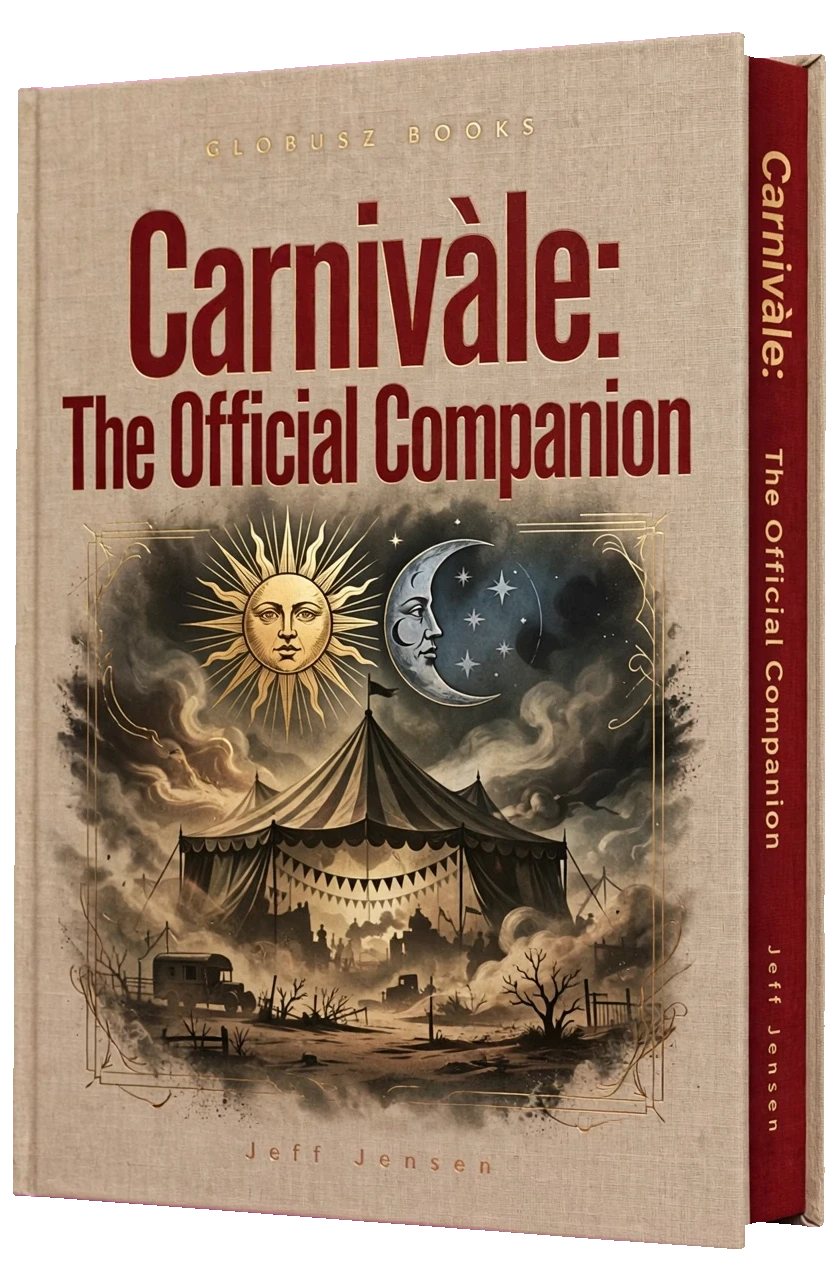
Carnivàle: The Official Companion by Jeff Jensen — Summary & Review
Jeff Jensen · English
Jeff Jensen’s companion book dives deep into the tangled mythology and dusty 1930s backdrop of HBO’s "Carnivàle." It’s not just a guide but a detailed exploration of the show’s religious symbolism and production challenges. If you’re ready to move beyond surface-level spoilers, this is your backstage pass to the carnival’s secrets.
Read the summary first
The short version: If you found yourself tangled in "Carnivàle’s" web of dust, mystery, and myth, this companion is the map you didn’t know you needed. It’s not light reading, but it’s the kind of book that rewards patience and curiosity. Just remember, it’s less about holding your hand and more about handing you a flashlight for the dark corners the show left unexplored.
Stefan's verdict: Worth considering for Fans of "Carnivàle" who want to deepen their understanding of its complex story and symbolism.; less useful if Casual viewers unfamiliar with or uninterested in "Carnivàle.".
3 min review466 wordsOriginal book: Introductory
Critical ThinkingMedia LiteracyHistorical AwarenessReligious SymbolismNarrative Complexity
Globusz Books summary
What the book is about
If you caught "Carnivàle" on HBO back in the early 2000s, you know it wasn’t exactly your typical TV fare. It’s a slow-burn, dense tapestry of Depression-era gloom, mystical battles, and carnival oddities. Jeff Jensen’s "Carnivàle: The Official Companion" is the kind of book that steps in when you want to stop squinting at the screen and start understanding what the heck you’re watching.
This isn’t just a recap or a glorified episode guide. Jensen’s book opens up the dusty tent flaps to reveal the creative chaos and deep thematic stew simmering behind the scenes. He chats with the cast and crew, giving us the inside scoop on what it was like to bring this strange, ambitious story to life. You get the gritty details of production, the challenges of shooting a show drenched in dust and shadows, and the artistic choices that made "Carnivàle" feel like a living, breathing myth.
But where the book really shines is in its dive into the series’ layered mythology. "Carnivàle" isn’t just about a traveling circus and a preacher with a dark side. It’s a sprawling allegory rooted in religious symbolism, Gnostic philosophy, and even some Masonic lore. Jensen breaks down how the eternal showdown between good and evil plays out through the characters of Ben Hawkins and Brother Justin Crowe, with all the moral ambiguity and mysticism that makes the show such a brain-twister.
The companion also situates the show firmly in its historical context—the 1930s Dust Bowl and Great Depression aren’t just backdrops but integral to the mood and meaning. The economic despair, the desperation of the era, and the surreal American landscape all feed into the narrative’s eerie atmosphere.
This book isn’t for the casual viewer who just wants to know what happened next. It assumes you’ve at least dipped your toes into "Carnivàle’s" murky waters. But for those willing to wrestle with its complexity, Jensen provides a treasure trove of information: detailed episode guides, character insights, and thematic explorations that go well beyond surface-level analysis.
That said, the book’s laser focus on mythology and symbolism might leave some readers wishing for more on character arcs or production hiccups. It’s less a behind-the-scenes tell-all and more a thoughtful dissection of why the show ticked the way it did, and what it was trying to say beneath all the dust and fire.
In the end, "Carnivàle: The Official Companion" is a must-have for anyone who found themselves hooked on the show’s strange mix of history, spirituality, and carnival weirdness. It’s a deep dive into the storytelling guts of a show that dared to be different—and got cut short before it could fully unravel its mysteries. If you want to appreciate the ambition and craftsmanship behind one of HBO’s most enigmatic series, this companion is your backstage pass.
Beyond the summary
What might this book awaken in you?
If you found yourself tangled in "Carnivàle’s" web of dust, mystery, and myth, this companion is the map you didn’t know you needed. It’s not light reading, but it’s the kind of book that rewards patience and curiosity. Just remember, it’s less about holding your hand and more about handing you a flashlight for the dark corners the show left unexplored.
Before you commit
Why you might read this
Jeff Jensen’s companion book dives deep into the tangled mythology and dusty 1930s backdrop of HBO’s "Carnivàle." It’s not just a guide but a detailed exploration of the show’s religious symbolism and production challenges. If you’re ready to move beyond surface-level spoilers, this is your backstage pass to the carnival’s secrets.
Spoiler sensitivity: lowThis is a nonfiction summary.
Themes worth noticing
Good vs. Evil
The series—and the companion—explore this age-old battle not as black and white but as a murky, morally ambiguous struggle played out through its characters and their destinies.
Mythology and Religion
Christianity, Gnosticism, and secret societies form a symbolic backbone, enriching the narrative with layers of spiritual and philosophical meaning.
Historical Despair
The Great Depression isn’t just a backdrop; it’s a living, breathing force that shapes the characters’ realities and the show’s bleak atmosphere.
Fate and Free Will
Questions about destiny versus choice run throughout the story, challenging viewers to consider how much control the characters—and we—really have.
Key ideas, explained
Peeling back the layers of a complex mythos
The book unpacks how "Carnivàle" weaves together Christianity, Gnosticism, and Masonic symbols to tell a story about the eternal battle between good and evil. It highlights how these themes aren’t just decorative but central to understanding the characters and plot.
The Great Depression as a character
Far from just a setting, the 1930s economic and social despair shapes the show’s tone and narrative. The companion explores how the era’s harsh realities influence the characters’ motivations and the story’s atmosphere.
Behind the curtain: production insights
Through interviews and insider details, the book reveals the challenges and creative decisions involved in bringing such a visually and narratively ambitious series to life.
The struggle to balance myth and storytelling
Jensen discusses how the show’s dense symbolism sometimes clashed with pacing and character development, reflecting the tightrope walk between crafting a compelling plot and exploring deep themes.
A resource for fans and scholars alike
By combining episode guides with thematic analysis and interviews, the companion serves both casual fans wanting clarity and academics interested in television’s narrative complexity.
How to Use This Book in Real Life
Don’t shy away from complexity
If you’re drawn to stories with layered symbolism and historical context, embrace the challenge rather than expecting spoon-fed explanations. This book encourages digging deeper to appreciate such narratives fully.
Context matters
Understanding the historical and cultural backdrop of a story can transform your viewing experience. Consider how the Great Depression shapes the characters’ worldviews and actions in "Carnivàle."
Look beyond the plot
Sometimes, a show’s real story lies in its themes and mythologies rather than straightforward events. Use this companion as a model to explore what lies beneath the surface of other complex narratives.
Value insider perspectives
Interviews with creators and cast can reveal the ‘why’ behind creative choices, helping fans see the human effort and intention behind the final product.
Patience is a virtue with slow-burn storytelling
Shows like "Carnivàle" demand time and attention. This book reminds readers that sometimes the payoff is in the journey, not the immediate plot twists.
What the book does especially well
- Comprehensive exploration of the show’s mythology and themes, offering depth beyond typical companion books.
- Includes firsthand interviews that provide personal insights into production and creative decisions.
- Detailed episode guides help readers navigate a notoriously complex narrative.
- Places the series firmly within its historical context, enriching appreciation of its setting and mood.
- Balances scholarly analysis with accessible language, making it useful for both fans and academics.
Where the book gets shaky
- Assumes readers have prior familiarity with the show, which could alienate newcomers.
- Focuses heavily on mythology and thematic analysis, sometimes at the expense of character development discussion.
- Lacks critical examination of the show’s reception and broader impact on television storytelling.
- Might feel dense or overly detailed for casual readers not invested in deep dives.
- Because it was published shortly after season two, it can’t cover the series’ abrupt cancellation and its aftermath.
Questions to carry with you
- How does understanding a story’s historical context change the way you interpret its characters and themes?
- What’s the value of wrestling with ambiguity and complexity in storytelling rather than seeking clear answers?
- How do symbols and mythology deepen or complicate a narrative?
- In what ways can production challenges shape the final form of a TV series?
- Why do some stories resist neat conclusions, and how should viewers respond?
The bottom line
If you found yourself tangled in "Carnivàle’s" web of dust, mystery, and myth, this companion is the map you didn’t know you needed. It’s not light reading, but it’s the kind of book that rewards patience and curiosity. Just remember, it’s less about holding your hand and more about handing you a flashlight for the dark corners the show left unexplored.
Reader feedback
Was this summary useful?
Rate the Globusz summary of Carnivàle: The Official Companion, not the book itself.
Loading reader ratings…
Explore the theme
More books about meaning
Continue the journey
Read the original when you are ready.
The full companion offers a rare behind-the-scenes look at one of television’s most enigmatic series, capturing the voices of the people who made it and the ideas that drove it. It’s more than just a fan’s guide—it’s an invitation to wrestle with the show’s dense symbolism and historical texture. If you want to appreciate "Carnivàle" beyond its surface and understand why it remains a cult favorite despite its short run, this book is the best way in. Plus, the detailed episode breakdowns and interviews provide context you won’t find in online forums or casual recaps.
Read the original if: you want the evidence, stories, examples, nuance, and full argument in the author's own voice.
The summary may be enough if: you only need the central framework or want to decide whether this book suits you.
Is this worth your time if you…?
Fans of "Carnivàle" who want to deepen their understanding of its complex story and symbolism.
Found an error or outdated detail? Contact Stefan with a correction.