Human-reviewed summary and review
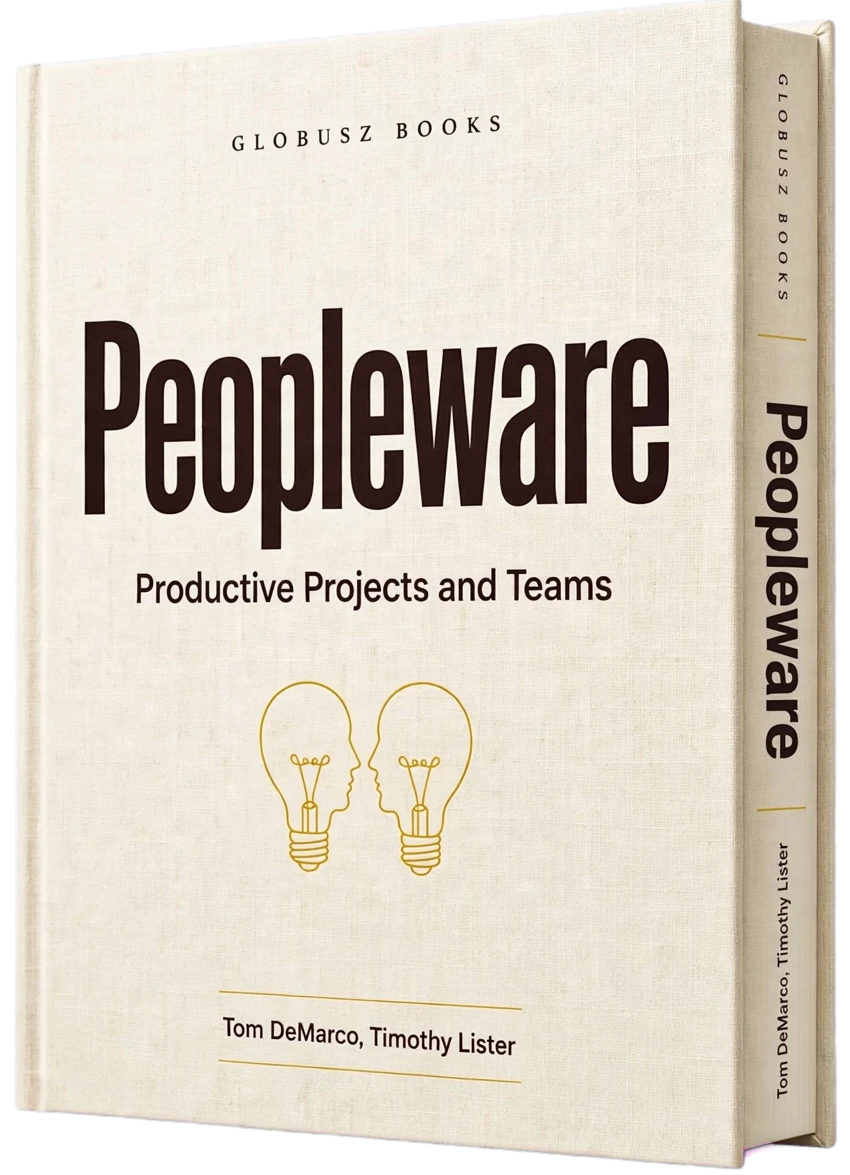
Peopleware: Productive Projects and Teams by Tom DeMarco, Timothy Lister — Summary & Review
Tom DeMarco, Timothy Lister · English
Software projects don’t fail because the code is hard or the tech is flaky. They fail because humans are messy, unpredictable, and frankly, underappreciated. "Peopleware" is the rare management book that actually gets this—putting people before processes, and reminding us that the biggest bottleneck in tech isn’t the server, it’s the human brain.
Worth reading
The short version: Peopleware reminds us that software projects are human projects. No amount of technology or process can substitute for a team that trusts each other, has space to focus, and feels respected. It’s a blunt, refreshing antidote to the endless parade of management hype that ignores the messy reality of people at work.
Stefan's verdict: Worth considering for Software development managers and team leads struggling with team performance or morale.; less useful if Readers seeking detailed technical management frameworks or methodologies..
3 min review563 wordsOriginal book: Introductory
Workplace CultureTeam ProductivityLeadershipSoftware DevelopmentOrganizational Behavior
Globusz Books summary
What the book is about
Tom DeMarco and Timothy Lister’s "Peopleware: Productive Projects and Teams" is less about code and more about the human chaos behind it. Since its first edition in 1987, this book has been a quiet revolution in software management, arguing that the real blockers to project success are not technical but sociological. If you think throwing more tools, tighter schedules, or stricter oversight will fix your team’s woes, think again. The authors make a compelling case that it’s the people—how they work together, how they’re managed, and the environment they’re stuck in—that dictate outcomes.
The core argument is simple: software development is a human endeavor, and ignoring that fact is the fastest way to tank a project. DeMarco and Lister introduce “peopleware” to spotlight the human side of tech work, which is often overshadowed by buzz about methodologies and frameworks. They dive into team dynamics, spotlighting how cohesion and trust trump rigid processes. Interruptions, open office chaos, and poor workspace design aren’t just annoyances; they’re productivity killers. The book champions the need for "flow time"—long, uninterrupted blocks where developers can immerse themselves without constant distractions.
Forget the myth of the lone genius coder. The authors emphasize that great software emerges from teams that gel well, where communication flows naturally and psychological safety lets people speak up without fear. Leadership styles that micromanage or treat people like cogs are called out as toxic. Instead, managers should create conditions where teams feel ownership and pride in their work.
Employee turnover is another silent killer. The book details how losing team members is costly not just financially but in lost momentum and morale. High turnover often signals deeper cultural or managerial issues that no amount of tech wizardry can fix.
The authors don’t pretend to offer a silver bullet. Instead, they provide a series of observations backed by real-world examples and case studies. Some anecdotes feel a bit dated—after all, open offices and remote work have evolved since 1987—but the core principles hold up. The updated 2013 edition adds fresh chapters addressing modern challenges, but the heart of the message remains: treat your people like humans, not resources.
"Peopleware" also critiques common corporate policies that stifle creativity and collaboration. The authors warn against over-planning, excessive meetings, and rigid hierarchies that kill momentum. They argue for a workplace design that respects privacy and focus, pushing back against the open-plan fad that’s supposed to “boost collaboration” but often just invites noise and distraction.
At its best, the book is a blunt reminder that software management is not about managing tasks but about managing people—complex, flawed, brilliant people. It’s a wake-up call for anyone who’s ever thought a new tool or process could magically fix a dysfunctional team.
The writing style is clear, direct, and often laced with dry humor, making it accessible even if you’re not a management wonk. It’s peppered with anecdotes that make the lessons stick without feeling like a textbook. The book’s longevity and continued relevance speak to its foundational insights.
If you’re a software manager, team lead, or developer who’s tired of hearing that the latest Agile fad will solve everything, "Peopleware" offers a refreshing dose of reality. It’s practical without being simplistic, skeptical without being cynical. And it reminds us that the messy, unpredictable human element is not a problem to be solved but the very thing that makes software creation possible—and sometimes magical.
Beyond the summary
What might this book awaken in you?
Peopleware reminds us that software projects are human projects. No amount of technology or process can substitute for a team that trusts each other, has space to focus, and feels respected. It’s a blunt, refreshing antidote to the endless parade of management hype that ignores the messy reality of people at work.
Before you commit
Why you might read this
Software projects don’t fail because the code is hard or the tech is flaky. They fail because humans are messy, unpredictable, and frankly, underappreciated. "Peopleware" is the rare management book that actually gets this—putting people before processes, and reminding us that the biggest bottleneck in tech isn’t the server, it’s the human brain.
Spoiler sensitivity: lowThis is a nonfiction summary.
Themes worth noticing
Human-Centered Management
Prioritizing people over processes and technology as the key to successful projects.
Work Environment Impact
How physical and cultural workspace design influences productivity and morale.
Team Dynamics and Trust
The critical role of cohesion, communication, and psychological safety in team success.
Leadership as Enabler
Shifting from control to support and empowerment in managing teams.
Key ideas, explained
People Problems Trump Technical Problems
Most software project failures aren’t due to bad code or tech hurdles but poor team dynamics, management, and environment. Fixing human factors is the real challenge.
Flow Time Is Sacred
Developers need long, uninterrupted periods to focus deeply. Constant meetings, noise, and interruptions kill productivity far more than most managers realize.
Team Cohesion Beats Process
A well-bonded team with trust and open communication outperforms teams that rely solely on rigid methodologies or tools.
Workspace Matters More Than You Think
Physical and cultural workspace design—privacy, noise levels, surroundings—has a huge impact on morale and productivity.
Leadership Should Enable, Not Micromanage
Good managers create conditions for teams to succeed rather than controlling every move. Ownership and respect fuel better results.
How to Use This Book in Real Life
Protect Your Team's Focus
Block off large chunks of time where developers can work without meetings, emails, or interruptions. Treat flow time like a non-negotiable resource.
Invest in Team Building
Create opportunities for genuine connection and trust-building among team members. This isn’t fluff—it’s the foundation of productivity.
Design Workspaces Thoughtfully
Rethink open office layouts that prioritize visibility over quiet and privacy. Small changes like quiet zones or private rooms can make a big difference.
Avoid Over-Management
Give your team autonomy and avoid micromanaging. Focus on removing blockers and providing support instead of constant oversight.
Track Turnover as a Warning Sign
High employee churn usually signals deeper issues. Use it as a diagnostic tool to improve culture and management practices.
What the book does especially well
- Focuses on the human side of software development, a topic often ignored in favor of technical fixes.
- Clear, direct writing with practical examples and anecdotes that make complex ideas relatable.
- Timeless core principles that remain relevant despite changes in technology and work culture.
- Challenges conventional management wisdom, encouraging skepticism of fads and hype.
- Addresses both team dynamics and environmental factors, offering a holistic view.
Where the book gets shaky
- Some examples and anecdotes feel dated given changes in workplace norms and technology since the 1980s.
- Not a step-by-step manual; the advice is often conceptual rather than prescriptive.
- Focuses primarily on software development teams, so some insights may not fully translate to other industries.
- May underplay the complexity of implementing cultural change in large or bureaucratic organizations.
Questions to carry with you
- Are your tech problems really people problems in disguise?
- How much uninterrupted focus time do your teams actually get?
- What does your workspace say about how you value your team?
- Are you enabling your team or micromanaging them?
- What does your employee turnover rate reveal about your culture?
The bottom line
Peopleware reminds us that software projects are human projects. No amount of technology or process can substitute for a team that trusts each other, has space to focus, and feels respected. It’s a blunt, refreshing antidote to the endless parade of management hype that ignores the messy reality of people at work.
If this idea interested you
Related books, with a reason to choose each one.
A different perspective on the same shelfEthical Machines: The Role of Ethics in AI and Machine LearningWendell Wallach
Machines are getting smarter, but do they know right from wrong? Wendell Wallach isn’t just asking if AI can make ethical decisions—he’s digging into how and whether we should even let them try. This isn’t sci-fi daydreaming; it’s a messy, urgent conversation about the moral code behind the algorithms shaping our lives.
Read the summary & review →A useful follow-up for exploring the subject furtherProgramming PearlsJon BentleyProgramming isn’t just banging out lines of code until something works. Jon Bentley’s "Programming Pearls" throws you right into the gritty reality that good programming is about crafting clever, efficient solutions—pearls, if you will—out of messy problems. This book doesn’t hand you magic spells or trendy frameworks; it forces you to think like a problem solver, not a code monkey.
Read the summary & review →Another entry point into this categoryAlgorithms UnlockedThomas H. CormenAlgorithms are the unseen engines running everything from your GPS to your online bank. But if the word makes you glaze over, Thomas Cormen’s 'Algorithms Unlocked' is your chance to get the basics without drowning in jargon. It’s like having a patient friend explain what’s under the hood of your smartphone — minus the tech-speak and with just enough grit to keep it real.
Read the summary & review →Explore the theme
More books about focus
Technology relevance
Still relevant in 2026: Yes — foundational
Human factors in software projects remain critical despite tech changes.
Topics: engineering management · teamwork · software development
Continue the journey
Read the original when you are ready.
The full book dives deeper into the nuances of team dynamics, workspace design, and leadership styles with rich real-world examples that bring the concepts to life. It doesn’t just tell you what matters—it shows you why and how, with enough subtlety to avoid easy clichés. If you’re serious about improving your project outcomes, reading the entire book gives you a grounded framework to rethink your approach to managing people, not just tasks. Plus, the updated editions offer fresh insights that connect the original wisdom to today’s evolving work environments.
Read the original if: you want the evidence, stories, examples, nuance, and full argument in the author's own voice.
The summary may be enough if: you only need the central framework or want to decide whether this book suits you.
Is this worth your time if you…?
Software development managers and team leads struggling with team performance or morale.
Found an error or outdated detail? Contact Stefan with a correction.