Human-reviewed summary and review
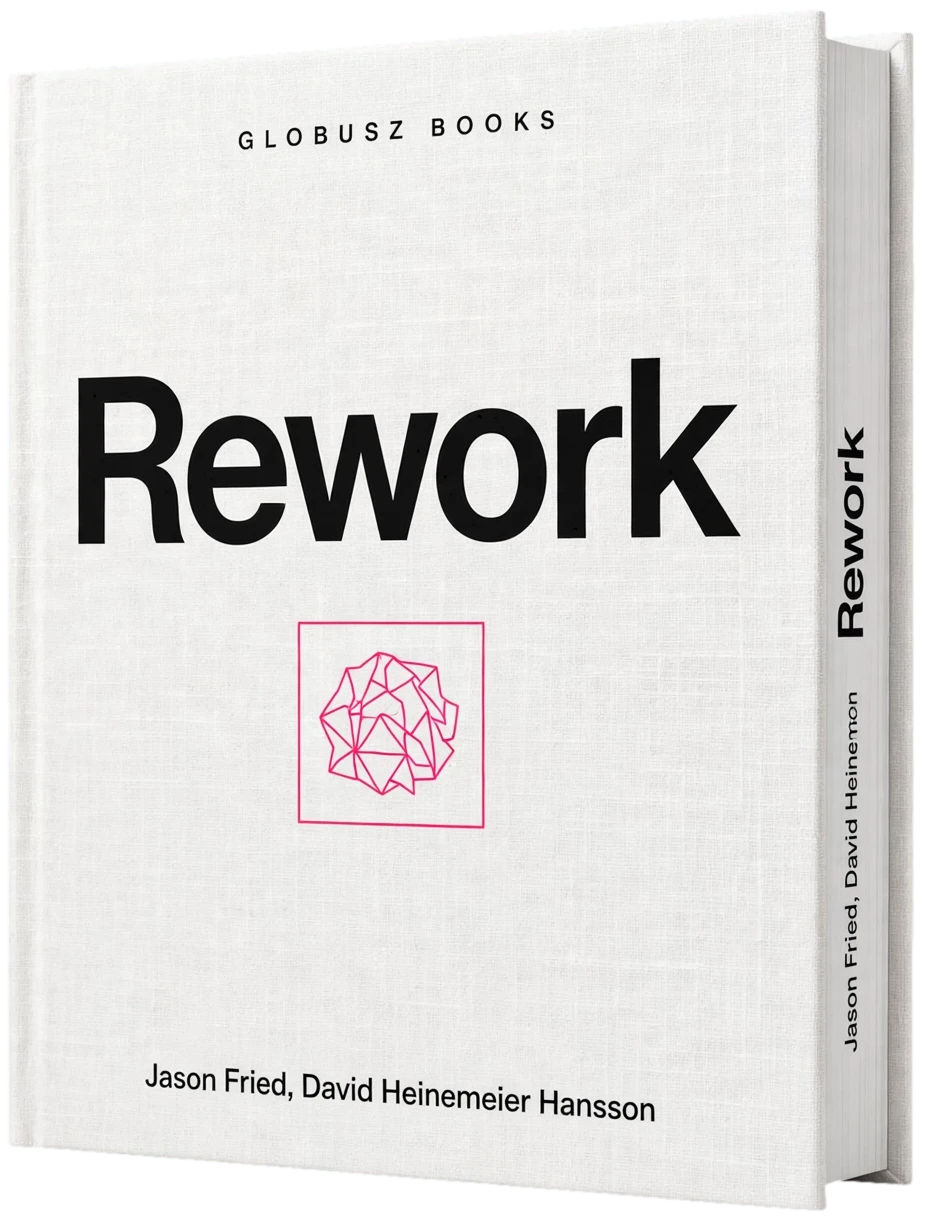
Rework: Change the Way You Work Forever by Jason Fried & David Heinemeier Hansson — Summary & Review
Jason Fried & David Heinemeier Hansson · English
“Rework” flips the script on traditional business advice by cutting through the noise and focusing on what actually gets results. It’s a sharp, no-nonsense guide from the founders of Basecamp who ditched endless meetings and rigid plans to build a successful company. Ready to rethink how work really works?
Worth reading
The short version: “Rework” isn’t about reinventing the wheel; it’s about ditching the unnecessary baggage that slows you down. It reminds you that work doesn’t have to be complicated, meetings don’t have to suck, and that sometimes less really is more. If you want to cut through the noise and get things done on your own terms, it’s worth a look.
Stefan's verdict: Worth considering for Entrepreneurs and startup founders looking for a no-nonsense approach to building a business.; less useful if Executives in large corporations dealing with complex regulatory environments and large teams..
3 min review517 wordsOriginal book: Introductory
EntrepreneurshipProductivityWork CultureBusiness StrategyStartup Mindset
Globusz Books summary
What the book is about
“Rework” by Jason Fried and David Heinemeier Hansson is the kind of book that sneaks up on you and makes you rethink everything you thought you knew about work and business. These two guys built Basecamp, a software company that thrived without drowning in endless meetings, massive funding rounds, or bloated plans. Their secret? Toss out the traditional playbook and embrace a lean, no-nonsense approach.
The central idea here is simple yet radical: forget long-term, rigid plans. Planning, they say, is mostly guessing anyway. Instead, focus on what you can do right now. This isn’t about reckless improvisation but about staying flexible and adapting fast. If you spend weeks crafting the perfect business plan, you’re probably wasting time on details that will change anyway.
Another fresh angle is how they treat constraints. Limited resources aren’t a curse; they’re a spark for creativity. When you have less, you focus more. You stop chasing shiny distractions and put your energy into what really matters. This mindset flips the usual “more is better” mantra on its head and encourages you to strip your work down to essentials.
Then there’s their take on perfectionism. Instead of polishing a product endlessly behind closed doors, ship early and ship often. This iterative approach lets you learn from real users and improve in ways you couldn’t predict from a conference room. It’s a call to action: done beats perfect, every time.
Growth? Not necessarily. Fried and Hansson challenge the idea that bigger is always better. They champion small, sustainable businesses that don’t burn out chasing venture capital or rapid expansion. Profitability and focus beat vanity metrics and hype.
And if you hate meetings as much as most sane people do, you’ll love their blunt dismissal of them. Meetings, especially the pointless kind, are productivity killers. They promote asynchronous communication and respect for deep work time. The glorification of overwork and the hustle culture? They call it out as nonsense that leads to burnout, not brilliance.
This book is a collection of short essays, each a quick punch of insight. It’s not a step-by-step guide but a mindset shift. The tone is conversational, sometimes sarcastic, and refreshingly honest. It’s like having a friend who’s been through the startup trenches telling you what actually works.
Of course, this isn’t a one-size-fits-all manual. The advice skews toward small, agile tech startups. If you’re running a big manufacturing plant or navigating heavy regulations, some ideas might feel too simplistic or idealistic. But even then, the core principles about cutting the crap and focusing on real work have value.
In the broader context, “Rework” arrived when the traditional corporate world was already looking tired, and startup culture was booming. It gave a voice to the growing crowd who wanted to work smarter, not harder, and who were skeptical of business dogma.
If you’re fed up with the usual business advice that sounds like it was written by someone who’s never actually done the work, “Rework” offers a breath of fresh air. It’s not about magic formulas but about questioning assumptions and getting down to what really moves the needle.
Beyond the summary
What might this book awaken in you?
“Rework” isn’t about reinventing the wheel; it’s about ditching the unnecessary baggage that slows you down. It reminds you that work doesn’t have to be complicated, meetings don’t have to suck, and that sometimes less really is more. If you want to cut through the noise and get things done on your own terms, it’s worth a look.
Before you commit
Why you might read this
“Rework” flips the script on traditional business advice by cutting through the noise and focusing on what actually gets results. It’s a sharp, no-nonsense guide from the founders of Basecamp who ditched endless meetings and rigid plans to build a successful company. Ready to rethink how work really works?
Spoiler sensitivity: lowThis is a nonfiction summary.
Themes worth noticing
Simplicity Over Complexity
The book champions stripping away unnecessary processes, plans, and meetings to focus on what actually moves the needle.
Agility and Flexibility
Encourages adapting quickly to change rather than clinging to rigid long-term plans.
Sustainable Work Culture
Pushes back against hustle culture and glorification of overwork, promoting balanced productivity.
Challenging Conventional Wisdom
Questions traditional business norms around growth, planning, and workplace habits.
Key ideas, explained
Planning Is Mostly Guessing
Long-term business plans are often elaborate guesses about the future. Instead of wasting time on them, focus on short-term, flexible goals that you can adjust as you learn more.
Constraints Fuel Creativity
Having limited resources forces you to prioritize and innovate. Scarcity isn’t a handicap but a tool to cut through distractions and focus on what truly matters.
Ship Early, Ship Often
Perfectionism slows you down. Get your product or idea out there quickly, learn from real feedback, and improve iteratively instead of waiting for a flawless launch.
Small, Sustainable Growth Beats Big, Risky Growth
Chasing rapid expansion can lead to burnout and loss of control. Staying small and profitable often leads to a healthier, longer-lasting business.
Kill Pointless Meetings and Reject Overwork
Unnecessary meetings waste time and kill focus. Likewise, glorifying overwork doesn’t make you productive — it just makes you tired and less effective.
How to Use This Book in Real Life
Focus on What You Can Do Today
Instead of drafting a year-long plan, set clear, achievable goals for the next week or month. Adjust as you go based on what actually happens.
Use Constraints to Your Advantage
If you’re short on budget or staff, embrace it. Prioritize ruthlessly and innovate within those limits rather than wishing for a magic wand.
Ship Minimum Viable Products Quickly
Don’t wait for your product to be perfect. Launch a basic version, gather user feedback, and iterate fast to improve.
Say No to Meetings That Don’t Matter
Question every meeting invite. If the outcome can be achieved through email or a quick chat, skip the meeting and save your focus.
Prioritize Sustainable Work Habits
Avoid glorifying 80-hour workweeks. Aim for consistent, focused work instead of burnout-fueled bursts.
What the book does especially well
- Offers refreshingly blunt, practical advice that cuts through business jargon and hype.
- Easy to digest with short, punchy essays that fit into busy schedules.
- Challenges outdated business norms and encourages readers to rethink their approach.
- Draws from real-world experience of building a successful company without traditional corporate baggage.
Where the book gets shaky
- Advice is heavily skewed towards small, tech-oriented startups and may not translate well to large or regulated industries.
- Some ideas oversimplify complex business realities, potentially misleading readers in nuanced scenarios.
- The casual tone and brevity might leave readers wanting more detailed guidance on implementation.
Questions to carry with you
- What would happen if I stopped planning so far ahead and focused on what I can do right now?
- How can I use my limitations as a creative advantage instead of a setback?
- Am I spending time on meetings and tasks that don’t actually move my work forward?
- Is the pursuit of growth making my business healthier or just bigger and more complicated?
- Am I sacrificing sustainable work habits for the illusion of productivity?
The bottom line
“Rework” isn’t about reinventing the wheel; it’s about ditching the unnecessary baggage that slows you down. It reminds you that work doesn’t have to be complicated, meetings don’t have to suck, and that sometimes less really is more. If you want to cut through the noise and get things done on your own terms, it’s worth a look.
Reader feedback
Was this summary useful?
Rate the Globusz summary of Rework: Change the Way You Work Forever, not the book itself.
Loading reader ratings…
Explore the theme
More books about courage
Continue the journey
Read the original when you are ready.
The full book delivers a treasure trove of bite-sized insights that challenge nearly every assumption about work and business. Beyond this summary, you get the authors’ dry wit, real-world stories, and a conversational tone that makes the advice stick. It’s a quick read but one that’s packed with practical wisdom you can apply immediately. If you’re ready to question the status quo and embrace a simpler, smarter way of working, the full book will give you plenty of fuel for that journey.
Read the original if: you want the evidence, stories, examples, nuance, and full argument in the author's own voice.
The summary may be enough if: you only need the central framework or want to decide whether this book suits you.
Is this worth your time if you…?
Entrepreneurs and startup founders looking for a no-nonsense approach to building a business.
Found an error or outdated detail? Contact Stefan with a correction.