Human-reviewed summary and review
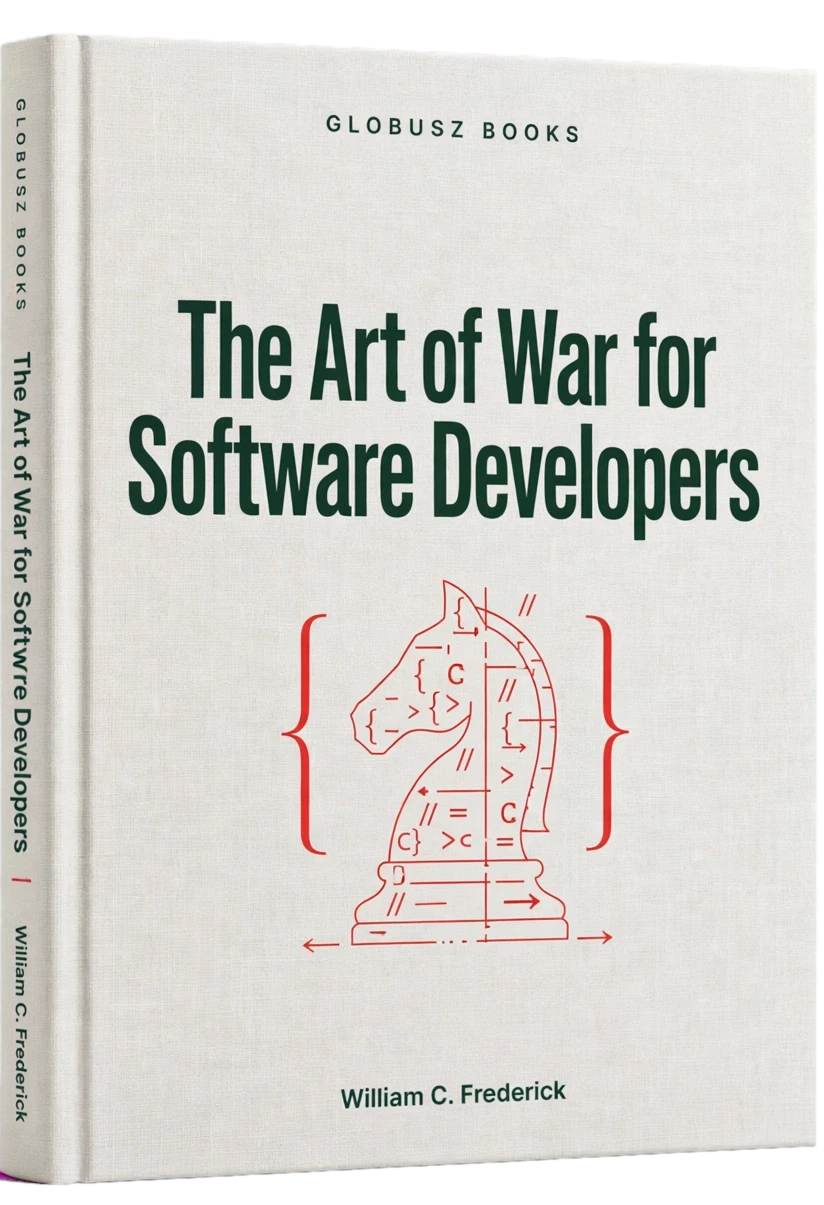
The Art of War for Software Developers by William C. Frederick — Summary & Review
William C. Frederick · English
Software development isn’t a battlefield, but William C. Frederick insists it’s close enough to borrow some ancient war wisdom. He takes Sun Tzu’s classic tactics and tries to shoehorn them into the messy, unpredictable world of coding, deadlines, and office politics. The result? A strategic lens on software projects that’s part military manual, part developer’s playbook—with a dash of skeptical practicality.
Read the summary first
The short version: Frederick’s book isn’t a magic bullet for software project woes. It’s a thoughtful nudge to think strategically, stay flexible, and value your team’s dynamics. The military metaphor can feel a bit stretched, but the core ideas about preparation, adaptability, and knowing your context are solid reminders. If you’re tired of buzzword bingo and want a practical, human take on managing software work, this is worth a look.
Stefan's verdict: Worth considering for Software developers and managers looking for fresh ways to think about project strategy.; less useful if Readers seeking detailed, technical project management frameworks or methodologies..
3 min review543 wordsOriginal book: Introductory
Project managementTeam leadershipStrategic thinkingSoftware developmentCommunication
Globusz Books summary
What the book is about
William C. Frederick’s "The Art of War for Software Developers" is an ambitious attempt to translate the ancient military strategies of Sun Tzu into the language of software development. At first glance, this might sound like a stretch. After all, software projects are rarely about life-or-death battles. But Frederick argues that many challenges software teams face—conflicting priorities, shifting requirements, tight deadlines, and competing market forces—share enough DNA with military campaigns to make the comparison worthwhile.
The core of Frederick’s book revolves around applying strategic thinking to software projects. He stresses that every successful project starts with clear objectives and thorough planning. Like a general studying terrain before a battle, developers and managers need to understand the technical environment, market conditions, and team capabilities before charging ahead. This isn’t just about drawing flowcharts or writing specs; it’s about strategic preparation to avoid costly surprises.
But Frederick is no fan of rigid plans. Adaptability is king. Software projects are famously unpredictable, with requirements that morph and technologies that evolve mid-stream. Borrowing from Sun Tzu’s emphasis on flexibility, the book encourages teams to stay nimble, pivot quickly, and respond to new information without losing sight of the overall goal. This is less about chaos and more about controlled improvisation.
Team dynamics get a spotlight, too. Frederick points out that no strategy survives without people who can execute it—and that means communication, trust, and cohesion matter as much as any technical skill. He draws parallels between military units and software teams, reminding us that even the best-laid plans fall apart if the team isn’t aligned or if information is siloed.
Competitive analysis rounds out the picture. Just as generals study enemy forces, developers and product managers need to understand their market competitors and user expectations. Frederick suggests that a sharp awareness of the “enemy” landscape can guide better decisions, whether it’s choosing technologies, prioritizing features, or timing releases.
Throughout the book, Frederick peppers in historical military examples alongside contemporary software anecdotes, making the abstract principles feel more grounded. He doesn’t claim that every military tactic applies perfectly, but he uses these stories to highlight the mindset shifts necessary for better project outcomes.
That said, the book isn’t without its flaws. At times, the military analogies feel stretched thin, glossing over the nuanced realities of software development. Some readers might find the coverage broad but shallow—touching on many topics without diving deep enough to satisfy specialists. And if you’re looking for hardcore technical guidance or detailed project management frameworks, this isn’t your manual.
Still, Frederick’s writing is engaging and accessible. He avoids jargon and keeps the tone conversational, which makes the book a breezy read for developers and managers alike. It’s a thoughtful nudge to think beyond code and schedules, to see software projects as strategic endeavors shaped by people, context, and competition.
If you’re tired of the usual software management advice that sounds like corporate pep talks or overhyped methodologies, this book offers a refreshingly pragmatic perspective. It won’t solve every project headache, but it might help you spot where your team’s strategy is weak or where you’re fighting battles with the wrong mindset. In a world where software projects often feel like wars of attrition, a little ancient wisdom might just be the edge you need.
Beyond the summary
What might this book awaken in you?
Frederick’s book isn’t a magic bullet for software project woes. It’s a thoughtful nudge to think strategically, stay flexible, and value your team’s dynamics. The military metaphor can feel a bit stretched, but the core ideas about preparation, adaptability, and knowing your context are solid reminders. If you’re tired of buzzword bingo and want a practical, human take on managing software work, this is worth a look.
Before you commit
Why you might read this
Software development isn’t a battlefield, but William C. Frederick insists it’s close enough to borrow some ancient war wisdom. He takes Sun Tzu’s classic tactics and tries to shoehorn them into the messy, unpredictable world of coding, deadlines, and office politics. The result? A strategic lens on software projects that’s part military manual, part developer’s playbook—with a dash of skeptical practicality.
Spoiler sensitivity: lowThis is a nonfiction summary.
Themes worth noticing
Strategy Over Tactics
Success depends on the big picture—clear goals and preparation—more than just day-to-day technical tasks.
Adaptability in Uncertainty
The ability to pivot and respond to change is more valuable than rigid plans.
Human Element in Technology
People, communication, and trust are as crucial as code and tools.
Competitive Awareness
Understanding your market and competitors informs smarter project decisions.
Key ideas, explained
Strategic Planning Is Non-Negotiable
Frederick insists that successful software projects start with clear goals and thorough preparation. Understanding the technical environment, business context, and team strengths upfront sets the stage for smoother execution—much like a general studying the battlefield before committing troops.
Flexibility Beats Rigidity Every Time
No plan survives first contact with reality in software development. The book champions adaptability—being ready to pivot when requirements change or unforeseen challenges arise—while keeping the bigger picture in focus.
People and Communication Are the Real Weapons
Even the best strategy falters without a cohesive team. Frederick draws on military insights to stress that trust, clear communication, and team alignment are crucial to turning plans into results.
Know Your Market Like You Know Your Enemy
Just as commanders study enemy forces, software teams benefit from understanding competitors and market conditions. This awareness informs smarter decisions about features, technologies, and timing.
Ancient Wisdom Can Illuminate Modern Messiness—With Caution
The book shows that while ancient military principles aren’t a perfect fit, they offer a useful mindset for tackling complexity and uncertainty in software projects—if you’re willing to look past some forced analogies.
How to Use This Book in Real Life
Start Every Project with a Clear, Shared Objective
Don’t rush into coding or meetings without everyone agreeing on what success looks like. Use upfront planning to map out the terrain—technical, business, and team-related.
Build Flexibility into Your Workflow
Expect change. Design your processes and schedules so you can adapt quickly without derailing the entire project.
Invest in Team Communication and Trust
Regular check-ins, open feedback, and transparency aren’t just HR buzzwords—they’re your project’s lifeline.
Keep an Eye on the Competition and Market Trends
Don’t get tunnel vision. Understanding where your product sits in the wider market can guide smarter feature choices and timing.
Use Military Strategy as a Metaphor, Not a Blueprint
Take the lessons with a grain of salt. Adapt the mindset, not the exact tactics.
What the book does especially well
- Translates abstract military strategy into practical software development insights.
- Balances big-picture strategic thinking with team-level dynamics.
- Engaging, accessible writing avoids jargon and corporate fluff.
- Offers a fresh perspective amid a sea of generic project management books.
Where the book gets shaky
- Military analogies sometimes feel forced or oversimplified for complex software realities.
- Covers many topics without deep dives, which may frustrate readers seeking detailed guidance.
- Lacks technical or process-specific tools that some developers or managers might expect.
- Some ideas may feel dated or less relevant in fast-evolving software environments.
Questions to carry with you
- Are we treating this software project like a battle that needs strategy, or just a checklist to complete?
- How flexible is our plan when the unexpected shows up?
- Is our team aligned and communicating well enough to execute our strategy?
- Do we really understand our market and competition before making key decisions?
- Are we using metaphors to guide us, or are they blinding us to the real challenges?
The bottom line
Frederick’s book isn’t a magic bullet for software project woes. It’s a thoughtful nudge to think strategically, stay flexible, and value your team’s dynamics. The military metaphor can feel a bit stretched, but the core ideas about preparation, adaptability, and knowing your context are solid reminders. If you’re tired of buzzword bingo and want a practical, human take on managing software work, this is worth a look.
If this idea interested you
Related books, with a reason to choose each one.
A different perspective on the same shelfEthical Machines: The Role of Ethics in AI and Machine LearningWendell Wallach
Machines are getting smarter, but do they know right from wrong? Wendell Wallach isn’t just asking if AI can make ethical decisions—he’s digging into how and whether we should even let them try. This isn’t sci-fi daydreaming; it’s a messy, urgent conversation about the moral code behind the algorithms shaping our lives.
Read the summary & review →A useful follow-up for exploring the subject furtherProgramming PearlsJon BentleyProgramming isn’t just banging out lines of code until something works. Jon Bentley’s "Programming Pearls" throws you right into the gritty reality that good programming is about crafting clever, efficient solutions—pearls, if you will—out of messy problems. This book doesn’t hand you magic spells or trendy frameworks; it forces you to think like a problem solver, not a code monkey.
Read the summary & review →Another entry point into this categoryAlgorithms UnlockedThomas H. CormenAlgorithms are the unseen engines running everything from your GPS to your online bank. But if the word makes you glaze over, Thomas Cormen’s 'Algorithms Unlocked' is your chance to get the basics without drowning in jargon. It’s like having a patient friend explain what’s under the hood of your smartphone — minus the tech-speak and with just enough grit to keep it real.
Read the summary & review →Explore the theme
More books about starting over
Technology relevance
Still relevant in 2026: Yes — foundational
Offers enduring strategic principles relevant to modern software project management and collaboration.
Topics: software engineering · project management · team dynamics
Continue the journey
Read the original when you are ready.
The full book fleshes out the parallels between ancient military strategy and software development with stories, examples, and a conversational tone that keeps things engaging. It offers a broader range of scenarios and practical tips than this summary can capture. If you want to explore how classical strategic thinking can reshape your approach to software projects—beyond just the usual agile or waterfall debates—Frederick’s work provides a unique lens. It’s not a how-to guide for coding or tools, but a mindset shift that might help you avoid common traps and lead your team more thoughtfully.
Read the original if: you want the evidence, stories, examples, nuance, and full argument in the author's own voice.
The summary may be enough if: you only need the central framework or want to decide whether this book suits you.
Is this worth your time if you…?
Software developers and managers looking for fresh ways to think about project strategy.
Found an error or outdated detail? Contact Stefan with a correction.