Human-reviewed summary and review
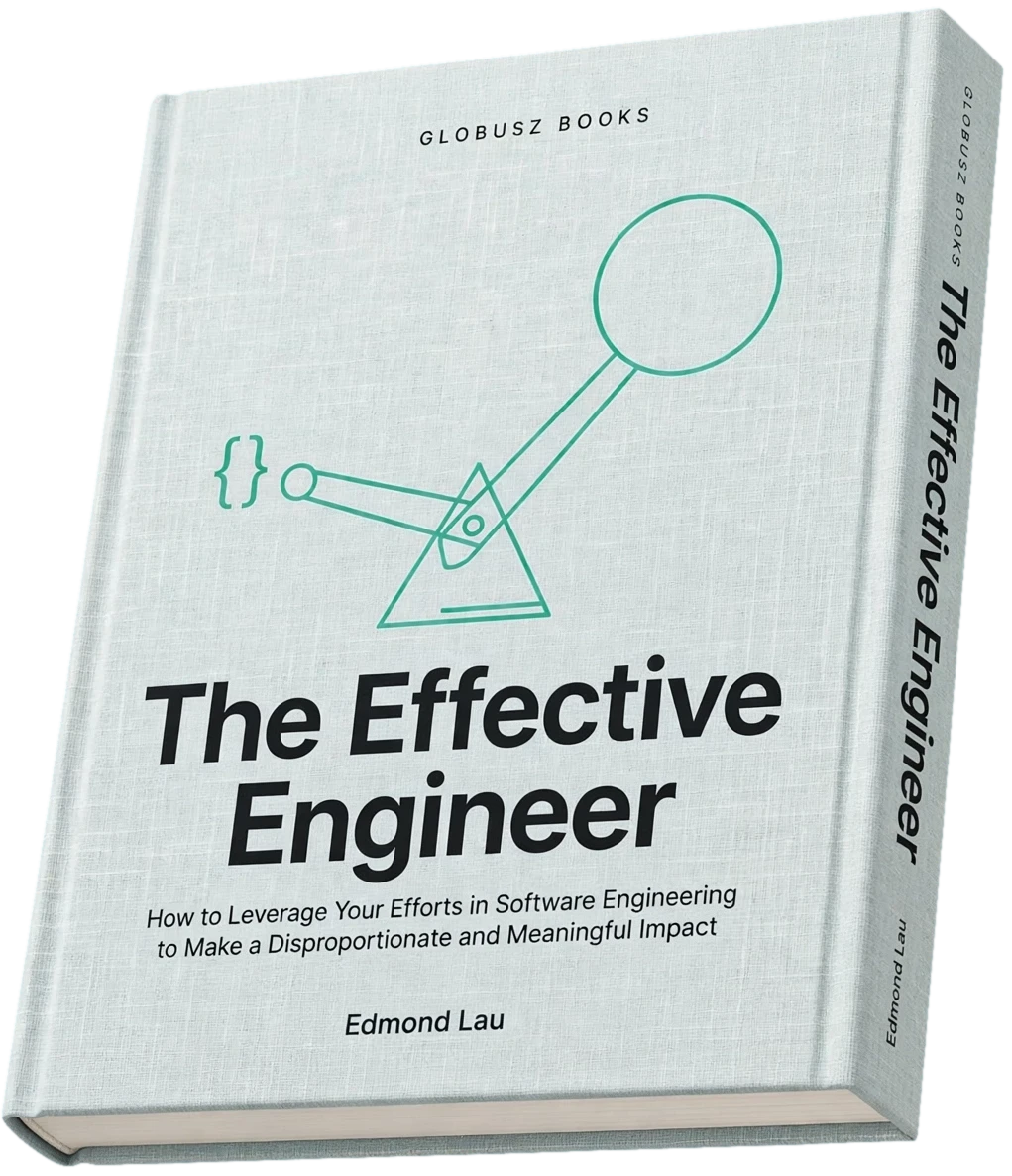
The Effective Engineer: How to Leverage Your Efforts in Software Engineering to Make a Disproportionate and Meaningful Impact by Edmond Lau — Summary & Review
Edmond Lau · English
Software engineers often burn hours grinding through tasks that barely move the needle. Edmond Lau’s 'The Effective Engineer' cuts through the noise to show how to work smarter, not harder — by chasing the few things that truly matter. It’s less about doing more and more about doing what actually counts, even if that means ignoring the endless to-do list screaming for your attention.
Read the summary first
The short version: Being an effective engineer isn’t about doing more stuff; it’s about doing the right stuff. Edmond Lau’s book cuts through the noise to remind us that impact comes from focus, learning, and smart execution — not endless grinding. It’s a useful reality check for anyone stuck in the hamster wheel of busywork, offering a way out that doesn’t involve magic or miracles, just good judgment and a bit of discipline.
Stefan's verdict: Worth considering for Software engineers who want to make a bigger impact without burning out.; less useful if Engineers working outside of tech or startups who want highly industry-specific advice..
3 min review569 wordsOriginal book: Introductory
career focusproductivityskill developmentwork prioritizationsoftware engineering
Globusz Books summary
What the book is about
In the world of software engineering, busyness is a badge of honor, but impact? That’s the real currency. Edmond Lau’s 'The Effective Engineer' isn’t about hacks or shortcuts; it’s about ruthlessly prioritizing the work that yields the biggest results. Lau’s central point is simple but often overlooked: not all tasks are created equal. Some deliver outsized value compared to the time they consume. If you want to be effective, you need to find those tasks and obsess over them.
Lau draws from interviews with engineering leaders at big tech players like Google and Facebook, but he doesn’t just throw around name-dropping to impress. Instead, he distills their messy, real-world advice into a framework that anyone can grasp and apply. The core idea is focusing on high-leverage activities — the kind of work that multiplies your impact rather than just adding to your hours.
This means learning how to say no, or at least 'not now,' to the flood of distractions and low-value tasks. It also means continuously sharpening your skills because learning compounds. Small, consistent improvements in coding, design, or communication can pay off big time down the road. Lau is clear that being effective isn’t about working yourself to the bone; it’s about working smart and investing in yourself and your team for the long haul.
Prioritization plays a starring role here. Lau urges engineers to regularly assess what’s truly important — not just urgent — and align their efforts with the company’s goals and their own growth path. This is a refreshing antidote to the typical engineer’s tendency to focus on what’s easiest or most fun, which often leads nowhere.
Execution isn’t ignored either. Lau advocates for rapid iteration and early validation, so you find out quickly if you’re on the right track or wasting time. This pragmatic approach helps avoid the classic trap of polishing the wrong feature or building something nobody wants.
Another key point is balancing quality with pragmatism. Writing perfect code is a noble goal, but if it slows you down or piles on operational overhead, it can backfire. Lau encourages engineers to consider the long-term value of their work, including how it affects maintenance and team dynamics. Sustainable success means thinking beyond just the code you write today.
What makes this book particularly useful is its grounding in reality. Lau doesn’t pretend the tech world is a utopia of perfect processes and supportive managers. He acknowledges the messy, often chaotic environment engineers deal with and offers advice that’s doable, not just inspirational.
That said, the book’s Silicon Valley startup vibe might feel a bit narrow at times. If you’re working in a different industry or a more traditional tech environment, some examples and assumptions may not land perfectly. Also, Lau’s occasional personal stories can feel a bit like a humblebrag, which might put off some readers looking for a purely practical manual.
Still, the core ideas about focusing on what matters, learning constantly, and executing efficiently are timeless. They apply whether you’re a fresh grad trying to avoid burnout or a seasoned engineer aiming to lead without micromanaging.
In a sea of productivity advice that often feels like it’s written by people who never actually wrote a line of code, 'The Effective Engineer' stands out as a no-nonsense guide. It doesn’t promise overnight miracles, but it does offer a clear path to making your work matter more — without working yourself ragged.
Beyond the summary
What might this book awaken in you?
Being an effective engineer isn’t about doing more stuff; it’s about doing the right stuff. Edmond Lau’s book cuts through the noise to remind us that impact comes from focus, learning, and smart execution — not endless grinding. It’s a useful reality check for anyone stuck in the hamster wheel of busywork, offering a way out that doesn’t involve magic or miracles, just good judgment and a bit of discipline.
Before you commit
Why you might read this
Software engineers often burn hours grinding through tasks that barely move the needle. Edmond Lau’s 'The Effective Engineer' cuts through the noise to show how to work smarter, not harder — by chasing the few things that truly matter. It’s less about doing more and more about doing what actually counts, even if that means ignoring the endless to-do list screaming for your attention.
Spoiler sensitivity: lowThis is a nonfiction summary.
Themes worth noticing
Leverage Over Busyness
The book challenges the idea that working longer or harder equals success, instead promoting strategic focus on tasks that deliver disproportionate value.
Continuous Growth
It emphasizes learning as an ongoing process that compounds, making small investments in skill development crucial for long-term effectiveness.
Pragmatic Execution
Speed, feedback, and iteration are prioritized over perfectionism to ensure work stays aligned with real needs and delivers timely value.
Sustainable Impact
The book encourages balancing immediate results with long-term maintainability and team health for lasting success.
Key ideas, explained
High-Leverage Activities Are Your Best Friend
Not all tasks are equal. Focusing on the few activities that deliver outsized results is how you multiply your impact. It’s about quality, not quantity, of effort.
Continuous Learning Pays Off, Slowly but Surely
Improving your skills bit by bit compounds over time. Even small daily gains in coding, design, or communication stack up to major career growth.
Prioritize Ruthlessly, Align with Goals
Regularly reassess what matters most to your team and your career. Saying no to distractions and low-value work keeps you focused on what counts.
Execution Is About Speed and Feedback, Not Perfection
Ship early, test assumptions, and iterate fast. Avoid the trap of polishing the wrong thing or over-engineering before you know it’s needed.
Balance Quality with Pragmatism for Long-Term Value
Write code that’s good enough to avoid headaches but not so perfect it slows progress or burdens the team. Sustainable impact is about the future, too.
How to Use This Book in Real Life
Identify Your Highest-Impact Tasks
Spend time figuring out which tasks in your current work will create the biggest difference. Then, prioritize those over busywork.
Build a Habit of Continuous Skill Improvement
Set aside small chunks of time regularly to learn something new or deepen your expertise, knowing it adds up over months and years.
Practice Saying No or Not Now
Learn to push back on requests that don’t align with your priorities or company goals. Protect your focus like it’s your most valuable resource.
Embrace Rapid Prototyping and Early Feedback
Don’t wait for perfect code. Get a working version out quickly, test it, and adjust based on real-world input.
Think Beyond Today’s Code
Consider how your work will affect maintenance, operational overhead, and your teammates down the line. Aim for sustainable solutions.
What the book does especially well
- Offers practical, no-fluff advice grounded in real engineering leadership experiences.
- Focuses on maximizing impact rather than glorifying busywork or long hours.
- Balances technical execution with mindset and career growth strategies.
- Acknowledges the messy realities of tech work instead of painting an idealistic picture.
- Provides a clear framework adaptable to engineers at different career stages.
Where the book gets shaky
- Some points get repeated across chapters, which can feel redundant.
- Personal anecdotes occasionally veer into self-promotion territory.
- Strong focus on Silicon Valley startup culture may limit relevance for other contexts.
- Technological examples and industry trends are from 2015, so some details feel dated.
- Not a quick-fix guide; requires discipline and reflection to apply effectively.
Questions to carry with you
- What tasks in my work truly move the needle versus just filling time?
- How can I build learning into my daily routine without feeling overwhelmed?
- Am I prioritizing my work in line with both my goals and my team’s needs?
- Do I tend to over-engineer or polish features before validating their value?
- How does my work affect the team and product in the long term?
The bottom line
Being an effective engineer isn’t about doing more stuff; it’s about doing the right stuff. Edmond Lau’s book cuts through the noise to remind us that impact comes from focus, learning, and smart execution — not endless grinding. It’s a useful reality check for anyone stuck in the hamster wheel of busywork, offering a way out that doesn’t involve magic or miracles, just good judgment and a bit of discipline.
If this idea interested you
Related books, with a reason to choose each one.
A different perspective on the same shelfEthical Machines: The Role of Ethics in AI and Machine LearningWendell Wallach
Machines are getting smarter, but do they know right from wrong? Wendell Wallach isn’t just asking if AI can make ethical decisions—he’s digging into how and whether we should even let them try. This isn’t sci-fi daydreaming; it’s a messy, urgent conversation about the moral code behind the algorithms shaping our lives.
Read the summary & review →A useful follow-up for exploring the subject furtherProgramming PearlsJon BentleyProgramming isn’t just banging out lines of code until something works. Jon Bentley’s "Programming Pearls" throws you right into the gritty reality that good programming is about crafting clever, efficient solutions—pearls, if you will—out of messy problems. This book doesn’t hand you magic spells or trendy frameworks; it forces you to think like a problem solver, not a code monkey.
Read the summary & review →Another entry point into this categoryAlgorithms UnlockedThomas H. CormenAlgorithms are the unseen engines running everything from your GPS to your online bank. But if the word makes you glaze over, Thomas Cormen’s 'Algorithms Unlocked' is your chance to get the basics without drowning in jargon. It’s like having a patient friend explain what’s under the hood of your smartphone — minus the tech-speak and with just enough grit to keep it real.
Read the summary & review →Explore the theme
More books about courage
Technology relevance
Still relevant in 2026: Yes
Focuses on personal and professional effectiveness in modern engineering roles.
Topics: software engineering · productivity · career development
Continue the journey
Read the original when you are ready.
The full book dives deeper into how to spot high-leverage work and offers practical tactics for shifting your mindset and habits. Lau’s interviews with seasoned engineering leaders add nuance and credibility that you won’t get from a quick summary. Plus, the book’s examples and reflections provide a richer context for applying these ideas in your own messy, imperfect work life. If you want a grounded, realistic playbook to boost your engineering impact, this is worth the read.
Read the original if: you want the evidence, stories, examples, nuance, and full argument in the author's own voice.
The summary may be enough if: you only need the central framework or want to decide whether this book suits you.
Is this worth your time if you…?
Software engineers who want to make a bigger impact without burning out.
Found an error or outdated detail? Contact Stefan with a correction.