Best Classics books — what I learned after reviewing 166+ titles
I do not think a useful classics shelf should be a parade of famous covers. Popularity tells us that a book sold well. It does not tell us whether the book is clear, honest, current, or right for the question you are trying to answer. I built this page to make that decision easier. Every summary is reviewed by a person before it appears here. I look for the central idea, the kind of reader the book may suit, and the places where the argument becomes less convincing.
The collection includes familiar titles and books that are easier to miss. I do not assume the longest, newest, or most celebrated book is automatically the best starting point. Sometimes a short introduction does more useful work than a dense classic. Sometimes an older book explains the foundation better than a fashionable new one. The point is not to collect titles for the sake of a large number. It is to give you enough context to choose without wasting an evening on promotional language.
Start with the four varied choices below if the subject is new to you. Use the themes when you know the direction but not the title. Search the complete shelf when you already have an author, question, mood, or practical problem in mind. The summaries are decision tools, not substitutes for the original books. When something looks genuinely useful, read or listen to the complete work. When it does not, move on without guilt.
My standard is simple: I try things, keep what works, and discard the nonsense. No gurus. That applies to books too. A strong book does not need hype. It should make its value clear, admit complexity, and leave you with a better question or a useful next step. Browse slowly. Compare a few summaries. Then decide which book, if any, deserves your time now.
A good way in
Start Here
Four approachable, varied places to begin if you want a strong introduction to the range of classics on Globusz.
Dovaleh Greenstein’s stand-up routine starts like any other comedy show but quickly turns into a raw, unfiltered confession. This isn’t just about jokes—it’s a painful unraveling of memory and identity on stage. Can laughter really hide the darkest truths beneath?
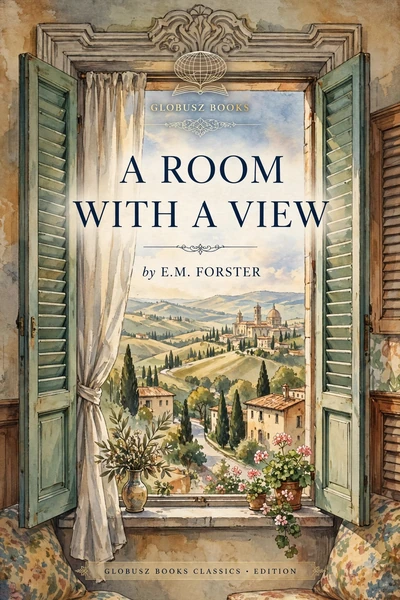
Lucy Honeychurch’s trip to Italy shakes up her buttoned-up English life, forcing her to choose between a safe, socially approved future and a messy, authentic connection. It’s a sharp look at how rigid social rules can suffocate personal freedom and desire. Can Lucy break free without losing herself?
Themes: Social Convention vs. Individual Desire · Class and Social Hierarchy
In William Faulkner’s "As I Lay Dying," a Southern family’s journey to bury their mother becomes a tangled web of grief, stubbornness, and fractured minds. Each character’s voice pulls you into their isolated struggles, making the story as much about inner chaos as the dusty roads they travel. Can a family bound by duty survive the truths death reveals?
Themes: Mortality and Death · Family and Dysfunction
In 1970s Ethiopia, a respected doctor’s clinic turns into a battleground where family loyalty, political violence, and medical ethics collide. Maaza Mengiste’s debut novel captures the raw, complicated reality of revolution through the eyes of one family caught in the crossfire. How far would you go to protect your loved ones when survival means making impossible choices?
Themes: Loyalty and Betrayal · The Human Cost of Revolution
Recurring ideas across the collection, paired with one book that offers a useful entry point.
7 summaries
Identity and Belonging
Cristo returns to Arizona hoping to reclaim his roots, only to find that identity isn’t something you can just pick up and put down. His struggle to belong spans family tensions, cultural clashes, and the harsh beauty of the Southwest. It’s a slow, thoughtful story about what it means to carry history inside you.
Daniel Deronda throws you into Victorian England’s tangled web of class, identity, and morality through two sharply different lives. One is a woman caught in the social grind, the other a man unraveling a hidden heritage. It’s not your usual period drama—this one digs into the mess beneath the surface.
Amy Tan’s “The Bonesetter’s Daughter” unravels a Chinese-American mother-daughter relationship tangled in dementia, secrets, and cultural clashes. Ruth struggles to connect with her fading mother while uncovering a hidden past that refuses to stay buried. This is a raw, messy look at how memory and identity collide across generations.
Pietr the Latvian dives into the murky world of a conman who slips through every net, challenging the idea of fixed identity. Inspector Maigret isn’t your flashy detective; he’s a patient, empathetic observer of people’s messy truths. This isn’t about neat puzzles—it’s about the shadows where justice blurs and humans hide their real faces.
Inspector Maigret series (first book: Pietr the Latvian)Georges Simenon
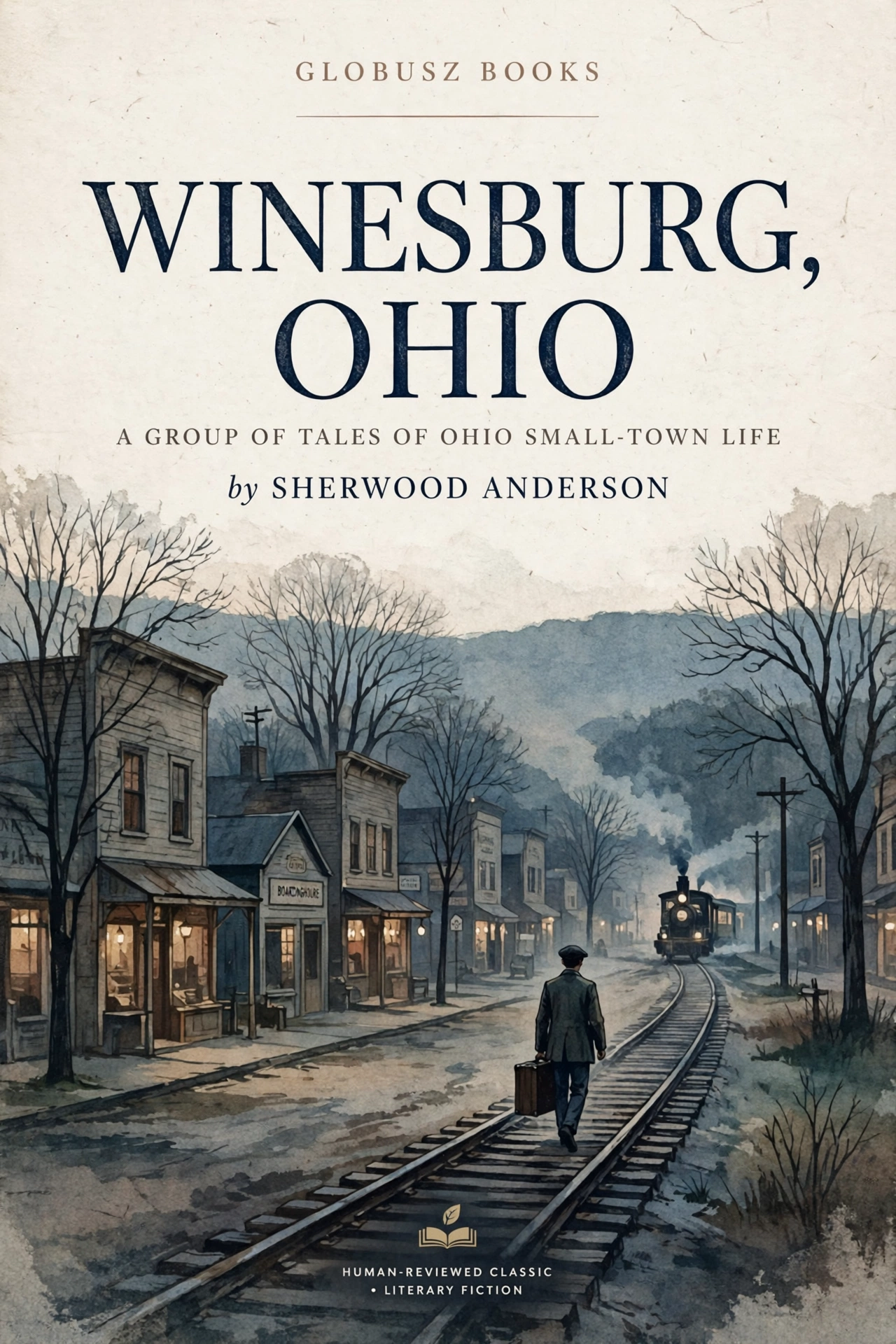
In Winesburg, Ohio, a small town’s quiet surface hides a tangle of lonely, secret lives. George Willard, a young reporter, observes neighbors struggling to express what’s trapped inside. This collection of stories reveals how isolation isn’t just being alone—it’s feeling unseen even among familiar faces.
Themes: Isolation and Loneliness · Desire and Unfulfilled Dreams
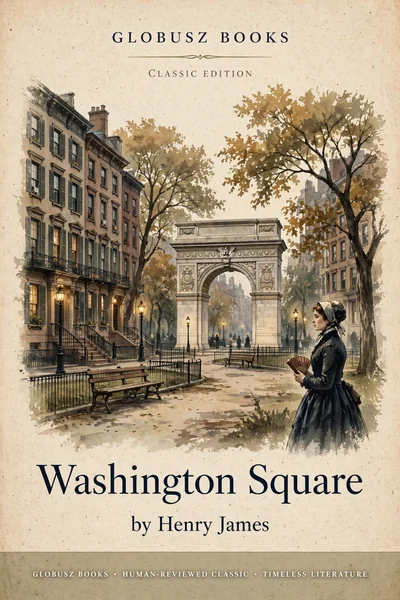
Catherine Sloper’s life is shaped by her father’s cold skepticism and a suitor’s questionable intentions in 19th-century New York. This isn’t a simple love story—it’s a sharp look at family control, social expectations, and a woman’s struggle for independence. Can Catherine find her own voice when everyone else doubts her worth?
Themes: Family Control and Skepticism · Love Entwined with Money and Class
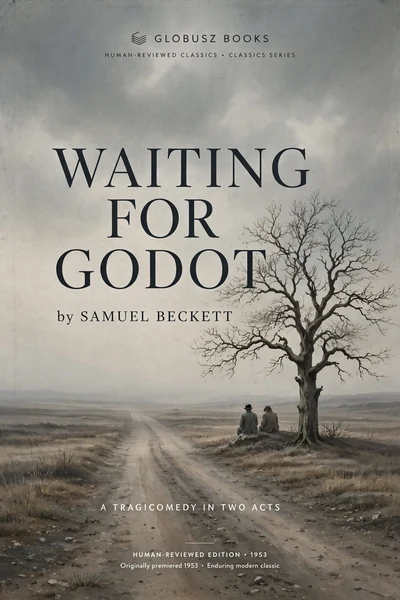
In Waiting for Godot, two tramps kill time on a barren road, endlessly waiting for someone who never shows. Their aimless chatter and repetitive routines capture the absurdity of existence and the restless search for meaning. What does it say about life when waiting becomes the main event?
Themes: Existential Absurdity · The Human Condition
In "Vuelo nocturno," pilots risk their lives flying night routes through the Andes while a relentless director demands progress at any cost. This novel strips away the romance of flight to reveal the harsh realities behind early aviation and the human sacrifices it demanded. How far should duty push a person when the stakes are life and death?
Themes: Sacrifice and Duty · Human Vulnerability vs. Technological Progress